
Dominica Travel Guide 8 Ways to Save: The Caribbean feels like the ultimate splurge to most folks, but I’m here to tell you it’s dead simple to crack-if you know where to look. This Dominica Travel Guide is built around exactly that idea. Dominica, in particular, is a place where the math actually works in your favor.
I’ve sat on Batibou Beach with a cold local beer that cost me $2, watching cruise-ship folks pay $15 for the same view from a fancy lounge chair. That moment sums up my entire travel philosophy. A rich life doesn’t require a rich wallet. It requires making choices the average tourist never thinks to make-hopping on a government bus for under $2 instead of a cab, eating freshly caught fish from a street vendor for $10, and hiking to a 200-foot waterfall that costs absolutely nothing to see.
This isn’t a Dominica Travel Guide about deprivation. It’s the playbook I’ve used to unlock authentic adventures that barely scratch the surface of a typical all-inclusive budget. Below are the exact strategies that let us linger longer, eat better, and connect deeper-without ever blowing past our daily limit.
- How to find a clean, safe bed for $40 a night (and when a resort room drops to $80)
- The street-food stalls where $10 buys a massive plate of the freshest catch you’ll ever taste
- Why an “H” on a bus windshield is your ticket to exploring the whole island for pocket change
- Free trails, waterfalls, and cultural reserves that beat any pricey excursion
- The shoulder-season window where prices plummet and the beaches are empty
I’ve made the mistakes so you don’t have to. A little local knowledge-like agreeing on a cab fare before you get in, or knowing that tap water is technically safe but tastes a bit off-saves you more than cash. It saves you stress. Let’s get into the eight specific ways my wife and I stretch our $1,540 monthly income across this stunning island, starting with the single biggest expense you can slash right now: where you sleep.
How to Lock Down a Great Place to Stay Without Blowing Your Budget
Budget accommodation in Dominica doesn’t fluctuate much by season, which means booking early is non-negotiable. I’ve watched too many travelers arrive assuming they’d find a cheap guesthouse on the fly. They end up paying resort prices because every $40 room was snapped up months ago. The island’s secret is out – smart travelers book ahead.
Dominica’s budget stays fall into three clear tiers. Eco-lodges near Rosalie run about $40 a night. Basic guesthouses hit the same price point.
Move up to a smarter budget hotel and you’re looking at $80 a night for a double. That’s not cheap, but it’s half what you’d pay on Antigua or Grand Cayman.
Here’s where it gets interesting. Resort hotels swing wildly – $180 to $200 a night during peak season, then plummet to $80 to $100 in the off-peak months. That’s the same ballpark as a budget hotel.
And resorts throw in extras that budget places never will: complimentary bike hire, snorkel gear, sometimes even meals. I’d take that trade any day.
Pro tip: Research resort pricing for the exact dates you plan to visit before booking a budget option. You might find a $90 resort room with free bikes and snorkel gear – cheaper than a $40 guesthouse once you factor in rental costs.
Airbnb deserves its own mention. Dominica has solid self-catered apartments listed, and prices hover around the same range as budget hotels. The real value isn’t the rate – it’s the host.
A well-reviewed host hands you bus timetables, points you toward cheap local eateries, and tells you which tour operators actually negotiate on price. That local knowledge saves you money every single day and is exactly the kind of practical advice worth looking for in a Dominica Travel Guide.
When you’re cooking your own meals from groceries that cost $60 to $80 a week per person, you’ve already cut your daily spend in half before you leave the apartment.
I’ll say this bluntly: a sea view usually isn’t worth the premium on a budget stay. Spend $20 more per night to be close to things – 500 meters from the coast, not five miles inland. That extra cash keeps you off pricey cabs and late-night bus scrambles.
Location matters more than the view you’ll only enjoy for ten minutes with a coffee. The bus stops running by 7 p.m., and you don’t want to learn that lesson the hard way.
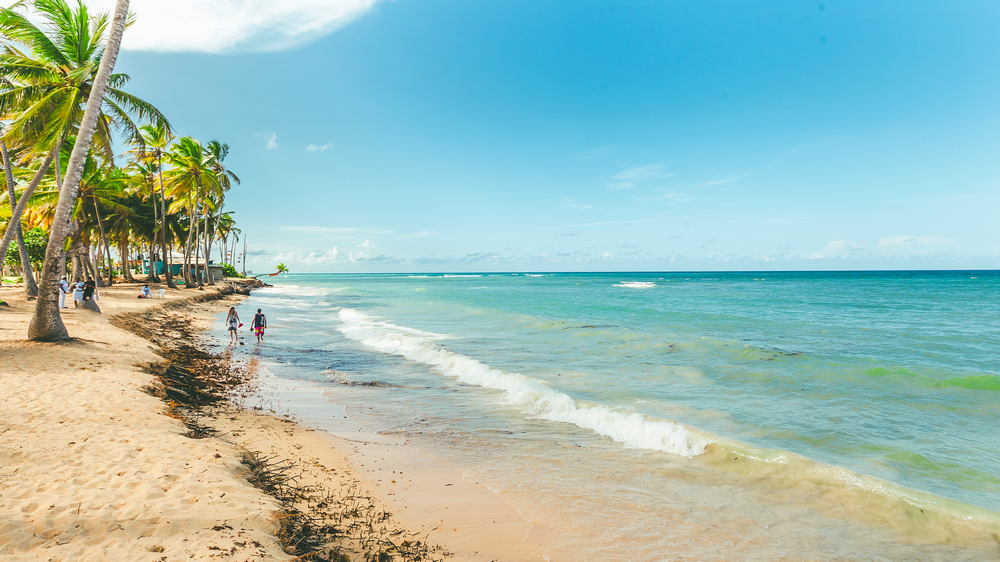
My daily food budget in Dominica rarely tops $30, and I eat like royalty. That’s not an exaggeration. The secret is stepping away from tourist menus and into the rhythm of how locals actually eat. I’ve made my share of mistakes-my first trip, I dropped $50 on a forgettable beachfront meal before discovering the grill shack two streets back selling the same fresh fish for $10. Lesson learned, and learned hard.
The Street Food Math
Street food isn’t just cheaper here. It’s often better. A large portion of locally caught fish, grilled while you wait with fried plantains and rice, runs about $10.
Compare that to a cafeteria-style meal at $20 per person with a drink, or upscale dining starting at $50 and climbing fast. The math speaks for itself.
I look for the stalls with the longest line of locals-never the ones near cruise-ship docks. Those prices inflate instantly. The best grilled snapper I’ve ever eaten came from a corrugated tin shack in Rousseau with no sign and three plastic tables. $9. That meal alone reinforced why I travel the way I do.
Self-Catering: $60–80 Feeds You for a Week – Dominica Travel Guide Ideas
Building on the accommodation strategies from the previous section, having even basic kitchen access changes everything. A week’s groceries runs $60–$80 per person. Markets near the interior towns sell produce at half the coastal prices.
I stock up on plantains, yuca, fresh mangoes, and eggs. Breakfast and lunch are usually self-prepared; dinner I spend on street food or a modest restaurant.
This pattern keeps my average daily food and drink outlay right around $30. Some days less, some a touch more when I’m feeling fancy. For anyone using this Dominica Travel Guide to plan a longer stay, self-catering is one of the easiest ways to keep the overall trip budget under control.
Drink Local or Pay Double
Dominican rum and beer are dramatically cheaper than imported anything. A Presidente beer stays around $2 all day, every day. Happy hour promotions are common, but honestly, the base prices are already a happy hour.
Cocktails tell a different story-$5 from a side-street bar versus $15+ if someone carries it to your beach chair. Same rum.
Same lime. Different zip code.
I learned to order ron del país and a soda water with lime. Costs a fraction of a branded cocktail. Tastes better too.
Tipping here is 10–15% on restaurant meals. It’s part of the culture and adds up if you eat out three times a day. Another reason I balance self-catering with street food-that tip savings alone covers my morning coffee for the week.
| Food Option | Cost (USD) |
|---|---|
| Street food (local fish, large portion) | $10 |
| Cafeteria-style meal with drink | $20 |
| Upscale restaurant (starting price) | $50 |
| Weekly groceries per person | $60–80 |
| Local beer (any time of day) | $2 |
| Side-street cocktail | $5 |
| Beachfront cocktail | $15+ |
| Suggested daily food/drink budget | $30 |
Getting around efficiently is the next puzzle piece in this Dominica Travel Guide-transport costs can quietly bleed a budget faster than overpriced cocktails, but that’s a topic for another section.
The 80/20 rule applies here – 80% of my transport in Dominica cost me under $2 a ride. The remaining 20% required more planning but delivered outsized freedom. Once you understand the quirks of getting around, the island shrinks and your budget breathes.
I learned this the hard way. My first visit, I fumbled with cabs and overpaid. Now, I move like a local – slowly, cheaply, and with a cold Presidente in my bag for the ride.
The Government Bus: Your $2 Island Pass
Look for the white minibuses with a red “H” sign in the windshield. They run from roughly 6 am to 7 pm along all major roads. Flag one down anywhere – if there’s space, they stop.
Short hops rarely exceed $2. A long haul from Roseau to Portsmouth might hit $6. That’s absurd value and one of the most useful transportation tricks in this Dominica Travel Guide.
The catch? They stop early.
Miss that 7 pm window and you’re negotiating with a cab driver in the dark.
I treat bus hours as a hard constraint. Plan your return by 6:30 pm and you’ll never sweat it.
Discover Free and Low-Cost Dominica Activities
I once spent $120 on a single whale-watching tour in Dominica before realizing I could have haggled it down to half that. The sting of overpaying taught me something crucial-this island rewards the curious, not the cash-flush. Most visitors bleed money on packaged excursions while the real treasures sit there, completely free, waiting for anyone willing to walk a trail or ask a local. That’s one of the most important lessons in this Dominica Travel Guide.
Dominica isn’t Antigua. It doesn’t hand you polished experiences on a silver platter. And that’s precisely why budget travelers thrive here.
Hikes That Cost Nothing and Deliver Everything
The Waitukubuli Trail stretches across the entire country-covering the full length takes two to three weeks if you’re ambitious. I’ve tackled sections of it over multiple visits, and it remains one of the best free experiences in the entire Caribbean. You pass through rainforest, cliffside viewpoints, and waterfalls that tour operators would charge $50 to show you.
Middleham Falls is my go-to recommendation for anyone who wants drama without the danger. The 200-foot cascade is reached by an easy-to-moderate trail, entry costs nothing, and the cool pool at the base is a shock to the system. Two hours round-trip. No guide required.
Then there’s Boiling Lake-a completely different beast. Six hours each way through rough volcanic terrain. I attempted it at 73 and regretted nothing, though my knees filed a formal complaint. It’s free, but fitness isn’t optional here.
Freshwater Lake sits at the island’s highest point and is absurdly accessible. Kayaks are available for hire, and the views from the middle are breathtaking. Cruise ship crowds swarm mid-morning, so I go at dawn or dusk when the water turns to glass and the only sound is your own paddle.
Pro tip: The Trafalgar and Victoria Falls make excellent alternatives when Middleham gets crowded during peak season-both are free and just as stunning.
Beaches, Birds, and Bargaining
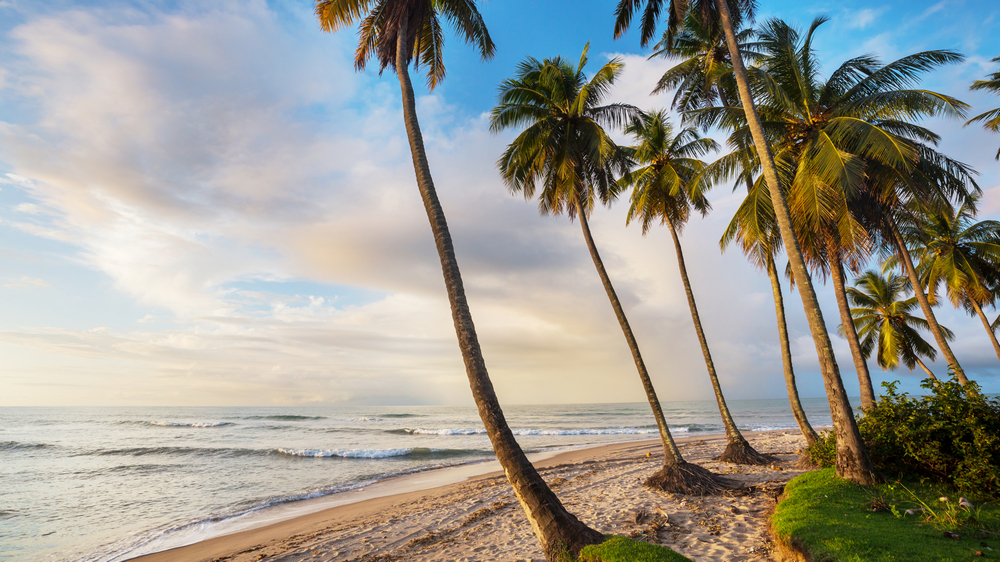
Batibou Beach looks like a film set from a pirate movie-palm fringes, shallow turquoise water, and a beach bar serving cheap cocktails. Entry is free. The bar’s rum punch costs less than anything you’d find in Roseau.
Birders should head straight to the Syndicate Nature Trail. You’ll want a guide here-they supply binoculars and know exactly where the rare species hide. A full-day group tour runs about $30–$40 per person, which is exceptional value given the expertise you’re borrowing.
Whale-watching tours operate year-round thanks to Dominica’s resident sperm-whale population. Most trips last three to four hours and nearly guarantee sightings of whales and dolphins. Haggle. Prices are negotiable, especially for groups or during shoulder season. Don’t accept the first quote.
Towns and History on Foot
Spend a full day wandering Roseau. The cathedral, colonial buildings, and Botanic Gardens are all free. Hike up to Morne Bruce for panoramic views over what’s really just a small, slow-moving town. The markets near the cruise terminal are overpriced-walk a few blocks inland and prices drop. It’s exactly the kind of inexpensive experience I wanted to emphasize in this Dominica Travel Guide.
Cabrits National Park holds a well-preserved 18th-century British garrison, compact trails, and some of the best picnic spots on the island. Free entry, quiet, and thick with history most visitors never bother to see.
The Kalinago Reserve offers something rarer than any beach-a living history village where tours explain how ancient traditions survive alongside the darker chapters of colonial rule. It’s not free, but the cost is modest and the perspective it provides on the island’s soul is invaluable.
Skip the diving and sailing unless you’ve set aside dedicated funds-both start around $100 per session. For everyone else, Dominica’s real luxury isn’t priced. It’s laced through the trails, the empty beaches at sunrise, and the quiet knowing that you saw something most people paid triple to miss.
A $50 snorkel kit pays for itself in two and a half rentals. That’s the math that shapes my packing list for Dominica. Rental shops along the coast charge around $20 per outing for mask, fins, and snorkel. Bring your own, and you’ve recouped the cost by your third swim. After that, every reef session is pure savings.
Now that you are reading the , what’s next? Let’s learn more about other trips in the surrounding areas.
Budget Aruba Travel Guide – 8 Ways to Save More Money
Budget Bahamas Travel Guide – 8 Ways to Save More Money
Budget Barbados Travel Guide – 8 Ways to Save More Money
Budget Bermuda Travel Guide – 8 Ways to Save More Money
Budget Cuba Travel Guide – 8 Ways to Save More Money
Gear That Earns Its Place in Your Bag
Snorkel gear isn’t the only item where ownership beats renting. Many hotels here toss in freebies that budget travelers overlook. Complimentary bike hire is surprisingly common-especially at eco-lodges near Rosalie and properties in the north.
Without it, daily rentals hover around $25. That’s lunch and a couple of beers every day you pedal instead.
I scan hotel listings for these perks before booking. Bikes unlock beaches and trailheads without burning cash on taxis. It’s the simplest way to stretch a morning’s exploration into an afternoon, no meter running.
Water is trickier. Tap water is technically safe but tastes “off”-many visitors blame it for stomach complaints. I pack a filtered water bottle and refill wherever I stay. Buying bottled water daily is a leak in any budget, and single-use plastic piles up fast on an island with limited recycling.
What Not to Pack-and Why
Leave the heavy hiking boots. Trail runners grip the muddy paths to Middleham Falls just fine and dry faster. Skip the full-size toiletries; guesthouses and Airbnbs rarely stock them, but a small bar of solid shampoo lasts weeks and won’t spill.
Pack a dry bag. Sudden downpours are routine, and a soaked phone kills a day of navigation and photos.
I learned the hard way that reef-safe sunscreen costs triple here. Buy it before you fly. The same goes for insect repellent-the no-see-ums at dusk are relentless, and local markup stings almost as much.
Smart packing is advance planning you don’t have to repeat daily. Each item you own instead of rent chips away at that $80–100 daily target. The savings feel small in the moment but compound across a week or two. What you don’t spend on gear is cash left for the rum tasting or the spontaneous boat ride that makes a trip memorable. The question isn’t what fits in your suitcase-it’s what your suitcase can earn you once you land.
Hotel prices in Dominica can swing by 50% or more depending on when you visit. A standard double room that costs $180–200 per night during peak season often drops to $80–100 just a couple of months later. That difference alone can reshape your entire trip budget, making timing one of the most valuable considerations in this Dominica Travel Guide.
I track these cycles obsessively. The island’s pricing rhythm is predictable once you understand the three distinct windows.
Peak Season: February Through Late June
This is when most travelers arrive. The weather is reliably sunny with only occasional short downpours. Beaches look like postcards. The trade-off is significant crowds and the highest prices of the year across accommodation, tours, and even some restaurants.
I don’t avoid peak season entirely. But I book far ahead for it-budget-friendly rooms vanish early because they simply don’t fluctuate much in price and fill on reputation alone.
Hurricane Season: July Through September
Many businesses close entirely during these months. The rain is persistent even in a quieter storm year. I’ve seen guesthouses shuttered and tour operators take extended breaks. If you come now, confirm your accommodation is actually operational before arriving.
Prices bottom out, but so does availability. It’s a gamble I rarely recommend unless flexibility is your only currency.
Watch Out: Some hotels advertise hurricane-season rates but cancel bookings last-minute if occupancy drops too low. Call ahead and get written confirmation.
Shoulder Season: October Through December
This is my window. Businesses reopen for the World Creole Fair in October, and the island wakes up without the peak-season price tags. Rooms that were $200 in March hover around $100 now. Tours operate but with smaller groups, which means more negotiating room on price.
Independence Day on November 3rd adds cultural richness without the holiday price surge-just avoid the festive December weeks when rates spike again. Managing local currency becomes easier too, since you’re spending less overall and can stretch those Eastern Caribbean dollars further.
October through mid-December delivers the same trails, the same reefs, and the same rum at a fraction of the cost. That’s not a compromise. That’s just math.
Master Dominica Currency and Daily Budgeting
The East Caribbean Dollar powers every transaction on Dominica, but US dollars lurk everywhere as the island’s silent second currency. The official rate pegs EC$ 2.7 to 1 USD, and both are accepted at hotels, restaurants, and tour operators. But here’s the catch – ATMs dispense EC$ almost exclusively. Stick to local dollars for everyday spending because that’s what you’ll get back as change anyway. Handing over a US $20 for a $5 snack creates unnecessary mental math and you’ll lose a few cents on every conversion.
I learned this the hard way at a roadside fruit stand near Rosalie. My crisp US bills earned only blank stares and a wildly unfavorable exchange rate calculated on the vendor’s fingers. Now I hit an ATM on day one and withdraw enough EC$ to cover small purchases for several days. Cards are widely accepted at mid-range hotels and sit-down restaurants, so save them for those bigger charges.
Tipping: The Quiet Budget Leak
Tipping isn’t optional here – it’s woven into the service culture. Restaurants expect 10-15% on the bill, and that adds up fast if you eat out daily. Cab drivers won’t demand a specific amount, but rounding up the fare or leaving small change keeps things smooth.
Some tour guides request around $5 per half-day as a gratuity. Factor these into your daily number upfront rather than treating them as surprises.
| Budget LevelDaily SpendWhat It Covers | ||
|---|---|---|
| Budget Traveler | $80–100 | Basic guesthouse or hostel, street food and self-catered meals, one activity or excursion fund |
| Mid-Range | ~$160 | Quality double room ($120/night split), dinner out ($50), averaged excursion costs ($50/day allocated) |
| Luxury | $250–300 | Top hotels ($200/night+), fine dining ($75+), specialist tours ($70), airport transfers, car hire |
The average visitor burns through about $200 per day total. That’s fine if you’ve got it. But I’ve found $80–100 per day funds a perfectly rich experience when you mix self-catering groceries – a week’s worth runs just $60–80 per person – with street food and the occasional canteen meal.
Street-caught fish plates go for as little as $10, cheaper than a fast-food burger back home. Cafeteria-style spots charge around $20 with a drink.
The upscale places start at $50 and climb sharply.
Where Your Money Should Go
Accommodation is the largest variable. Book early – budget-friendly beds in guesthouses and eco-lodges near Rosalie hover around $40 per night, but they fill months ahead. Hotels add genuine value with complimentary bike hire and snorkel gear, eliminating separate rental costs.
That changes the math considerably. A $120 hotel room that throws in $25/day in freebies suddenly competes with a bare $80 option.
Drink smart. Local rum and beer cost a fraction of imported brands. Happy hour beers at $2 are common, and side-street cocktails start at $5. Beachfront bars will charge triple.
Remember, Dominica has a quiet haggling culture around tours, especially for groups. Listed prices aren’t always final. And staying healthy – with filtered water and solid insurance that covers adventure sports – protects this carefully planned budget from catastrophic derailment. Those small decisions are what make the budget strategies in this Dominica Travel Guide work over an entire trip.
Dominica Travel Guide FAQ
1. What makes Dominica different from other Caribbean islands?
A Dominica Travel Guide should start with what makes the island unusual: Dominica is more about rainforests, waterfalls, volcanic landscapes, hiking, and wild coastline than sprawling resort beaches. Travelers come here for places such as boiling lakes, mountain trails, natural hot springs, and swimming holes tucked into dense tropical forest. A Dominica Travel Guide is especially useful for visitors who want an active Caribbean trip where exploring the interior of the island is just as important as spending time beside the sea.
2. Should a Dominica Travel Guide recommend renting a car or using local transportation?
A good Dominica Travel Guide should explain that transportation can become part of the adventure. Rental cars provide the most freedom for reaching waterfalls, trailheads, small villages, and less-visited coastal areas, but Dominica’s narrow and winding mountain roads require careful driving. Local minibuses can be inexpensive and provide a much more local experience, although schedules and routes may not always suit sightseeing plans. For travelers with limited time, combining local transportation with occasional taxis or guided excursions can work surprisingly well.
3. What should a Dominica Travel Guide tell visitors about exploring beyond Roseau?
Any useful Dominica Travel Guide should encourage travelers to spend plenty of time outside Roseau. Small communities, mountain roads, rainforest trails, waterfalls, fishing villages, and dramatic coastal viewpoints reveal a completely different side of the island. Exploring beyond the capital also creates opportunities to eat at small local restaurants, visit roadside fruit stands, and discover places that aren’t built primarily around tourism. Dominica rewards travelers who leave extra room in their itinerary for unexpected stops rather than racing between famous attractions.
4. Why should a Dominica Travel Guide include activities besides beaches?
Unlike many Caribbean destinations, the island’s biggest attractions aren’t necessarily its beaches. A Dominica Travel Guide should devote plenty of space to hiking, snorkeling, waterfalls, hot springs, whale watching, canyoning, and exploring the rainforest. Dominica’s volcanic terrain has created an unusually varied landscape where you might hike through dense jungle in the morning and soak in naturally heated mineral water later that afternoon. Travelers who arrive expecting only a traditional beach vacation can easily overlook what makes the island special.
5. How can a Dominica Travel Guide help travelers experience the island on a smaller budget?
A budget-focused Dominica Travel Guide should look beyond resorts and packaged excursions. Staying in locally owned guesthouses, eating at neighborhood restaurants, using minibuses when practical, shopping at markets, and choosing independent outdoor activities can significantly reduce daily costs. Many memorable experiences involve exploring scenery rather than paying for elaborate attractions. With thoughtful planning, Dominica Travel Guide ideas can help travelers put more of their budget toward the experiences that matter most while still enjoying one of the Caribbean’s most distinctive islands.
vidIQ
