Texas boondocking offers a vast and varied experience, reflecting the Lone Star State’s diverse landscapes and cultural richness. Boondocking, or camping without hookups, in Texas allows adventurers to explore everything from its sprawling deserts to its lush forests and coastal beaches.
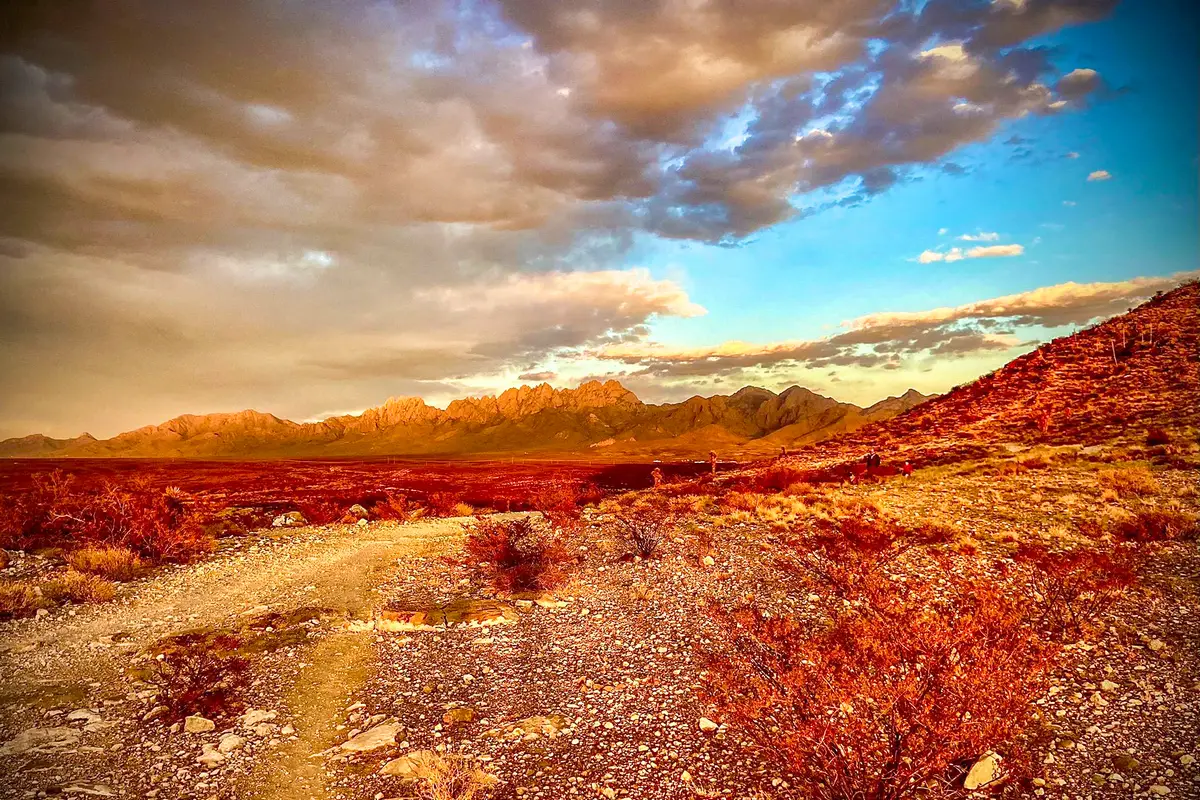
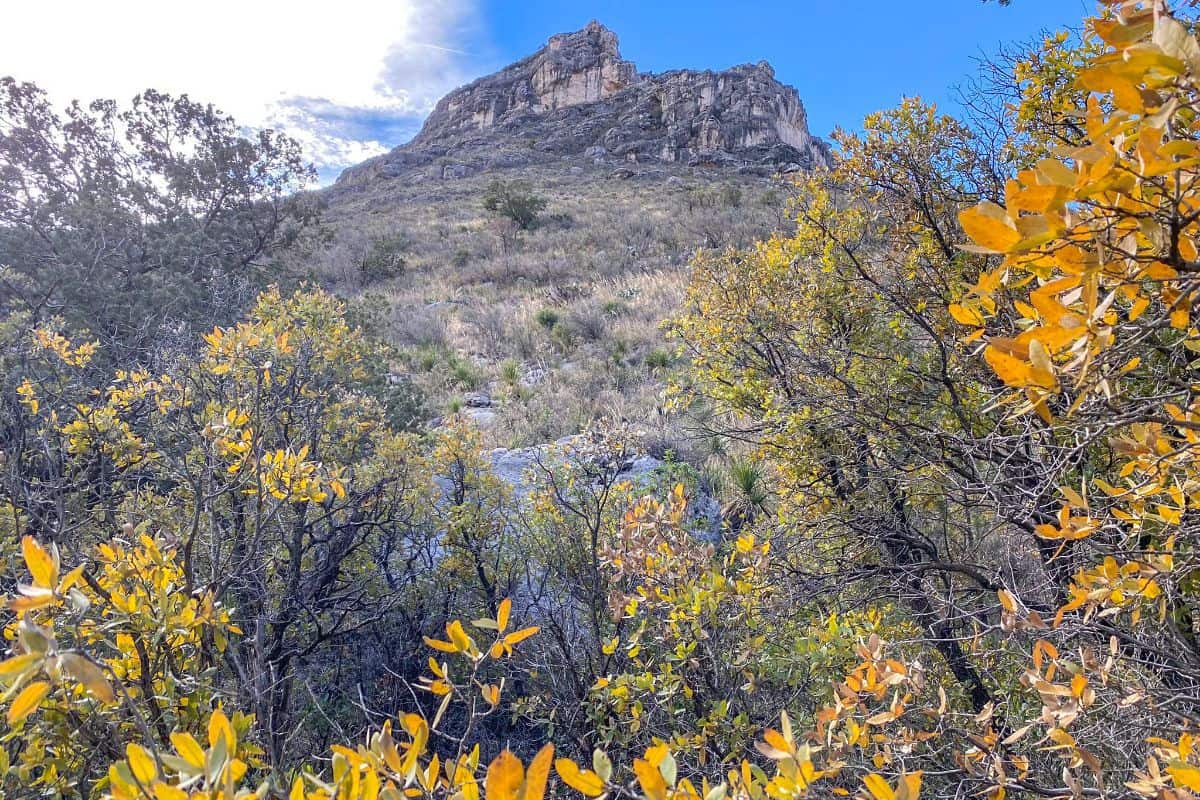
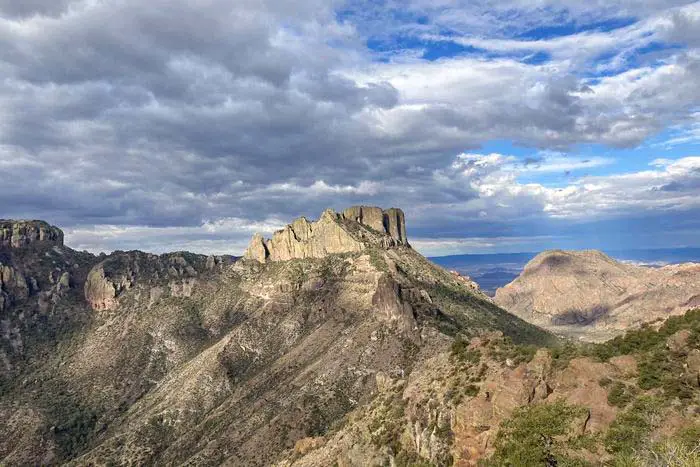
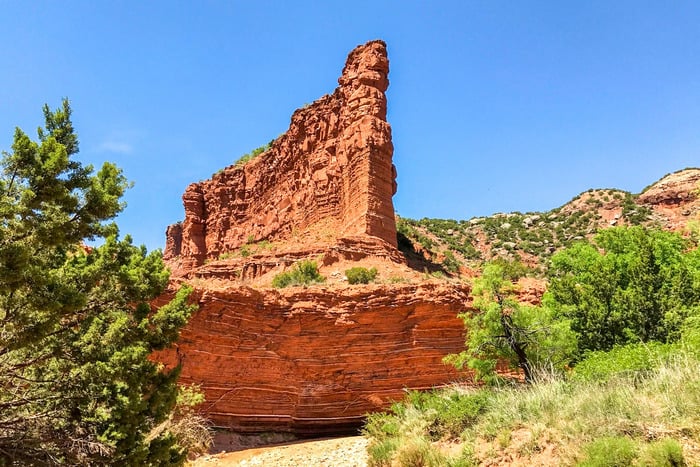
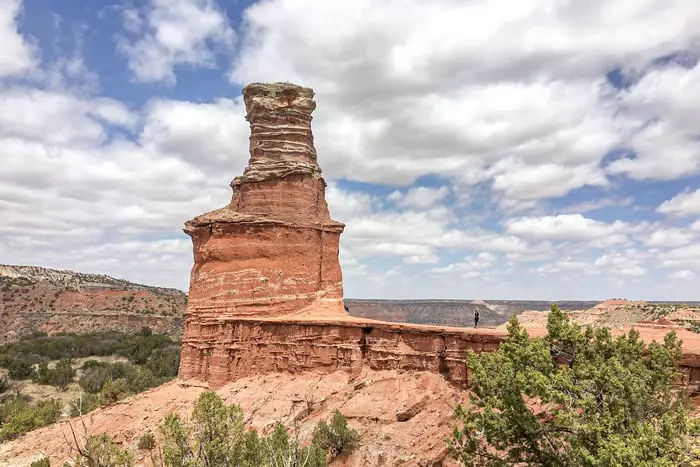
In West Texas, boondocking brings the rugged beauty of the desert landscapes to the forefront. Areas like Big Bend National Park and the Davis Mountains provide a dramatic backdrop for Texas boondocking. This region is perfect for those seeking solitude and an up-close experience with the state’s unique geology and star-filled night skies.
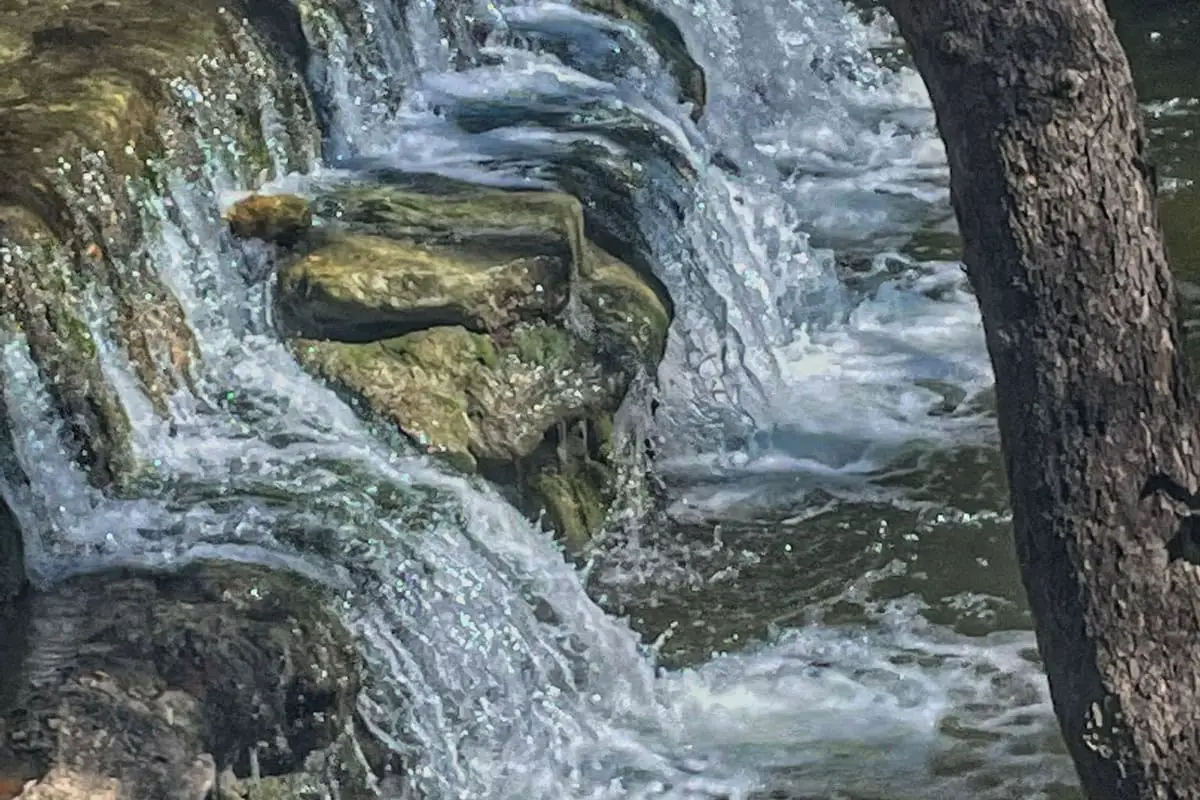
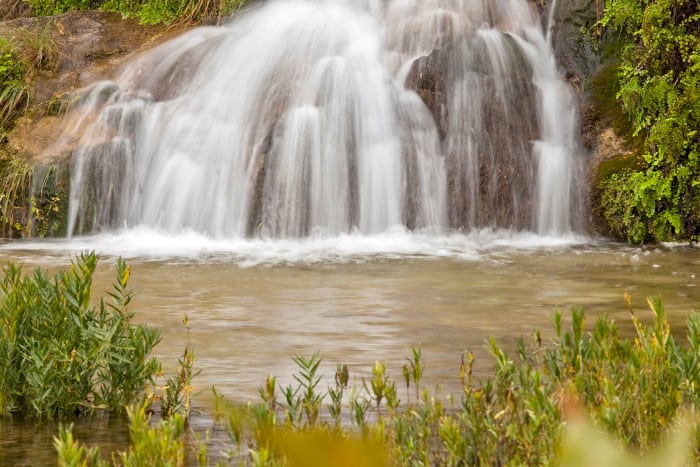
Central Texas boondocking offers a different but equally captivating experience. The Hill Country, with its rolling hills, spring-fed rivers, and wildflower-covered fields, is ideal for a scenic and serene boondocking experience. Campers in Central Texas can enjoy activities like swimming in natural pools, exploring small-town charm, and experiencing the region’s rich history and culture.
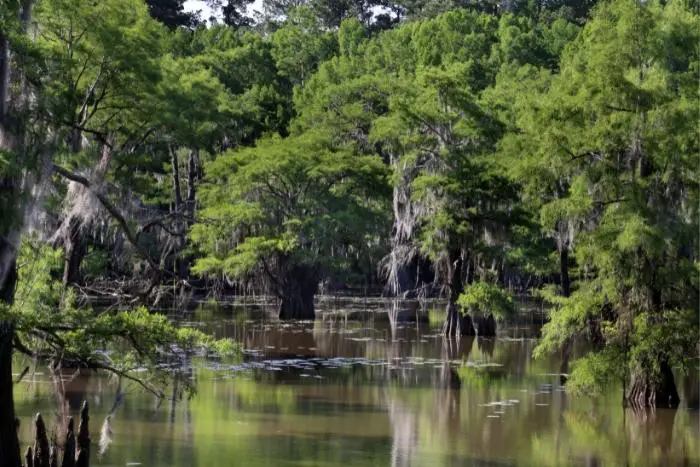
East Texas boondocking presents a lush, forested environment, vastly different from the state’s western regions. The Piney Woods, with their tall pine trees and numerous lakes and rivers, offer a peaceful retreat in nature. Texas boondocking in this area allows for activities like fishing, canoeing, and hiking through dense woodlands, providing a tranquil escape from the bustling city life.
When planning a Texas boondocking trip, it’s important to be well-prepared. Due to the state’s large size and varied climate, carrying sufficient supplies, including water, food, and emergency gear, is essential. Practicing Leave No Trace principles and respecting the local wildlife and ecosystems are crucial for preserving these natural areas.
In conclusion, Texas boondocking offers a diverse and enriching way to experience the state’s varied landscapes and cultural heritage. Whether camping in the deserts of West Texas, the rolling hills of Central Texas, or the forests of East Texas, the state’s boondocking sites provide a unique and memorable outdoor experience for all types of adventurers.