
This spinach and artichoke pasta recipe is for you if you want a comforting dinner that tastes like classic spinach-artichoke dip but comes together on the stovetop in about 30 minutes. I’ll show you a spinach and artichoke pasta recipe that uses pantry staples, fresh spinach, and tender artichokes to deliver big flavor with minimal fuss. This spinach and artichoke pasta recipe works for busy nights and delivers a creamy, satisfying meal.
Small swaps—like using cream cheese or adding pasta water for a silky sauce—let you control texture and richness in your spinach and artichoke pasta recipe. I’ll also give quick tips to make this spinach and artichoke pasta recipe ahead or customize it with proteins or breadcrumbs. Expect straightforward instructions for this spinach and artichoke pasta recipe, plus simple hacks to keep cleanup easy and the results reliably creamy.
Key Takeaways
- A quick, creamy spinach and artichoke pasta recipe delivers dip-like flavor in a weeknight-ready main.
- Simple ingredient choices and technique control sauce texture and richness in your spinach and artichoke pasta recipe.
- This spinach and artichoke pasta recipe adapts easily for make-ahead meals, added proteins, or crunchy toppings.
Description and Historical Information
The spinach and artichoke pasta recipe transforms the flavors of classic spinach artichoke dip into a savory, creamy pasta dish. You combine tender pasta, chopped artichoke hearts, wilted spinach, cream or cream cheese, and plenty of grated cheese for a rich mouthfeel in this spinach and artichoke pasta recipe. This dish adapts a communal appetizer into an all-in-one entrée without sacrificing core flavors.
The spinach and artichoke pasta recipe traces its lineage to the popular spinach artichoke dip found on American menus since the late 20th century. Chefs and home cooks started tossing that dip with pasta to create a heartier, family-style meal, as seen in recipes from outlets like The New York Times and Food Network. The artichoke’s briny bite and spinach’s mild earthiness balance creamy, salty cheeses and a hint of garlic or red pepper flakes in this spinach and artichoke pasta recipe.
Regional and stylistic variations abound in the spinach and artichoke pasta recipe. Some versions use heavy cream and Parmesan for a silky sauce, while lighter recipes swap Greek yogurt or reduced-fat cheese. Others add breadcrumbs or panko for texture before baking. Explore both stovetop and baked versions of the spinach and artichoke pasta recipe to find your preferred texture. For inspiration and technique, check out a tested baked recipe at NYT Cooking.
Key Insights from the Dish
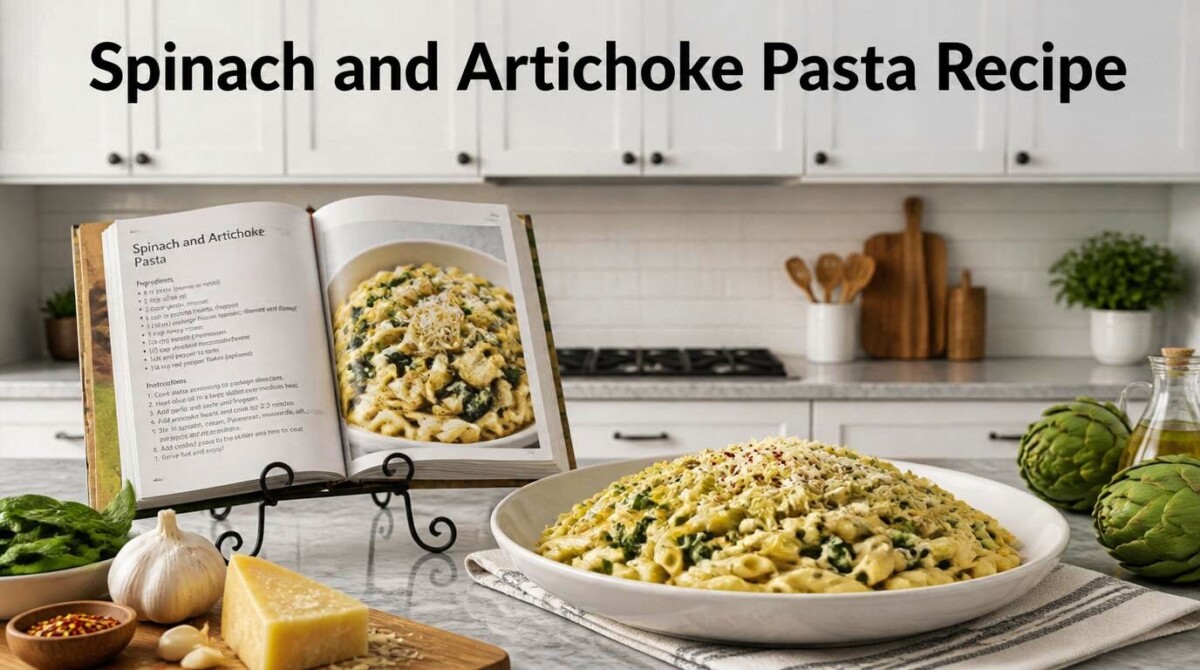
Balance creaminess and brightness in your spinach and artichoke pasta recipe by using cream cheese and mozzarella for a rich base and finishing with a squeeze of lemon or extra olive oil. Marinated or canned artichoke hearts add tang and texture, contrasting with tender baby spinach and fresh spinach added at the end to preserve color. Olive oil, used at the start to sauté garlic and soften artichokes, layers flavor without excess fat.
Parmesan cheese finished into the spinach and artichoke pasta recipe gives savory umami and helps the sauce cling to noodles. To keep the spinach and artichoke pasta recipe creamy but not heavy, I use less cream cheese and bulk up the sauce with starchy pasta cooking water. This thickens the sauce naturally and keeps the spinach and artichoke pasta recipe cohesive.
The spinach and artichoke pasta recipe provides protein and calcium from cheeses, plus vitamins and fiber from spinach and artichoke hearts. Swapping part-skim mozzarella or reducing cream cheese lowers saturated fat with minimal flavor loss. Serve the spinach and artichoke pasta recipe immediately so the sauce stays glossy and the fresh spinach retains its texture. Leftovers reheat well with a splash of milk or broth to revive creaminess.
Chef’s Tips
Start your spinach and artichoke pasta with fresh garlic for the best flavor, but keep garlic powder on hand to gently boost the sauce. Mince garlic finely and add it to hot oil for just 30–45 seconds before other aromatics to avoid bitterness. When you use canned artichoke hearts, drain and pat them dry to prevent a watery sauce, and chop them coarsely for tender bites.
Use a small shallot instead of raw onion for subtle sweetness. Sauté it in extra virgin olive oil until translucent, then add garlic to build layers of flavor. To make the spinach and artichoke pasta recipe creamy without heavy cream, stir in cream cheese and a splash of pasta cooking water until smooth. The starchy water helps the sauce cling to penne or fusilli; add it gradually to control thickness.
If you use a one-pot method for your spinach and artichoke pasta recipe, cook the pasta halfway before adding spinach so it wilts evenly without overcooking. Tear fresh spinach into large pieces to wilt faster and keep a bright color. Taste as you go and adjust with salt, black pepper, and a light sprinkle of garlic powder. Finish your spinach and artichoke pasta recipe with a drizzle of extra virgin olive oil and a handful of grated mozzarella or Parmesan for salty depth.
Make-Ahead Instructions
Prepare this spinach and artichoke pasta recipe one day ahead to save time. Cook the pasta just until al dente, drain, and toss with a light drizzle of olive oil to prevent sticking. For the sauce, make it completely and cool it to room temperature before combining with the pasta. Store sauce and pasta separately in airtight containers for up to 24 hours in the refrigerator.
If you want to bake the spinach and artichoke pasta later, assemble it in a baking dish, cover tightly with foil, and refrigerate. Bake from cold at 350°F (175°C) for about 25–35 minutes, removing the foil for the last 5–10 minutes to brown the top. Check internal temperature and texture for doneness. To freeze, assemble the spinach and artichoke pasta recipe in a freezer-safe dish, wrap well, and freeze for up to 2 months. Thaw in the refrigerator overnight before baking, and add an extra 10–15 minutes to the baking time if still chilled. For quick reheating, spoon individual portions into an oven-safe dish and warm at 325°F (160°C) until bubbling, or reheat single servings in the microwave in 30–45 second intervals, stirring between bursts.
Variations
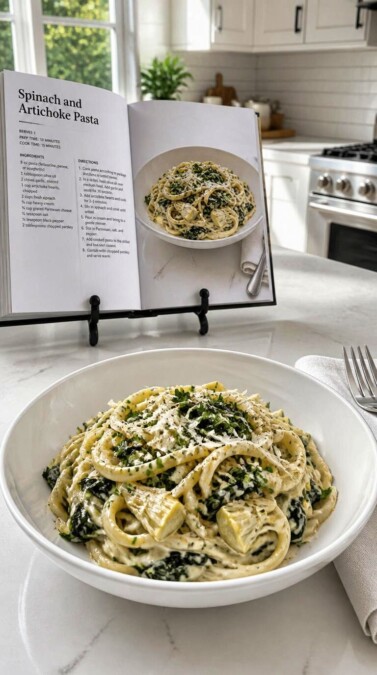
Swap fresh spinach for frozen spinach in your spinach and artichoke pasta recipe for quicker prep. Squeeze frozen spinach dry before adding to keep the sauce creamy. For extra heat, add red pepper flakes or a pinch of cayenne pepper. When you need a pantry-friendly option, use frozen artichoke hearts; drain and pat them dry, then chop roughly.
Make the spinach and artichoke pasta heartier and plant-forward by folding in white beans. They add protein and creaminess without changing the overall flavor, and they pair well with Parmesan and cream cheese. Create a lighter spinach and artichoke pasta recipe by using reduced fat cream cheese and more broth or milk to loosen the sauce. For dietary restrictions, substitute gluten-free pasta and finish it in the sauce so it absorbs flavor and avoids becoming gummy.
Mix and match these options depending on your time, heat preference, or dietary needs. Test small adjustments first so the texture and seasoning balance stays right in your spinach and artichoke pasta recipe.
Related Recipes
Transform the flavors of this spinach and artichoke pasta into quick weeknight variations. A one-pot version captures the same creamy spinach and artichoke pasta recipe flavor with less cleanup; cook the pasta right in the sauce so the starch thickens the coating and saves time. See a one-pot approach at Food Dolls.
For a baked, crowd-friendly option, layer the cheesy sauce with penne and finish under the broiler for a crisp topping. That technique mirrors the baked spinach and artichoke pasta recipe found at The Mediterranean Dish. For a lighter take, swap full-fat cream cheese for part-skim ricotta and add lemon zest to brighten the spinach and artichoke pasta recipe. Slender Kitchen offers a quick 30-minute spinach and artichoke pasta recipe that keeps the comforting profile but trims richness and prep time.
Experiment with adding roasted garlic or a three-cheese sauce for extra depth. Natasha’s Kitchen and Marry Kitchen provide creamy, crowd-pleasing spinach and artichoke pasta recipe versions that inspired my adjustments.
Recipe Comparison
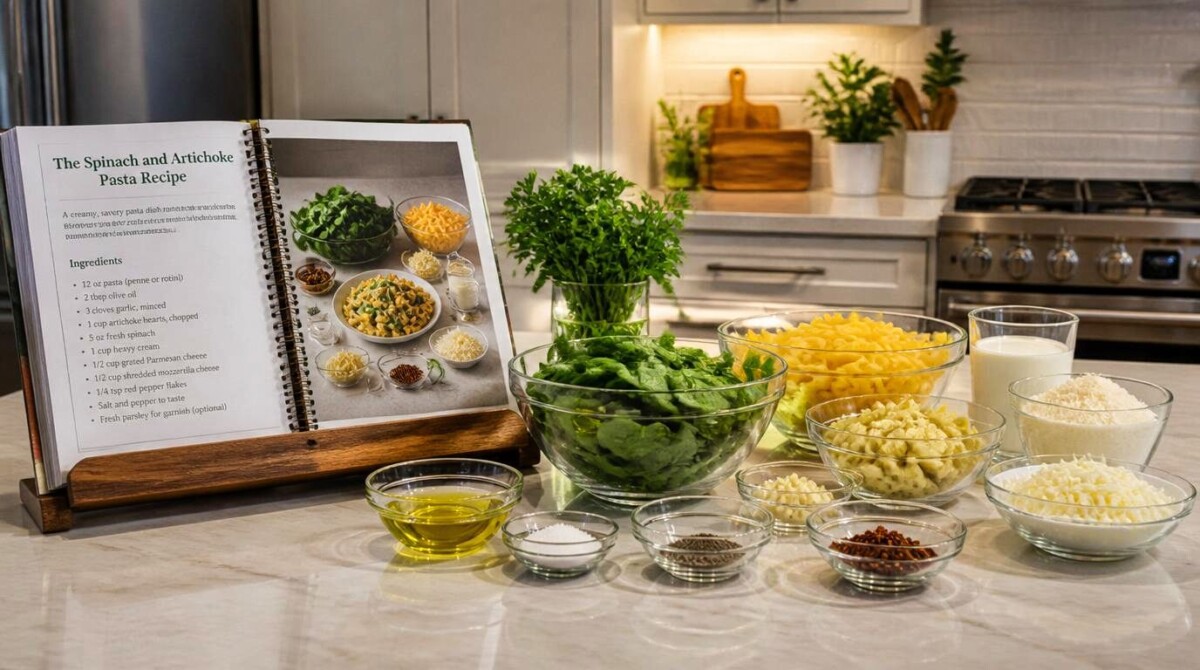
Compare spinach and artichoke pasta versions by focusing on texture, time, and richness. Some recipes deliver a quick, creamy stovetop spinach and artichoke pasta recipe in about 20–30 minutes, while others use a bake step for a browned, gratin-like finish. I prefer stovetop spinach and artichoke pasta recipes for fast dinner service and a silkier sauce, while the baked approach works better for a more substantial, casserole-style meal with a crunchy topping.
Evaluate ingredient lists by comparing creamy bases: heavy cream or cream cheese gives a richer mouthfeel, while Greek yogurt or part-skim cheeses lighten the spinach and artichoke pasta recipe and reduce calories. Add-ins like chicken or sausage turn the spinach and artichoke pasta into a heartier main, while extra cheese and butter emphasize comfort. For a simple, weeknight-friendly spinach and artichoke pasta that mirrors the classic dip in pasta form, Natasha’s Kitchen provides a straightforward 30-minute method.
- Texture: stovetop = creamy; baked = browned and slightly crisp.
- Time: stovetop ≈ 20–30 min; baked ≈ 30–45 min.
- Richness: cream/cheese = high; yogurt/part-skim = lighter.
Spinach and Artichoke Pasta Recipe Cooking Tips
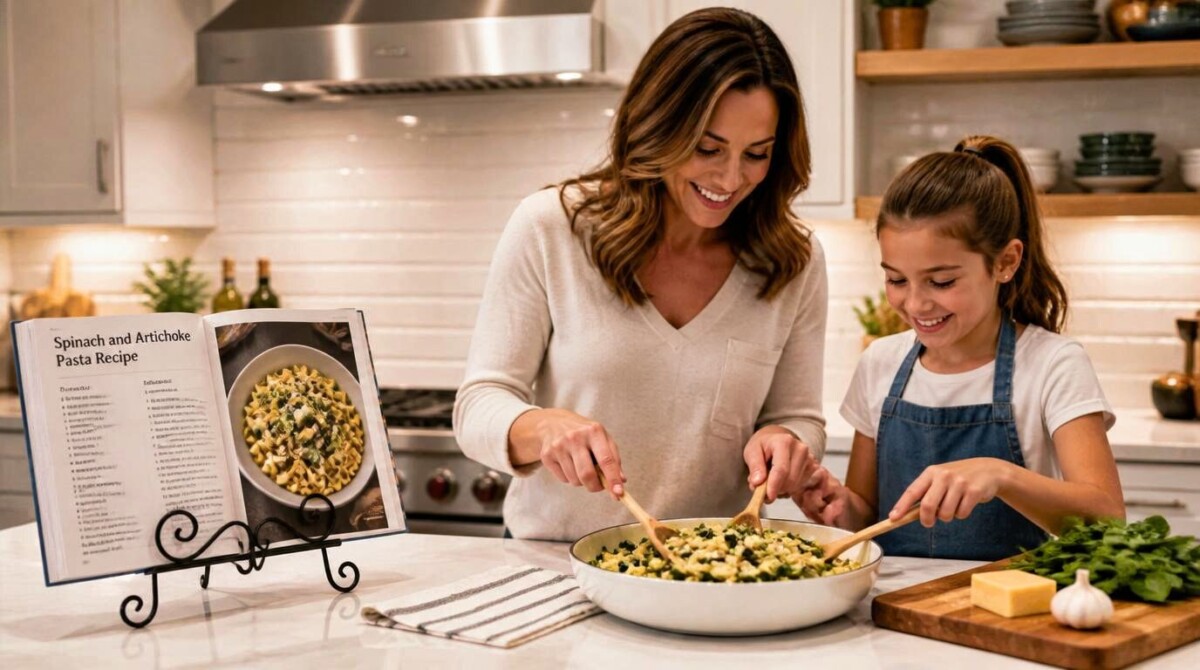
• Spinach and Artichoke Pasta combines tender pasta, flavorful artichokes, fresh spinach, and a light or creamy sauce.
• Use sturdy pasta shapes such as penne, rigatoni, rotini, farfalle, or fettuccine to hold the sauce well.
• Cook the pasta until al dente for the best texture.
• Reserve some pasta cooking water before draining to help adjust the sauce consistency.
• Fresh spinach provides the best texture, but frozen spinach can be used if thoroughly drained.
• If using frozen spinach, squeeze out excess moisture to prevent a watery sauce.
• Drain artichoke hearts thoroughly before adding them to the dish.
• Cut artichoke hearts into bite-sized pieces for even distribution.
• Garlic, shallots, and onions create a flavorful foundation for the sauce.
• Olive oil works well for a lighter preparation, while cream creates a richer version.
• Parmesan, Pecorino Romano, mozzarella, or goat cheese add depth and richness.
• Lemon juice and lemon zest brighten the flavors and complement both spinach and artichokes.
• Fresh herbs such as basil, parsley, oregano, or thyme enhance the dish.
• Add spinach near the end of cooking to preserve its color and texture.
• Use reserved pasta water to create a silky, well-coated sauce.
• Taste and adjust seasoning before serving.
• Properly prepared spinach and artichoke pasta should be creamy or lightly sauced, flavorful, and well-balanced.
• Serve immediately with additional cheese and fresh herbs if desired.
Spinach and Artichoke Pasta Recipe Storage Tips
• Allow the pasta to cool before transferring it into storage containers.
• Store refrigerated in airtight containers to preserve freshness and flavor.
• Refrigeration often allows the flavors to blend and deepen further.
• The pasta may absorb some of the sauce during storage.
• Add a small amount of broth, milk, cream, olive oil, or water when reheating if needed.
• Reheat gently on the stovetop or in the microwave until thoroughly heated.
• Stir occasionally during reheating to distribute moisture evenly.
• Store extra cheese and fresh herbs separately when possible.
• Individual portions can be stored for convenient lunches or dinners.
• Freeze only if necessary, as pasta texture may soften after thawing.
• Use airtight freezer-safe containers if freezing.
• Defrost frozen portions gradually in the refrigerator before reheating.
• Cream-based versions may require additional stirring after reheating.
• Use clean utensils when serving leftovers to help maintain freshness.
• Keep away from strongly scented foods because pasta dishes can absorb surrounding odors.
• Check for signs of spoilage such as sour odors, mold, unusual discoloration, or texture deterioration before consuming leftovers.
• Avoid repeated reheating cycles, which can affect texture and quality.
• For best quality, enjoy refrigerated portions while the pasta remains tender and the spinach and artichokes remain flavorful.
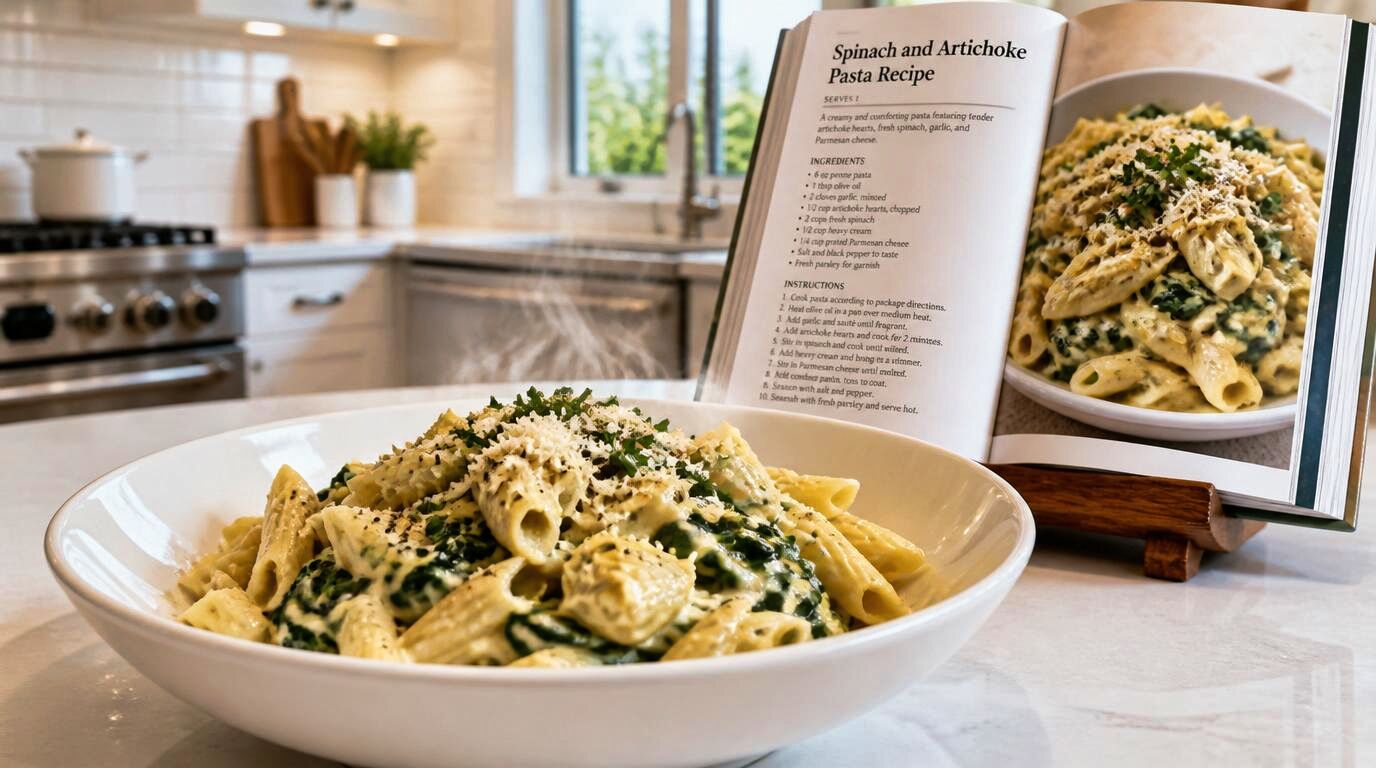
Spinach and Artichoke Pasta Recipe
Ingredients
- 6 Tbsp butter dividedunsalted
- 10 oz spinach fresh
- 4 oz cream cheese cut into pieces (reduced fat is ok)
- 1 cup sour cream "light" sour cream is ok 8 oz
- 1 cup parmesan cheese shredded
- 2 cans artichoke hearts 15 oz each quartered , well drained
- 4 oz jalapeños drained (optional) diced
- 1 cloves garlic pressed
- 16 oz pasta penne pasta with 1 cup reserved pasta cooking liquid
Method
- Bring a large pot of salted water to a boil.
- Cook the pasta according to package directions until it reaches your desired doneness.
- Drain the pasta, reserving about 1 cup of the pasta cooking water before draining.
- Set the pasta aside.
- In a large pot, melt 2 tablespoons butter over medium heat.
- Once the butter is melted and hot, add the spinach.
- Cook, stirring frequently, until the spinach is just wilted, about 1 minute.
- Transfer the spinach to a colander and allow it to drain while preparing the sauce.
- Using the same pot, add the remaining 4 tablespoons butter, cream cheese, sour cream, and Parmesan cheese.
- Cook over medium heat, stirring frequently, until everything has melted together and the mixture begins to bubble.
- Add the Vegetables
- Stir in the drained artichokes and cook for 1 to 2 minutes.
- Add the drained spinach, pressed garlic, and jalapeños, if using.
- Cook until everything is heated through.
- Add the cooked pasta to the sauce and toss until evenly coated.
- Stir in some of the reserved pasta water, if desired, until the sauce reaches your preferred consistency.
- The pasta water helps create a lighter, creamier sauce and keeps the pasta moist.
Nutrition
Private Notes
Tried this recipe?
Let us know how it was!Frequently Asked Questions
Find practical, testable techniques for your spinach and artichoke pasta recipe: how to build a smooth sauce, cream-free swaps, pasta shapes that hold sauce, protein additions, and steps to convert the dish into a baked casserole with a crisp topping.
What is the best way to make a creamy spinach and artichoke pasta sauce at home?
Sauté minced garlic in olive oil until fragrant, then add chopped artichoke hearts and cook briefly to deepen flavor. Wilt fresh spinach into the pan, then lower the heat and stir in a mix of cream cheese and grated Parmesan until smooth. This yields a glossy, clingy sauce that coats penne and other short pasta evenly in your spinach and artichoke pasta recipe.
If you prefer more fluidity, thin the sauce with reserved pasta water a little at a time until it reaches the right consistency. For extra silkiness, finish your spinach and artichoke pasta recipe with a small knob of butter off the heat and a splash of lemon to brighten the dish.
How can I make spinach and artichoke pasta without using heavy cream?
I whisk full-fat Greek yogurt with a little pasta cooking water to replace heavy cream in my spinach and artichoke pasta recipe. I also blend silken tofu or mix cream cheese and milk to keep the sauce creamy and stable over medium-low heat. For a dairy-free spinach and artichoke pasta recipe, I blend cashews with vegetable broth to create a rich, creamy texture.
Which pasta shapes work best with a spinach and artichoke sauce?
Short tubular shapes like penne and rigatoni catch chopped artichoke pieces and sauce inside their cavities, making them ideal for a spinach and artichoke pasta recipe. Twisted shapes such as rotini and fusilli trap sauce in their grooves, delivering concentrated flavor in every bite of spinach and artichoke pasta recipe. For a baked spinach and artichoke pasta recipe, I choose short pasta like penne or rotini, which stacks well in a casserole and holds up to baking.
Can I add chicken to spinach and artichoke pasta, and how should it be cooked?
I often add shredded rotisserie chicken to my spinach and artichoke pasta recipe for fast assembly and consistent moisture. For a smoky contrast, I slice boneless chicken breasts thin, grill them until just cooked, and toss with the spinach and artichoke pasta recipe. When I want crisp edges, I sear diced chicken on high heat in a cast-iron skillet before adding it to the spinach and artichoke pasta recipe.
How do I turn spinach and artichoke pasta into a baked casserole-style dish?
I prepare the sauce and toss it with cooked penne or rotini, then transfer everything to a greased baking dish for a baked spinach and artichoke pasta recipe. I top the pan with shredded mozzarella, grated Parmesan, and a thin layer of panko breadcrumbs for crunch. Baking at 375°F (190°C) until the top is bubbling and golden, about 15–20 minutes, finishes the spinach and artichoke pasta recipe perfectly.
How can I make a healthier spinach and artichoke pasta without sacrificing flavor?
I use whole-wheat or legume-based short pasta for half of the noodles in my spinach and artichoke pasta recipe. I swap heavy cream for Greek yogurt or blended cauliflower to make it creamy while keeping it light. To add more nutrition, I mix in extra spinach and artichoke hearts and brighten the flavor with lemon juice or vinegar.
I finish my spinach and artichoke pasta recipe with a sprinkle of Parmesan and a tablespoon of panko toasted in olive oil for a satisfying crunch. Using these techniques, you can enjoy a spinach and artichoke pasta recipe that feels indulgent but is much healthier. This spinach and artichoke pasta recipe is easy to customize for different diets, and you can find more healthy pasta inspiration at EatingWell.
