
Looking for a fast, satisfying pasta that feels a little fancy but doesn’t require a ton of effort? This artichoke pasta recipe comes together in about 20–30 minutes and packs major flavor from simple pantry staples. Let’s turn canned or fresh artichokes into a bright, garlicky sauce that hugs spaghetti for a weeknight meal or a laid-back dinner party.
I’ll walk you through straightforward steps, shortcuts, and a few chef tips so you can customize your artichoke pasta recipe—add lemon and capers for brightness, cream for richness, or throw in olives and tomatoes for a Mediterranean vibe. Stick with my method, and you’ll have a reliable artichoke pasta recipe that shows off artichokes and pairs perfectly with spaghetti.
Key Takeaways
- Quick, flavorful pasta ready in under 30 minutes.
- Flexible artichoke pasta recipe with easy tweaks for texture and brightness.
- Practical tips make this artichoke pasta recipe easy to prep ahead and riff on.
Description and Historical Information
This easy artichoke pasta recipe with spaghetti is a Mediterranean-inspired dish that lets the tender, slightly nutty artichokes shine against the comfort of pasta. With minimal ingredients—olive oil, garlic, artichokes, lemon, and Parmesan—each part stays balanced and bright.
Artichokes have been a staple in Italian cooking for ages, especially in spring and early summer when they’re in season. Italians often pair artichokes with pasta and olive oil; sometimes they’ll braise them in broth and herbs, a technique I borrow for extra depth now and then.
Canned or jarred artichoke hearts make this artichoke pasta recipe possible any time of year, and they’ve helped popularize quick skillet versions at home. Modern recipes focus on speed and pantry staples, sometimes adding cream, tomatoes, or white wine for variety.
Try regional touches: pancetta for richness, lemon zest for a pop, or flat-leaf parsley for freshness. These tweaks respect tradition but fit busy, modern kitchens.
Chef’s Tips
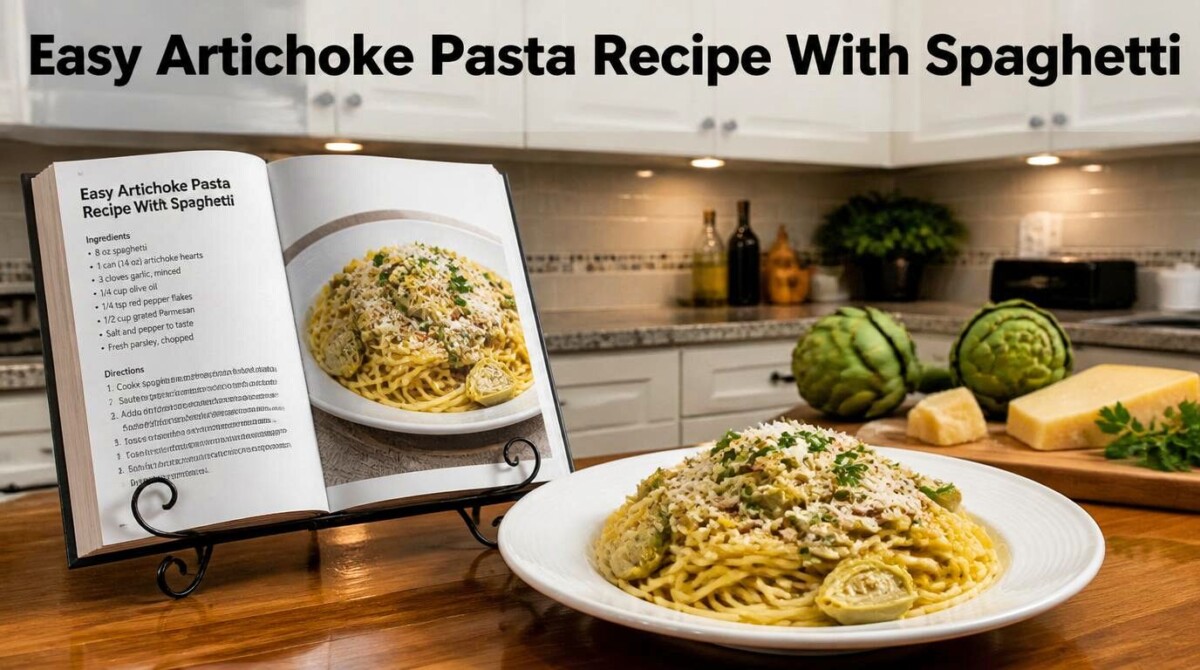
I grab canned or jarred artichoke hearts for speed and consistency—they save time and still taste great. If you want to use fresh, trim and boil the artichokes before slicing, but it does take longer.
I toss hot, drained spaghetti right into the skillet so the pasta soaks up the sauce. Reserving 1/2 to 1 cup of pasta water lets you loosen things up and helps everything cling together.
I add chopped parsley near the end to keep its color and flavor. If you want more herbiness, stir in an extra spoonful right before serving.
At the table, I squeeze fresh lemon wedges over each portion. Lemon juice lifts richness and balances the olive oil or cream in the sauce, but doesn’t hide the artichoke flavor.
Keep coarse salt and cracked black pepper handy for last-minute tweaks. Taste before adding more—canned artichokes can be a little salty from their packing liquid.
Some quick tricks: sauté garlic until it’s fragrant but not brown, crisp pancetta or breadcrumbs separately for crunch, and finish with a drizzle of good extra-virgin olive oil. Small steps like these make an artichoke pasta recipe feel restaurant-worthy.
Make-Ahead Instructions
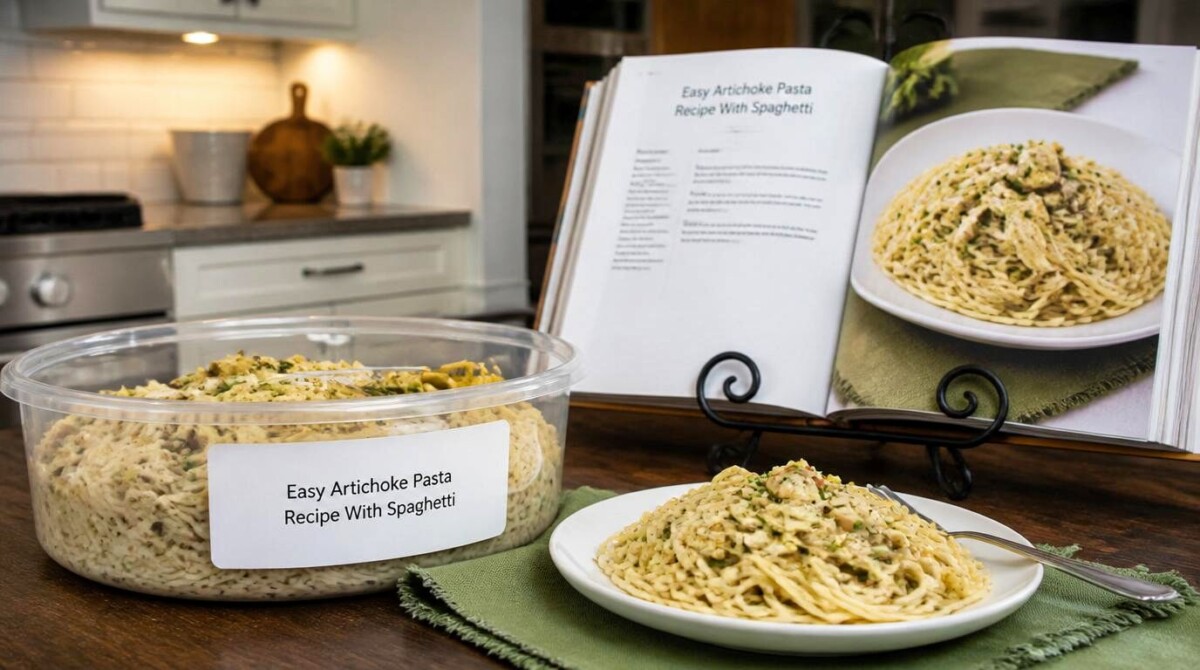
I prep the artichoke sauce up to two days ahead to save time. I stash it in an airtight container in the fridge to keep the flavors fresh and prevent browning.
For the best texture, I undercook the spaghetti by a minute or two if I know I’ll be tossing it with cold sauce later. The pasta finishes cooking when I reheat everything together.
I reheat the sauce gently over low heat, stirring often. If it gets too thick, I splash in some reserved pasta water or a little olive oil.
To freeze: cool the sauce, portion it into freezer-safe containers, and freeze for up to two months. I thaw overnight in the fridge and reheat slowly—microwaving on high tends to make it separate.
Quick checklist:
- Label containers with date and contents.
- Reserve 1/2 cup pasta water before draining.
- Reheat on low, add water or oil if needed.
I plate right after tossing to keep everything bright. A sprinkle of fresh lemon zest or parsley at the end really wakes it up.
Variations
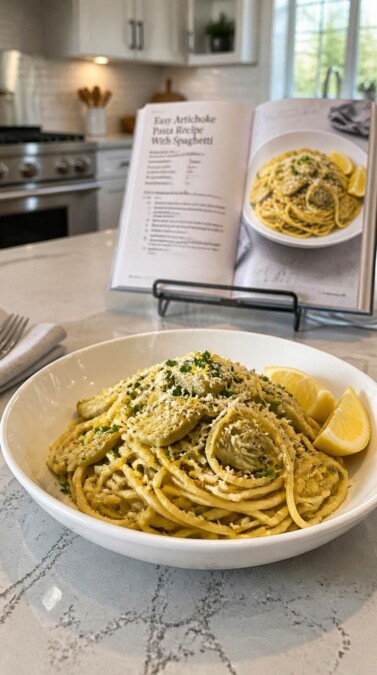
Sometimes I swap spaghetti for linguine if I’m in the mood for a broader noodle that grabs more sauce. Linguine gives a chewier bite and works with both olive oil–based and creamy versions of this artichoke pasta recipe.
For artichokes, I usually reach for marinated hearts from a jar—they’re quick and have a zippy flavor. When fresh artichokes are in season, baby ones are especially tender after a quick sauté or steam.
To make a creamy artichoke pasta recipe, I stir in a bit of cream or a mix of cream and Parmesan for silkiness. Pecorino cheese grated on top adds a salty, tangy kick that balances the artichokes nicely.
If I’m making it plant-based, I use cashew cream or unsweetened plant milk thickened with a little cornstarch. Nutritional yeast adds a cheesy, savory note and keeps the artichoke pasta recipe dairy-free.
Depending on my mood, I’ll add crispy pancetta or bacon for a savory contrast, or brighten things up with capers, lemon zest, and fresh parsley. This artichoke pasta recipe really adapts to whatever you’re craving.
Related Recipes
When I want to mix up textures and flavors but keep things simple, I try other pasta dishes. For a heartier, saucy option, penne with artichokes is a solid choice—the tube shape holds artichoke chunks and creamy or tomato sauces well. I like a version with roasted artichoke hearts, lemon, and parsley for a fresh spin.
For gatherings, a chilled pasta salad is a lifesaver. I toss cooked pasta with marinated artichoke hearts, cherry tomatoes, olives, and a light vinaigrette. The flavors blend overnight, and it’s easy for guests to serve themselves.
I often pair rich pasta dishes with a basic green salad—mixed greens, lemon-olive oil dressing, shaved Parmesan, and black pepper. The acidity and crunch balance out creamy or garlicky artichoke pasta recipes perfectly.
Sometimes I swap spaghetti for penne or fusilli just to change things up. If you’re looking for more artichoke pasta recipe inspiration, take a peek at this Feasting at Home artichoke pasta recipe for a creative twist.
Recipe Comparison
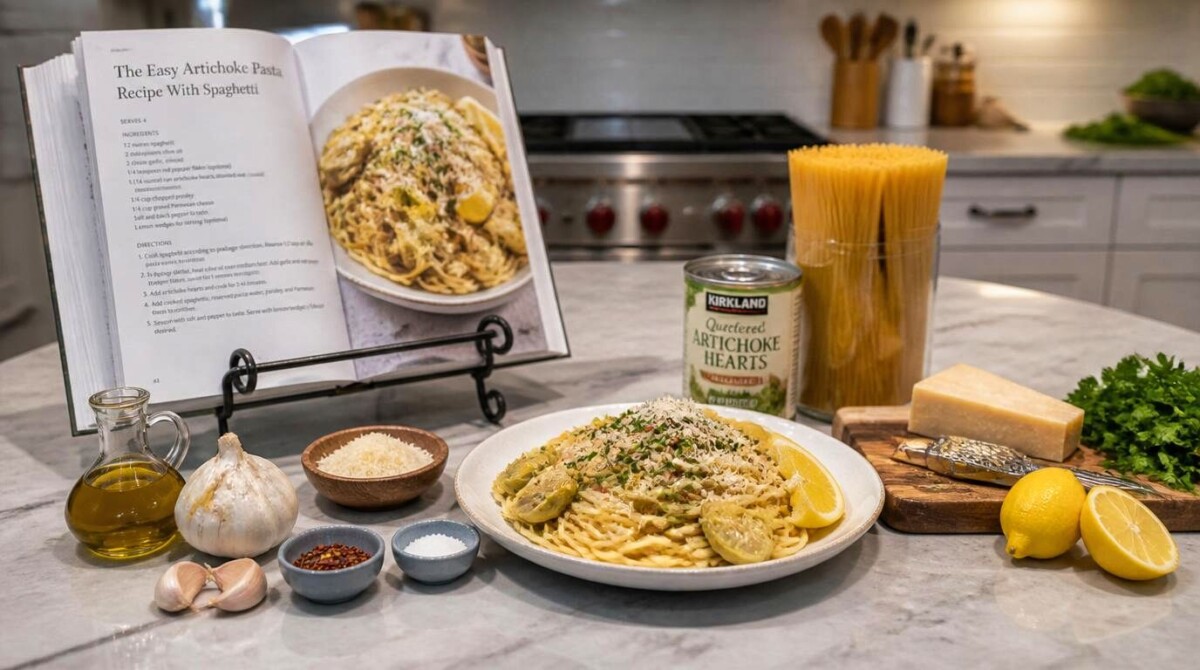
Let’s compare three easy approaches: pan-tossed whole artichoke hearts, a blended artichoke cream sauce, and a lemon-garlic oil finish. Each one changes the texture and flavor while keeping the artichoke pasta recipe under 30 minutes.
The pan-tossed style uses quartered artichoke hearts sautéed with garlic and olive oil. You get distinct bites and a rustic feel—like the skillet method in this Easy Skillet Artichoke Pasta.
With a blended artichoke sauce, everything gets smooth and clings to spaghetti. I go for this when I want a silky, richer artichoke pasta recipe—similar to what you’ll find in Pasta with Artichoke Sauce.
The lemon-garlic oil finish keeps things bright and light. I use lemon zest, juice, and a splash of pasta water for emulsion, inspired by quick lemon-artichoke variations like lemon artichoke pasta.
Quick comparison table:
- Pan-tossed: savory, firm | bitey | weeknights, pantry cooking.
- Blended sauce: mellow, creamy | silky | special dinners, make-ahead.
- Lemon-garlic oil: bright, fresh | light | warm weather, veggie-forward meals.
I often mix and match—some pan-tossed pieces for texture, a bit of blended sauce for creaminess. Small tweaks like cheese, red pepper flakes, or parsley can shift the profile of your artichoke pasta recipe without adding time.
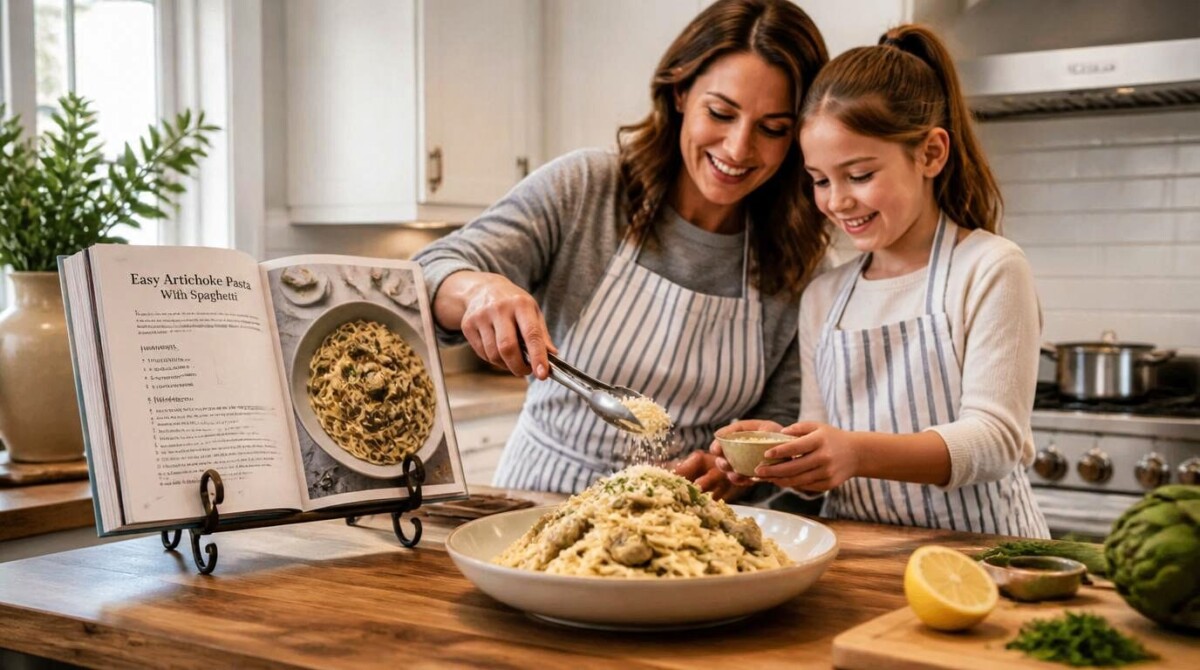
Easy Artichoke Pasta Recipe with Spaghetti Cooking Tips
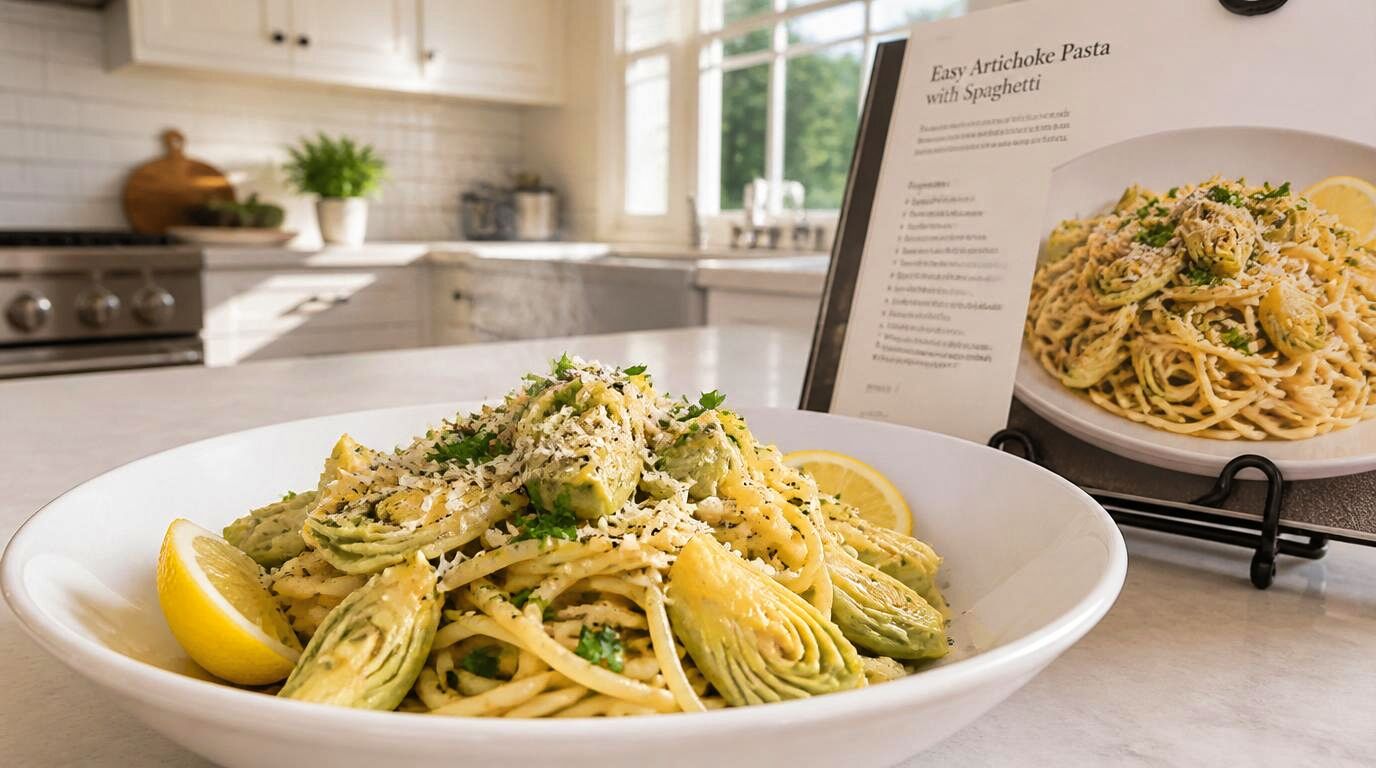
Easy Artichoke Pasta Recipe With Spaghetti
Ingredients
- 6 artichoke hearts (fresh or frozen artichoke hearts)
- ¼ cup olive oil
- 2 cloves garlic chopped
- ½ teaspoon oregano
- ¼ teaspoon salt
- 2 dashes hot pepper flakes or to taste
- ¼ cup water
- 3 cups pasta spaghetti cooked
- 2-3 tablespoons cheese Freshly grated Pecorino or Parmesan cheese to taste
Method
- Fill a large bowl with water and squeeze in the juice of a lemon.
- Remove the tough outer leaves from each artichoke until you reach the pale yellow inner leaves.
- Trim the stem, leaving about 2 to 3 inches attached. Using a knife, peel away the tough outer layer from the stem.
- Cut each artichoke in half and remove the choke if present. Thinly slice both the artichoke hearts and the cleaned stems.
- Place the sliced artichokes and stems into the lemon water as you work to prevent discoloration.
- Repeat with the remaining artichokes.
- Drain the sliced artichokes and stems.
- Heat the oil in a large skillet or sauté pan over medium heat.
- Add the garlic and cook briefly until fragrant.
- Stir in the artichokes, then season with oregano, salt, and hot pepper flakes.
- Add the water and cook partially covered until the artichokes are tender and the liquid has mostly evaporated.
- Taste and adjust the seasoning if needed.
- While the artichokes are cooking, bring a large pot of salted water to a boil.
- Cook the spaghetti according to package directions until al dente.
- Reserve a small amount of the pasta cooking water before draining.
- Add the drained spaghetti directly to the pan with the artichokes.
- Pour in 2 to 3 tablespoons of the reserved pasta water.
- Toss continuously over medium-high heat for about 1 minute, allowing the pasta and artichokes to combine and the flavors to meld together.
- Serve immediately.
Nutrition
Private Notes
Tried this recipe?
Let us know how it was!Frequently Asked Questions
Here are practical, tested answers so your artichoke pasta recipe comes out glossy, tasty, and evenly coated. Let’s talk about which artichokes to use, how to get a sauce that clings, adding tomatoes, creamy swaps, good mix-ins, and reheating tips.
What type of artichokes works best for pasta—canned, jarred, or fresh?
Canned or jarred artichoke hearts are the fastest and most consistent for a weeknight artichoke pasta recipe. Drain and pat them dry so the sauce doesn’t get watery. I’ll sometimes quarter marinated hearts for extra flavor, but then I cut back on any added oil or vinegar.
Fresh artichokes give the best texture if you trim, steam, and sauté them, but that adds 20–40 minutes. Frozen artichoke hearts work well too—thaw and roast or sauté them to concentrate flavor and get rid of excess moisture before adding to your artichoke pasta recipe.
How do I make a simple artichoke pasta sauce that clings well to spaghetti?
Save at least 1/2 cup of starchy pasta water before draining. The starch helps the sauce stick when you toss everything together. I cook garlic and oil (sometimes a knob of butter) with chopped artichoke hearts, add white wine or lemon, then toss in the pasta, cheese, and reserved water until it’s glossy and coats the noodles.
For extra creaminess without heavy cream, I mash a few artichoke pieces in the pan or stir in grated Parmesan while tossing. The cheese emulsifies with the starchy water and oil, making a silky coating for your artichoke pasta recipe.
Can I add tomatoes to artichoke spaghetti without making the sauce watery?
Absolutely. Use drained, seasoned diced tomatoes or cook fresh ones down to concentrate the flavor and get rid of extra liquid. I add canned tomatoes after sautéing artichokes and simmer until thickened, then add pasta water a little at a time to reach the right consistency.
Roasting diced tomatoes or adding a spoonful of tomato paste boosts flavor without thinning the sauce. If you’re using marinated artichokes, just ease up on any extra liquids in the pan for your artichoke pasta recipe.
How can I make artichoke spaghetti creamy without heavy cream?
When I’m after that creamy vibe in an artichoke pasta recipe, I grab some of the starchy pasta water and toss it with grated Parmesan or Pecorino, plus a knob of butter. The cheese and starch come together into this sauce that just hugs the spaghetti. Sometimes, I’ll purée a few cooked artichoke hearts or stir in a spoonful of ricotta if I want the artichoke pasta recipe to lean more into the dairy side—honestly, it’s a game-changer.
Now, if you’re skipping dairy, I usually blend up some silken tofu or cashew cream, squeeze in a bit of lemon, and warm that with the artichokes. Then I toss everything with the pasta and a splash of that magic pasta water. It turns out surprisingly smooth and rich—almost makes you forget there’s no cream. I’ve tried a few artichoke pasta recipe tweaks, but this one’s my go-to.
What ingredients pair well with artichoke spaghetti, such as olives, capers, or lemon?
Pairing stuff with an artichoke pasta recipe? I’m all for briny capers or some sliced Kalamata olives—just don’t go overboard, or they’ll totally steal the show from the artichokes. Lemon zest at the end gives it that lift, and a splash of juice earlier on helps deglaze the pan and wake up the whole dish. It’s a little detail, but it makes a difference.
Sometimes, I toss in fresh spinach or a handful of baby arugula near the end. They wilt down fast and bring a nice pop of green (plus a bit of bite). If I’m hungry for protein, grilled shrimp or sliced chicken fits right in with an artichoke pasta recipe. And I almost always finish with toasted pine nuts or a sprinkle of chopped parsley—just for that crunch and a hit of freshness. If you’re curious about more ideas, [Serious Eats](https://www.seriouseats.com/artichoke-pasta-recipe) has some clever takes on artichoke pasta recipe variations.
What is the best way to reheat leftover artichoke pasta without drying it out?
Honestly, I usually just toss my leftover artichoke pasta recipe on the stovetop over low heat with a splash of water, broth, or a glug of olive oil. I keep tossing it around until it’s warmed through and feels silky again. If I’m only reheating a single serving, I’ll just pop it in the microwave for maybe 30 to 60 seconds. After that, I stir in a teaspoon of olive oil or a bit of reserved pasta water—anything to get that sauce back to its luscious self.
Sometimes the artichoke pasta recipe soaks up way too much liquid in the fridge. If that happens, I’ll mix in a spoonful of ricotta or even a few tablespoons of milk as it warms. It brings the creaminess back without making the sauce runny. For more tips on perfecting your artichoke pasta recipe, check out Serious Eats’ pasta guide—they’ve got some clever tricks up their sleeve.
