
Kuta Beach in Lombok: Your Complete Travel Guide for First-Time Visitors
257,400 visitors in a single year to Kuta Beach in Lombok: No that isn’t a typo, but it might as well be a secret when you compare it to the relentless crush of bodies on Bali’s beaches. I watched Kuta Beach in Lombok transform from a sleepy surf outpost of 40,000 annual visitors in 2008 to over a quarter-million by 2014, and the numbers keep climbing. Lombok Province pulled in over 3.2 million domestic tourists and 430,000 foreign tourists in 2024 alone.
Yet somehow the sand still stretches wide, the warungs still charge local prices, and I can still find a stretch of shoreline where my footprints are the only ones in sight. That’s the contradiction I’ve come to love-and the one that keeps me coming back on last-minute flights with nothing but a backpack and a vague plan.
I stumbled into Kuta Lombok with only a few days left on my visa and zero expectations. A spontaneous decision. The kind born from staring at a map over bad hostel coffee and wondering why nobody talks about the southern coast of Lombok with the same reverence they reserve for Uluwatu.
Two days. That’s all I had.
And I spent every waking hour on a rented scooter, chasing gravel roads to beaches with names I couldn’t pronounce, getting my water bottle stolen by a baboon on Bukit Merese Hill, and sitting on bamboo mats eating nasi goreng while the Indian Ocean churned turquoise and white below me. I left kicking myself for not arriving sooner.
The confusion is understandable-mention “Kuta” to anyone who’s spent time in Indonesia and they immediately picture the chaotic, beer-soaked streets of Kuta, Bali. Night and day difference. Kuta Beach in Lombok exists in a parallel universe where the traffic is sparse, the coastline remains largely undeveloped, and the Mandalika Special Economic Zone hasn’t erased the raw, untamed character that defines this place. Surfers have known about it for decades (the south coast serves up world-class reef breaks from April to October), but the families, digital nomads, and wellness travelers now trickling in are discovering something the wave-chasers always understood: this stretch of Lombok offers a genuine Indonesian experience that barely scratches the surface of what most tourists ever see.
Lombok’s star-rated hotels welcomed over 1.2 million guests in 2025, with 3-star properties alone seeing 30,000 to 50,000 monthly guests peaking in August. The occupancy data confirms what I felt on the ground-Kuta Beach in Lombok has arrived, but not in the way that ruins a destination. New restaurants are opening (The Mexican in Town does fish tacos that rival anything I’ve eaten in California), boutique hotels are popping up alongside family-run homestays, and Scoot launched direct flights from Singapore starting June 2026. What’s coming won’t stay quiet forever, which is exactly why I’m writing this now-to share my favorite secret beaches, the surf breaks I’ve tested firsthand, the hotels worth booking, and the travel tips I learned through trial, error, and the occasional scooter mishap.
- Where I go to escape the crowds and find beaches that feel untouched (Chapter 1)
- How I approach surfing this coast, from forgiving beach breaks to reef passes that demand respect (Chapter 2)
- What I actually spend my money on-the cafés, warungs, and hotels that earn my return visits (Chapter 3)
- The logistical realities nobody tells you, from airport transfers to that dirt road to Pantai Semeti (Chapter 4)
My Favorite Secret Beaches Near Kuta Beach in Lombok
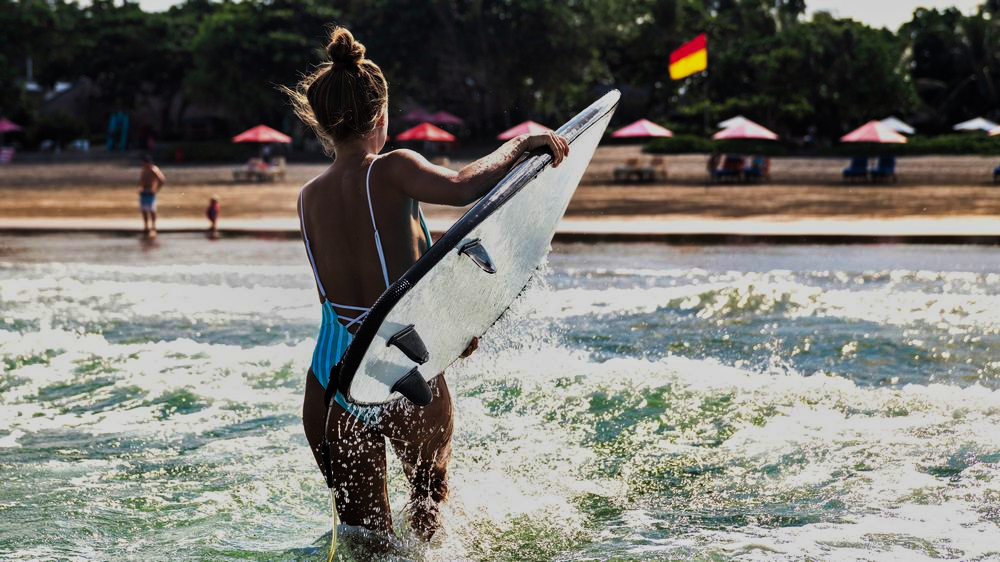
I’ll cut straight to it – calling these “secret” is a bit of a stretch these days. But compared to the concrete-covered strip that is Kuta Beach itself (which I skipped entirely based on unanimous local warnings about trash and, well, concrete), these spots feel like private discoveries. The 80/20 rule applies here: 80% of visitors cluster at two or three beaches, leaving the rest gloriously empty. I found that out the hard way after wasting my first morning somewhere crowded when solitude was a 15-minute scooter ride farther.
Tanjung Aan sits just 20 minutes from Kuta’s center. It’s the Goldilocks beach – not deserted, not packed. Warungs line the sand serving cold coconuts, and bamboo huts offer shade for hours of reading. Parking costs 10,000 IDR at the entrance, though I parked behind a warung for free and bought a Bintang instead.
The catch? Bracelet and sarong sellers work the beach relentlessly.
I said “tidak, terima kasih” so many times I started saying it in my sleep. It’s beautiful, convenient, and right next to Merese Hill for sunset – but if seclusion is your goal, keep driving.
Twenty-five minutes out, Pantai Tampah and Pantai Lancing sit on the same bay yet somehow count as separate beaches. Tampah has a handful of warungs and just enough people to not feel eerie. I sprawled out on a lounger, swam in water so clear it looked Photoshopped, and watched a group attempt frisbee with the enthusiasm of people who’d never caught anything in their lives.
Lancing, reachable by walking down the sand or via its own entrance, had even fewer souls and only one warung. Coconuts run 40,000 IDR.
A swing sits there, inviting and ridiculous against the turquoise backdrop. I swam alone for an hour. A local kid gave me a high five.
That was the extent of human interaction.
Pantai Semeti changed the equation. The 45-to-60-minute ride starts paved and scenic, then devolves – and I mean devolves – into 3 kilometers of gravel, potholes, and steep dirt inclines that tested both my scooter skills and my willingness to remain alive. I was nervous.
Genuinely. But arriving at that cove, with its sculpted rock formations and not a single other person, felt like stumbling onto a film set for a castaway movie that forgot to hire extras.
There’s supposedly a cave. I never found it. No warungs, no shade, no mercy from the sun – pack water and sunscreen or regret it deeply.
Pantai Mawi branches off the same nightmare road, veering right where Semeti goes left. It’s pretty but really a surfer’s domain – big, powerful waves that made me grateful I was just watching. Selong Belanak, in contrast, is the social butterfly of the lineup: a wide, welcoming beach perfect for swimming and learning to surf without getting ragdolled.
And Pink Beach, 1 hour 40 minutes from Kuta, earns its name honestly with sand tinged pink – I didn’t make it there myself, which is why it tops my list for the next trip. Something about knowing a beach exists that I haven’t touched yet makes the return inevitable.
Conquering Kuta Beach in Lombok’s Waves My Way
I’ll admit something embarrassing: I barely surfed during my stay near Kuta Beach in Lombok. My grand plan to conquer the Indian Ocean swells collided with the reality of having just two days left on my visa, and honestly, watching the chaos unfold from shore taught me as much as paddling out would have. The lineup here isn’t a scene-it’s a working ecosystem of local rippers, determined beginners, and the occasional pro carving lines that made me question whether I’d ever actually learned to surf at all.
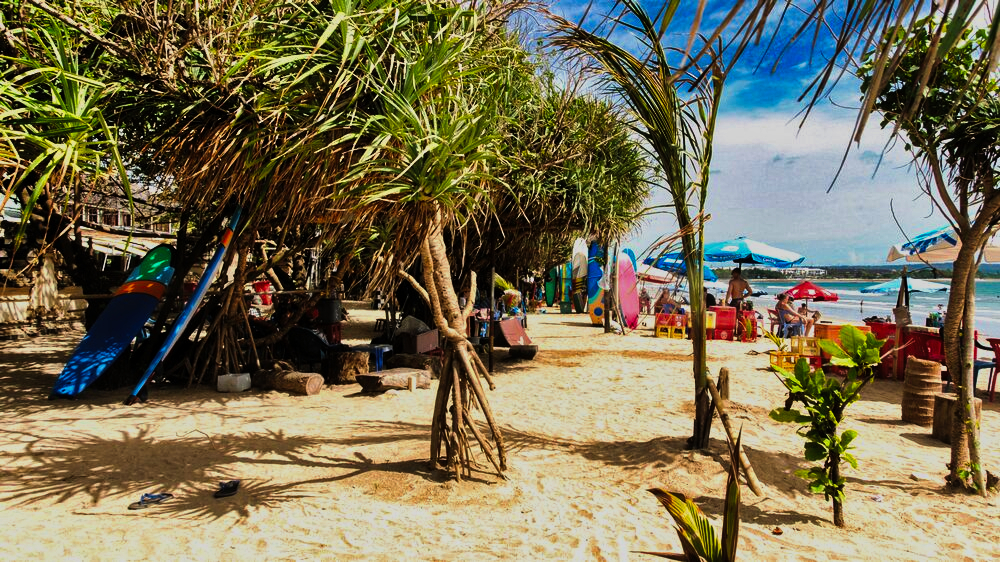
Over ten distinct breaks radiate from Kuta Beach in Lombok, covering every skill level imaginable. That number sounds absurd until you trace the coastline on a map and realize each headland and reef creates its own personality. Selong Belanak is the undisputed nursery-a long, forgiving beach break where the whitewater reforms gently enough that you can stumble to your feet fifty times and still grin through the salt-sting. I watched a Dutch tourist stand up on her third attempt there, the instructor calmly pushing her board into waist-high rollers while she shrieked with genuine joy. That’s the spot for lesson one.
Then there’s Mawi, which sits at the opposite end of the spectrum. Adjacent to Pantai Semeti and accessed via that same brutal 3-kilometer stretch of gravel and potholes, Mawi delivers proper, barreling reef breaks that demand respect. Beginners have no business here-I saw a guy lose half a fin just paddling over the ledge.
The dry season, running May through September, pushes consistent south and southwest swells up from the deep Indian Ocean, and morning sessions are almost sacred. After about 11 a.m., the onshore winds pick up and turn clean faces into bumpy chaos within twenty minutes.
Dawn patrol isn’t optional here; it’s the only window that matters.
Surf lessons near Kuta Beach in Lombok run between IDR 550,000 and 700,000 per session, including return transfer, equipment, and sometimes a boat if the break requires it. Private coaching bumps the price to IDR 700,000 flat. I spoke with a group who’d booked through their guesthouse and ended up at Selong Belanak for a full morning-their instructor brought boards, rashguards, reef booties, and even a cooler of water. That’s standard around here. Nobody nickel-and-dimes you for extras, which feels almost jarring compared to surf camps in Bali where every coconut and photo package shows up on the final bill.
What struck me most about Kuta Beach in Lombok’s surf culture, though, was how it hasn’t calcified into exclusivity yet. Beginner takes a set wave on the head? Someone paddles over and asks if they’re okay, not whether they belong.
The lineups I watched at Mawi had tension-every reef break does-but none of the outright hostility I’ve felt in more famous spots. When you eventually stagger back to town, sun-drunk and salt-crusted, you’ll already be mentally scanning where to eat and crash before tomorrow’s session.
My Insider Guide to Eating and Staying Near Kuta Beach in Lombok
After a full morning chasing waves or baking on the sand, my stomach starts making demands. Loud ones. Kuta’s food scene surprised me-it punches well above its weight for a town this size, slinging everything from Mediterranean feasts to the kind of breakfast that makes you reconsider your life choices back home.
My hands-down favorite was El Bazar Cafe and Restaurant. The decorative venue alone is worth the visit, all warm lighting and textured walls, but the food holds its own. I parked myself there for both lunch and a lingering dinner, working through their menu like it was a personal challenge.
Equally addictive: Milk and Espresso. I went back for breakfast two mornings straight.
The coffee is serious business, the food is photogenic without being pretentious, and the whole bamboo-meets-hipster aesthetic just works. For other options, Ashtari doubles as a yoga loft and sunset lounge, Kenza Cafe does a solid all-day menu, and TERRA rounds out the top-tier picks with a bohemian, plant-forward vibe.
What struck me most was the sheer range. One night I’d be elbow-deep in a local nasi campur at a no-name warung, the next I’d be eating Greek-inspired seafood at SeaSalt or demolishing fish tacos at Cantina Mexicana. KRNK handles burger-and-cocktail cravings, Bush Radio nails the cafe game, and Warung Ombak is where you go when you want the real-deal Indonesian plate for pocket change. The 80/20 rule applies to visitors here too-most cluster around the same five spots, so wandering one street over gets you a table instantly.
Accommodation follows the same everything-for-everyone logic. HostelWorld lists 17 hostels in Kuta, with dorm beds starting around $3 a night and private rooms climbing to roughly $30. Pipes Hostel comes recommended, though my own pick shuttered during the pandemic.
On the other end of the spectrum, top-tier hotels in Lombok hit an ADR of IDR 1.9 million during high season, while off-season rates dip into the IDR 323,000–775,000 band. Shoulder season hovers between IDR 537,000 and 1.4 million-a wide spread, but it means there’s genuinely something for every wallet.
The real sweet spot, though, is the homestay scene. Booking.com is flooded with them, and many are far nicer than you’d assume. Pools aren’t uncommon.
My friend stayed at Homestay @ 79 and wouldn’t shut up about the host family’s warmth and how comfortable the room was-it’s the highest-rated option on the platform. You get hotel-level privacy, but your money lands in local pockets, and you’ll likely meet other travelers over morning coffee.
Hotel occupancy in prime Kuta locations can reach around 90% during peak seasons, so locking in a homestay early beats scrambling later. In August 2025 alone, 4-star hotels in Lombok topped 59,115 guests; 3-stars pulled 30,000 to 50,000 monthly. The infrastructure is growing fast, fueled partly by the Mandalika Special Economic Zone and the MotoGP halo effect.
Vacation rentals saw an 89% supply increase in 2024, which drove nightly rates down 21%. That’s good news for you, less so for property owners. But it underscores how quickly Kuta is evolving from a surf-bum hideout into a proper destination. Getting here smoothly matters more than ever-and that’s a logistical puzzle worth its own conversation.

My Essential Travel Tips for Kuta Beach in Lombok
257,400 visitors in 2014 was the last hard count I could find, and that number has almost certainly doubled since the Mandalika MotoGP circuit fired up. Infrastructure is scrambling to keep pace, which means your logistics matter more now than they did three years ago. I learned this the slightly embarrassing way-showing up without a plan and wasting half a day sorting out a scooter when I should have been on the sand. Don’t repeat that.
Landing at Lombok International Airport (LOP) is the simplest starting point. The terminal sits roughly 25-30 minutes north of Kuta, and the ride should cost you 70,000–100,000 IDR ($5–7 USD) in a taxi or private driver. Here’s the catch: Gojek and Grab technically operate around the airport, but drivers often can’t enter the arrivals zone-you’ll need to walk out past the official taxi ranks to meet them.
Not a dealbreaker, just awkward with a surfboard bag. I’ve used both apps and the price difference is real, sometimes half the quoted taxi fare.
If you’re coming from Bali, flights run $18–25 USD for 30–50 minutes in the air. The speedboat alternative costs about the same-250,000–300,000 IDR-but dumps you at Bangsal Harbor two hours north of Kuta, where you’ll need another 200,000 IDR driver. Mathematically, the plane wins unless your first stop is the Gilis.
Once you’re in Kuta, the scooter is non-negotiable. Rental prices sit around 60,000 IDR/day ($4 USD), though some recent visitors report paying 70,000–200,000 IDR depending on the season and your negotiation skills. Ask your accommodation first-every homestay and hostel either keeps a fleet or knows a neighbor who does.
The roads are paved and mostly empty compared to Bali’s chaos, but the stretches to the southern beaches include hills and the occasional gravel section. I found the riding exhilarating rather than stressful, but if you’ve never touched a throttle before, spend a morning practicing near town or hire a driver for the day.
The Bau Nyale Festival deserves a spot on your radar if you’re visiting in February. Locals descend on Seger Beach to catch nyale sea worms-believed to be the reincarnation of Princess Mandalika-and the whole thing unfolds alongside Peresean stick-fighting matches and food stalls. Timing your trip around it will alter everything about the town’s energy; it’s chaotic and wonderful and nothing like the quiet Kuta you’ll find in June.
One thing nobody warned me: Gojek and Grab do not exist in Kuta itself. You can ride into town with them, but leaving requires a local driver arranged through your guesthouse or the scrum of guys near the market. Budget accordingly-the airport return will cost the same 70,000–100,000 IDR, and there’s no app to bail you out.
Summing Up Kuta Lombok
After two weeks crisscrossing Lombok, my last-minute dash to Kuta Beach in Lombok remains the highlight I replay most-those two days delivered more raw, unfiltered Indonesian magic than entire months I’ve spent elsewhere in the archipelago. I kicked myself for not arriving sooner. The place operates on a different frequency than its Balinese namesake: no megaphone-wielding bartenders, no traffic jams of rented scooters, just the hum of Indian Ocean swell meeting reef and the occasional thud of a baboon nicking someone’s snack on Merese Hill.
Lombok Province welcomed over 430,000 foreign tourists in 2024, yet Kuta Beach in Lombok still feels like a secret whispered among surfers and solo adventurers who prefer their beach days without a side of chaos. The Mandalika SEZ development and Singapore Airlines’ Flyscoot direct flights launching June 2026 signal growth is coming-fast. Go now, while the dirt roads to Pantai Semeti still outnumber the paved ones.
Here’s what I need you to take from this guide:
- Kuta Beach in Lombok is not one beach-it’s a launchpad. The real treasures are Tanjung Aan’s white sand, the twin coves of Tampah and Lancing, and the wild scramble out to Semeti.
- Scooter independence matters. At 60,000–200,000 IDR per day, your own wheels transform the coastline from a postcard into something you can actually touch.
- Surf conditions here serve everyone, but morning sessions win every time-I learned this the hard way, bobbing uselessly in afternoon onshore chop while the dawn-patrol crowd compared wave counts back at Milk and Espresso.
- Accommodation spans $3 hostel bunks to Rp 1.9 million luxury suites, but the sweet spot-those family-run homestays where you learn Sasak phrases over breakfast-costs less than a forgettable dinner in Bali.
- Bau Nyale Festival in February transforms Seger Beach into something ancient and alive; plan around it if cultural immersion beats solitude on your priority list.
Open Booking.com right now and type “Kuta, Lombok”-not just “Kuta.” Book three nights minimum at a homestay with a pool and verified reviews. Search Skyscanner for flights into LOP, not DPS. Pack reef-safe sunscreen and a healthy suspicion of monkeys.
Two days here rewired what I expect from a beach town. Give yourself a week and it might do the same.
5 Qestions and Ansers about Kuta Beach in Lombok
Sources
- The Ultimate Guide to Kuta Lombok, Indonesia — thehoneycombers.com
- Complete Travel Guide to Kuta Lombok — carolinerosetravel.com
- Kuta Beach Overview — sundayslombok.com
- Kuta Beach & South Coast of Lombok, Indonesia – Indonesia Travel Updates — lomboknetwork.net
- Best Time to Visit Lombok (MUST READ) — thebrokebackpacker.com
- Best Time to Visit Lombok | Your Expert Guide by Villa Owner — thelomboklodgevillas.com
- Best Time to Visit Lombok (2026) — thingstodoinlombok.com
- Kuta Lombok Property Investment Guide — lombokinvestment.com
- Lombok Hotel & Branded Residences 2025 — horwathhtl.com
- How Many Tourists Visit Lombok? Statistics and Outlook — lombokdispatch.id
- More About Bali
