
Sapa Vietnam Food Tours and Home stays reveal cuisine that splits into three distinct categories that reflect the region’s layered identity. I discovered these divisions during my stay at a guesthouse run by a Hmong family. The owner’s grandmother taught me to distinguish between indigenous mountain fare, market-driven Vietnamese staples, and French-influenced bakery items. Though each style stands alone, they often blend on a single plate.
| Food Type | Key Characteristics |
| Indigenous Tribal Dishes | Smoked meats, wild herbs, sticky rice, fermented vegetables from Hmong and Dao kitchens |
| Vietnamese Mountain Staples | Pho variations, banh mi, spring rolls adapted for cooler climate with heartier broths |
| French Colonial Remnants | Baguettes, pâté, coffee culture, pastries sold in morning markets |
| Wild Foraged Ingredients | Mountain vegetables, mushrooms, bamboo shoots gathered from surrounding forests |
| Preserved Foods | Dried buffalo, pickled greens, fermented tofu important for harsh winters |
- Thang Co (horse meat stew with intense spices)
- Xoi Ngu Sac (five-color sticky rice)
- Smoked buffalo prepared over wood fires
- Wild vegetable hotpots with foraged greens
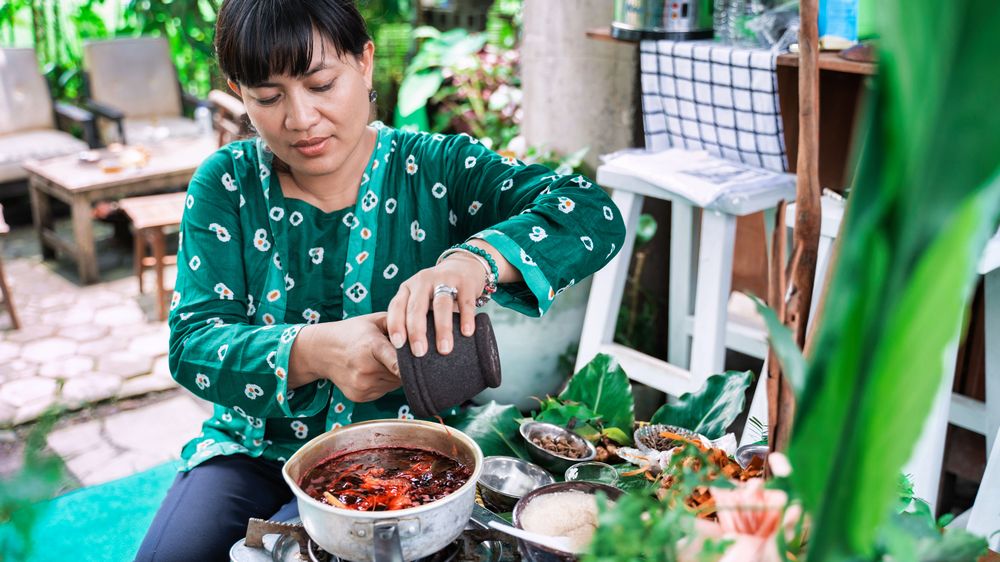
Why the Hmong and Dao Cultures Are the Heart Of the Kitchens
The grandmother who taught me at the guesthouse explained that Hmong and Dao women hold the region’s culinary secrets through generations of oral tradition. Their techniques for smoking meat, fermenting vegetables, and dyeing sticky rice with natural plant extracts create flavors you won’t find in lowland Vietnam. Though their methods seem simple, each step carries specific timing and temperature knowledge passed mother to daughter.
How French colonial vibes still linger in the local markets
Every Sapa Vietnam Food Tour morning market visit features crusty baguettes baked in wood-fired ovens alongside traditional rice cakes. I watched vendors slice fresh loaves for banh mi while selling pâté that would fit right into a Parisian charcuterie. Though the French left decades ago, their breakfast culture merged permanently with mountain eating habits.
During a Sapa Vietnam Food Tour through the central market at dawn, I noticed how seamlessly French baking traditions coexist with tribal food customs. Bakers arrive at 5 AM with wire baskets full of warm bread, parking next to Hmong women selling smoked meats and fermented bamboo shoots. The coffee shops serve Vietnamese drip coffee in the French style, but they pair it with sticky rice cakes instead of croissants.
My guesthouse owner explained that her mother learned to bake from a French missionary’s Vietnamese assistant in the 1960s, and that recipe still produces the town’s best baguettes. The colonial influence shows up in unexpected places too – you’ll find pâté mixed with local herbs, or bánh patê sô (French-style puff pastries) filled with mountain pork instead of traditional fillings.
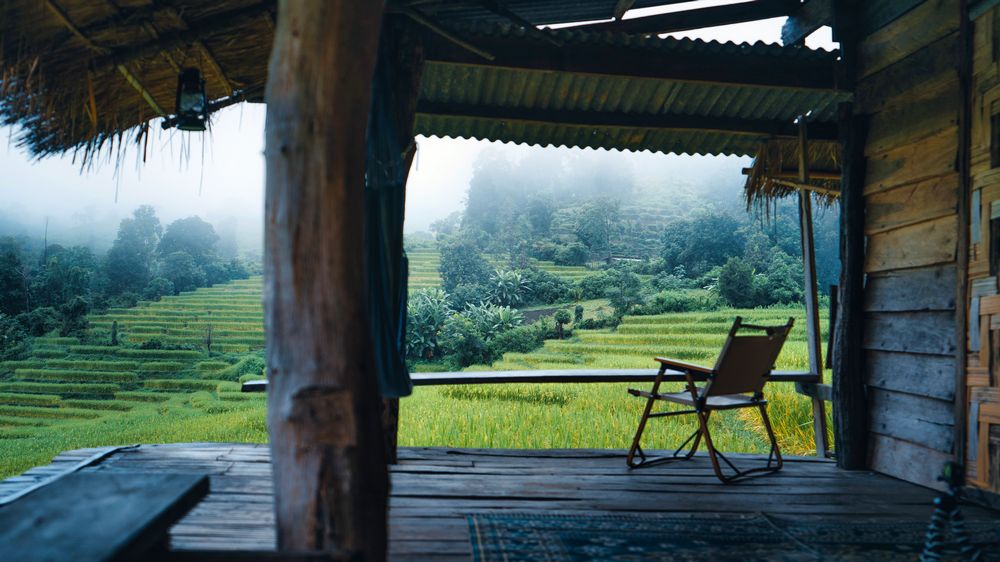
Why I Think the High Mountains Make Sapa Food Tour taste better
Cold air does something magical to your appetite and the way food develops flavor. During my Sapa Vietnam Food Tour stay with a local family, the grandmother explained that vegetables grown at high altitude concentrate their sugars differently because of the temperature swings between day and night. Everything I ate there – from the simplest cabbage stir-fry to complex meat stews – had this intense, almost sweet depth that I couldn’t replicate back home.
How the brutal winters shaped the way people eat
Freezing temperatures forced mountain communities to preserve, ferment, and smoke everything they could during harvest season. Dried buffalo meat, pickled greens, and fermented corn became staples not by choice but survival. These preservation methods created flavor profiles you just don’t find in warmer regions where fresh produce is available year-round.
Why the local soil is actually a game-changer for flavor
A Sapa Vietnam Food Tour also reveals how the region’s red clay soil sits on ancient volcanic rock, and the mineral content is completely different from the delta regions. Herbs like cilantro and mint grown here taste sharper, almost peppery. The host who taught me to cook mentioned that even potatoes have a nuttier flavor because of the iron-rich earth.
Terraced rice paddies cling to mountainsides at angles that seem impossible. The water flowing through them picks up minerals from layers of rock that have been there for millennia. Farmers rotate crops in these paddies with legumes and root vegetables, and the soil biology is incredibly active despite the cold.
I watched my host harvest carrots that were half the size of supermarket ones but twice as flavorful – dense, sweet, with an earthy finish that lingered. She laughed when I asked if she used fertilizer, pointing to the compost pile made from kitchen scraps and saying the mountain does the rest of the work.
I traveled to Hanoi last spring specifically to learn these mountain recipes from a proper cooking instructor. The class met in a narrow shophouse kitchen in the Old Quarter. Our teacher – a former hotel chef who’d grown up near Sapa – walked six of us through the layering of spices and the proper way to char vegetables over open flame.
I traveled to Hanoi last spring specifically to learn these mountain recipes from a proper cooking instructor. The class met in a narrow shophouse kitchen in the Old Quarter, where our teacher – a former hotel chef who’d grown up near Sapa – walked six of us through the layering of spices and the proper way to char vegetables over open flame.
Between chopping sessions, we’d dart out to Dong Xuan Market to source fresh herbs and hill tribe spices that smell nothing like what you’ll find in Western grocery stores. What to eat in Sa Pa town and must-try foods? became a real question I could finally answer with my hands, not just my memory.
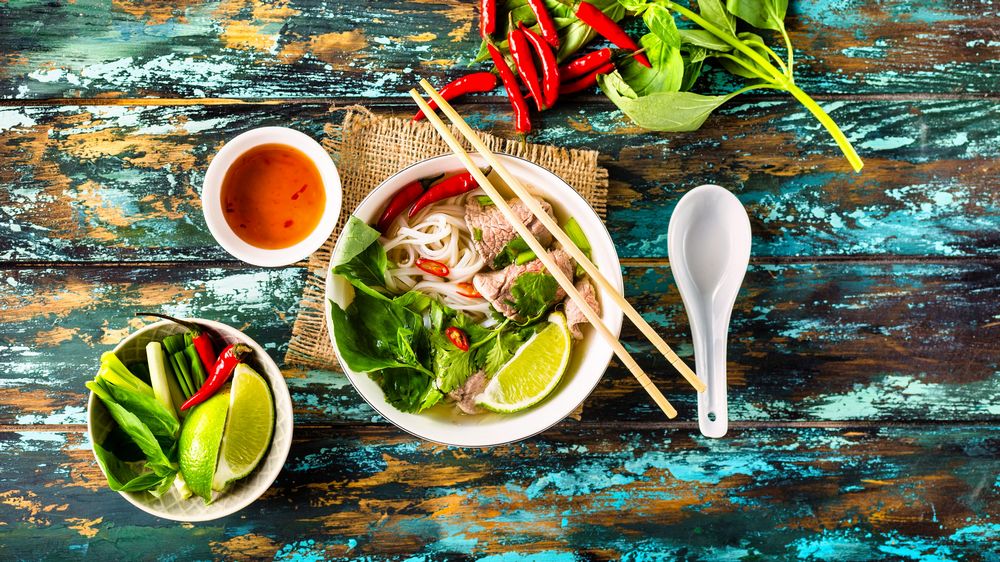
The Upsides of Bringing These Flavors to Your Own Kitchen
Cooking these dishes at home means you control the heat level, the fat content, and can adjust recipes for dietary restrictions without awkward restaurant negotiations. I’ve found that recreating Sapa Vietnam Food Tour dishes in batches lets you freeze portions for those nights when you need comfort but have zero energy. Your kitchen will smell incredible for hours.
Why You Honestly Can’t Beat the Local Mountain Air
Nothing I make in my apartment recreates a Sapa Vietnam Food Tour quite like it tasted at 1,500 meters elevation. The thinner air changes how flavors concentrate, and that perpetual cool mist does something to fresh greens that my refrigerator just can’t replicate, no matter how carefully I store them.
Eating grilled pork skewers on a Sapa Vietnam Food Tour means you’re also breathing in wood smoke mixed with pine and that particular dampness that clings to mountain valleys. The cold sharpens your appetite in a way that air conditioning never will. I’ve tried serving the same dishes on my balcony during winter, bundled in a jacket, and while it helps, you’re still missing the altitude, the genuine chill that makes hot broth feel like medicine, and honestly – the context of having just hiked three hours through terraced rice fields. Your taste buds work differently when you’ve earned the meal through physical effort and when every ingredient was grown within a few kilometers of your table.
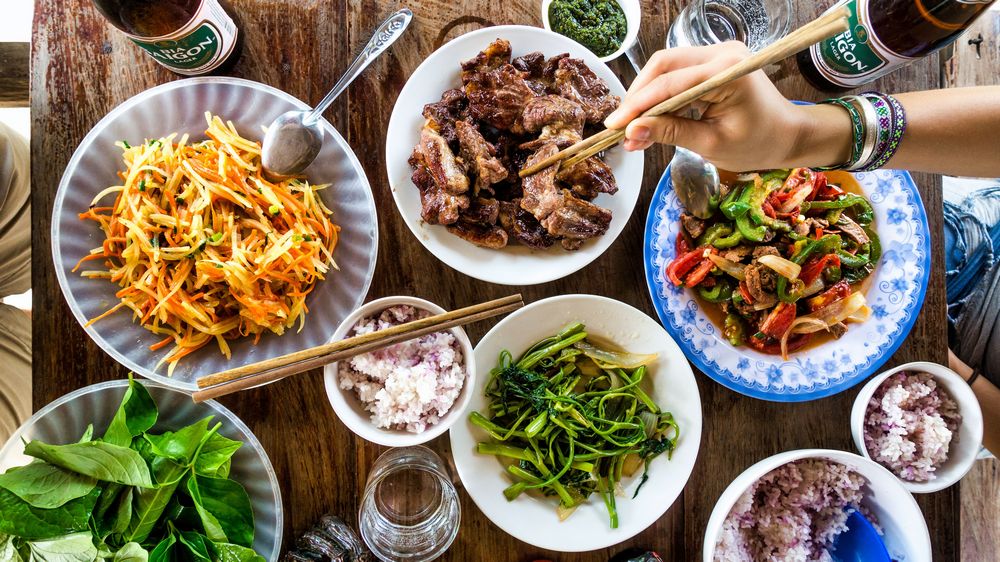
My Sapa Vietnam Food Tour Tips To Find the Real Food
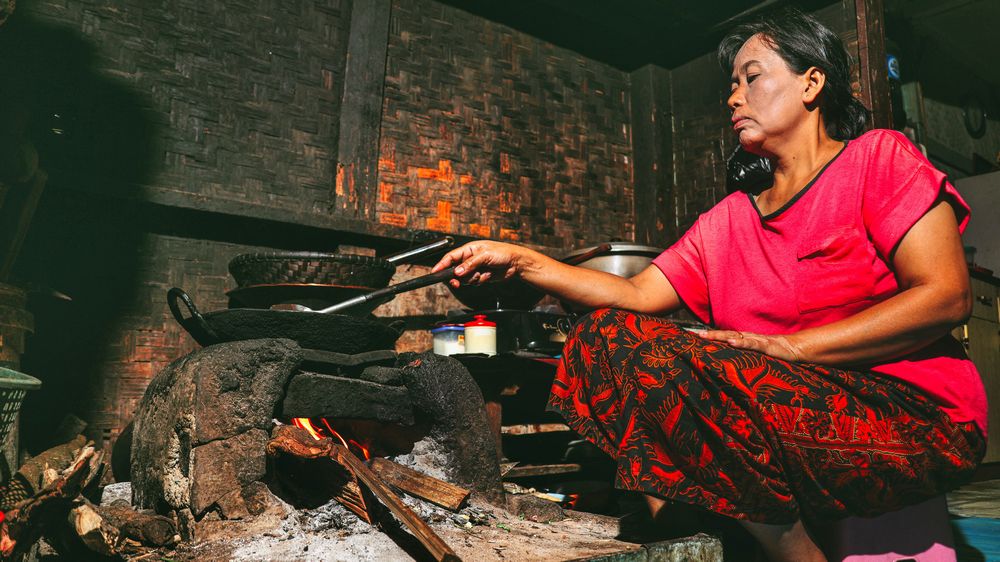
Tracking down authentic Sapa Vietnam Food Tour recipes means getting off the tourist trail and into local kitchens where grandmothers still grind spices by hand. I learned the most by staying with a Hmong family outside town, where my host showed me techniques passed down through generations.
Look for homestays in ethnic minority villages, ask your guesthouse owner for cooking tips, or join market vendors as they prep their daily ingredients. Street stalls near the main market often serve the most honest food, and if you see a place packed with locals at breakfast, that’s your signal. Check out 20 Vietnamese Recipes That’ll Transport You to the Other… for broader context on regional variations. Any dish that takes time to simmer is usually worth the wait.
How to shop the Bac Ha market like you’ve been there before
Arrive at Bac Ha market before 8 AM when vendors are still setting up and the best cuts of buffalo meat haven’t sold out. The Sunday market sprawls across multiple sections, so head straight to the food stalls in the back left corner where local families gather. Bring small bills, taste before you buy, and don’t be shy about pointing at what others are eating. Watch for the dried herbs section near the fabric vendors.
What’s the etiquette when you’re eating in a local home?
Always remove your shoes at the door and wait to be shown where to sit, as seating positions matter in traditional homes. Accept food with both hands, try everything offered even if just a small bite, and never stick your chopsticks upright in rice. Compliment the cook, but don’t over-praise or you’ll seem insincere.
Meals during a Sapa Vietnam Food Tour homestay follow a communal style where everyone eats from shared dishes placed in the center. The eldest family member typically eats first, so pause and observe before diving in. If you’re offered rice wine, accept at least one small cup to show respect, but you can politely decline refills by turning your cup upside down.
Leaving a small amount of food on your plate signals you’re satisfied, while cleaning it completely might suggest you’re still hungry. Gift-giving works well here, but avoid expensive items that might embarrass your hosts. Fruit, tea, or something small from your home country shows thoughtfulness without creating obligation.
My Sapa Vietnam Food Tour Dining Experience
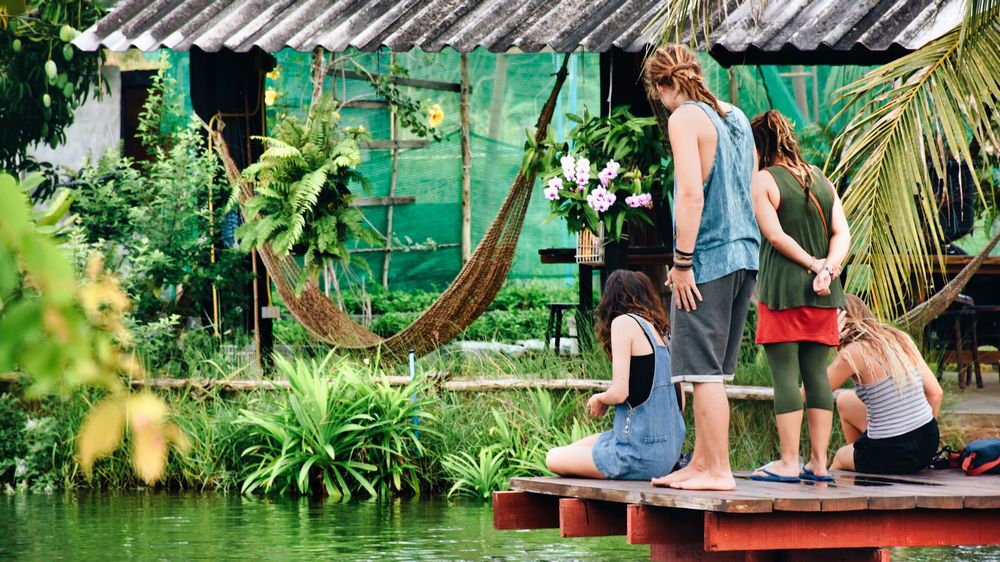
Getting the full Sapa Vietnam Food Tour experience isn’t just about cooking – it’s about understanding the rhythm of mountain life. I learned this during my stay with a Hmong family who rented me a small room in their homestay. The grandmother, Mrs. Ly, became my unofficial cooking teacher after she caught me eyeing her morning prep work.
| Morning (6-9 AM) | Market visits for fresh herbs, meat, and vegetables while they’re still dewy |
| Mid-morning (9-11 AM) | Prep work: washing greens, pounding spices, marinating proteins |
| Lunch (11 AM-1 PM) | Main cooking session over charcoal or wood fire |
| Afternoon (2-4 PM) | Slow-cooked dishes simmer; time for fermenting and preserving |
| Evening (5-7 PM) | Family-style dinner with multiple small dishes and rice wine |
First, you’ve gotta hit the morning markets
Sapa Vietnam Food Tour markets open before dawn, and the best produce disappears by 8 AM. I’d stumble down muddy paths with Mrs. Ly, watching her squeeze every vegetable and haggle in a mix of Vietnamese and Hmong. She taught me to spot fresh buffalo meat by its deep red color.
Next, learn how to handle a proper village invite
When a family invites you to eat during a Sapa Vietnam Food Tour, never refuse the rice wine. I made that mistake once and saw genuine hurt flash across my host’s face. The corn wine burns, but you sip it slowly between bites.
Village meals follow an unspoken protocol that took me weeks to grasp. You wait for the eldest to eat first, and you should try every dish on the table even if it’s just a small bite. Mrs. Ly’s daughter-in-law explained that leaving food untouched suggests the cook failed, which carries real social weight in these tight-knit communities.
The family sits on low stools around a circular tray, and dishes get passed clockwise. I noticed that choice cuts of meat always went to guests and elders first – Mrs. Ly would quietly push the fatty pork belly toward me while taking the leaner bits for herself. Rice wine toasts happen throughout the meal, not just at the start, and each person takes turns offering a small speech or blessing.
The 10 Must-Try Sapa Vietnam Dishes and Their Stories
I spent three weeks in Hanoi taking cooking classes before heading up for a Sapa Vietnam Food Tour, and my teacher, Anh Minh, taught me that mountain food tells stories you can’t learn from a recipe card.
Our class met in a narrow shophouse kitchen in the Old Quarter, where seven of us would crowd around a single wok while motorbikes roared past outside. Anh Minh had grown up in Lào Cai province and knew every dish I’d later encounter on my Sapa Vietnam Food Tour through the area’s ethnic minority communities.
She’d send us to Đồng Xuân Market at dawn to hunt for ingredients – wild herbs I’d never seen, sticky rice in five different colors, and cuts of meat I couldn’t identify. The classroom smelled like charcoal smoke and fish sauce, and we’d practice wrapping sticky rice in bamboo tubes until our hands cramped. You can find 🍽️⛰️ TOP 10 MUST-EAT DISHES IN SAPA Sapa isn’t just about misty views when you understand what each dish means to the people who’ve cooked it for generations.
Thang Co and Com Lam – What’s the Real Deal with Horse Meat and Bamboo?
Thang Co is a horse meat stew that the H’mong people traditionally serve at festivals, and yes, it tastes gamey and rich. Com Lam is sticky rice cooked inside fresh bamboo tubes over open fire, giving it a subtle woody fragrance that you can’t replicate at home.
Salmon Hotpot and Black Chicken – Honestly, These Are the Ultimate Status Symbols
On a Sapa Vietnam Food Tour, salmon hotpot became famous because trout farms dot the valley, and locals serve it bubbling with tomatoes and dill. Black chicken, meanwhile, costs three times what regular chicken does and appears at special family gatherings.
Anh Minh explained that black chicken isn’t just about the dramatic dark skin and bones – the meat itself has a firmer texture and a slightly herbal taste that Vietnamese families believe has medicinal properties. During my Sapa Vietnam Food Tour visit to a local farm outside town, the farmer showed me how these chickens roam free in the mountains, eating wild herbs and insects.
The salmon hotpot tradition started only about fifteen years ago when government programs introduced trout farming to give ethnic minority families a cash crop. Now every guesthouse serves it, but the best versions use fish pulled from the tanks that same morning, with broth so clear you can see the tomato wedges settling at the bottom.
Smoked Buffalo and Grilled Pork – How Ancient Preservation Methods Still Rule Today
The Tày and Dao people smoke buffalo meat over pine wood for weeks, creating jerky-like strips that last through winter without refrigeration. Grilled pork gets rubbed with local spices and cooked over charcoal, and it’s nothing like what you’d find in Hanoi.
During my market trips with Anh Minh, we’d stop at stalls where women sold strips of smoked buffalo hanging from bamboo poles, the meat so dark it looked almost black. She taught me that families build special smoking rooms above their cooking fires, where meat hangs for anywhere from two weeks to a month. The pine smoke gives it a resinous flavor that cuts through the richness of the buffalo fat.
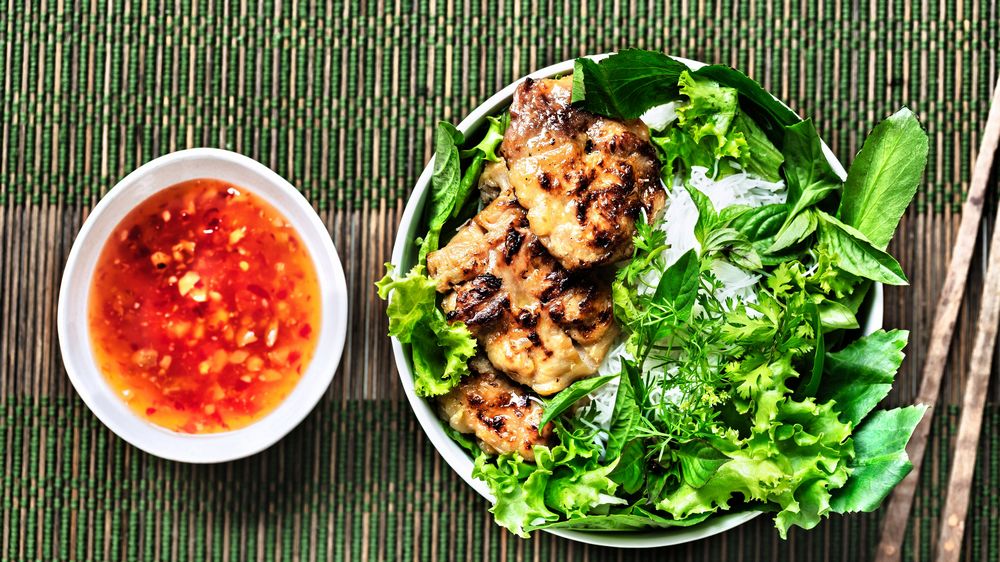
Grilled pork is another dish you’ll encounter on a Sapa Vietnam Food Tour, using cuts from pigs that forage in the forest, and vendors marinate it with mac khen – a Sichuan pepper relative that grows wild in the mountains and creates a tingling numbness on your tongue. I watched a Red Dao woman at the Bac Ha market grill pork over a tiny charco
Final Thoughts On Sapa and Its Food
I traveled to Hanoi to master the recipes and flavors I’d experienced on my Sapa Vietnam Food Tour through a cooking class led by Chef Lan, a northern Vietnamese cook who grew up in the highlands. Our small group of six explored Dong Xuan Market at dawn, selecting fresh herbs and sticky rice varieties before returning to her home kitchen where we cooked over charcoal burners, just like mountain families do.
The Best Sapa Vietnam Food Tours FAQ
Q: Do I need to travel to Sapa to find the ingredients for these recipes?
A: Not at all. When I got back to Hanoi after my Sapa Vietnam Food Tour experience, I tracked down almost everything at Dong Xuan Market and a few Vietnamese grocery stores in the Old Quarter. The black cardamom, Sichuan pepper, and dried herbs that define Sapa’s mountain cooking are available in most Asian supermarkets worldwide, especially ones with a strong Southeast Asian section.
For the fresh herbs like rau om (rice paddy herb) and kinh gioi (Vietnamese balm), you might need to substitute with Thai basil or regular mint if you can’t find them locally. The key is the technique and the layering of flavors rather than obsessing over every single authentic ingredient. My cooking teacher in Hanoi, Mrs. Lan, always said that adaptability is what keeps traditional recipes alive when people move to new places.
Q: Can I make these dishes vegetarian or vegan?
A: Most of them, yes. The grilled dishes and soups that rely on pork, buffalo, or river fish are trickier to convert without losing their soul, but I’ve done it. Swap the meat in thang co for king oyster mushrooms and firm tofu, and use vegetable stock fortified with dried shiitake for depth. The corn wine chicken becomes corn wine mushrooms with surprising success. Xoi ngu sac is already vegetarian.
Cap nach works beautifully with extra vegetables and tofu instead of meat. What you lose in umami from animal protein, you make up for with longer cooking times and more aggressive seasoning with fermented bean paste or soy sauce. One of the other students in my Hanoi cooking class was vegan, and Mrs. Lan showed us how to doctor the broths with roasted rice powder and nutritional yeast to get that same savory backbone.
Q: How spicy are Sapa recipes compared to other Vietnamese food?
A: They sit somewhere in the middle. The food you’ll encounter on a Sapa Vietnam Food Tour uses more dried chilies and Sichuan pepper than the cuisine you’d find in Saigon or even Hanoi, thanks to the Chinese influence from just across the border. But it’s not Thai-level heat or anything close to Sichuan’s mala intensity. The spice is there to warm you up in the cold mountain air rather than to punish your taste buds.
You control the heat by how much chili you add to the dipping sauces and how many dried peppers you toss into the broth. I’m pretty sensitive to spice, and I managed every dish I tried on my Sapa Vietnam Food Tour without crying. Just start conservatively and build up. Mrs. Lan taught us to always serve extra chili on the side so each person can adjust to their preference.
Q: What’s the most difficult Sapa Vietnam Food Tour recipe for a home cook to attempt?
A: Thang co, hands down. It’s not technically complicated, but it requires a specific cut of meat (or in traditional versions, horse or buffalo organs) and a willingness to simmer something for three to four hours while tending to the spice balance. The smell is intense and not everyone in your household will appreciate it.
The dish also relies on a precise ratio of cardamom, ginger, and that slightly medicinal herbal note to avoid tasting muddy. When we made a simplified version in Mrs. Lan’s kitchen, even with her guidance, two of us over-reduced our broth and ended up with something too concentrated. Start with the grilled items or xoi ngu sac if you’re new to this style of cooking. Those are far more forgiving and still give you a taste of the authentic Sapa Vietnam Food Tour experience without the all-day commitment.
Q: Can I prepare any of these recipes in advance for a dinner party?
A: Several of them actually improve with time. Thang co and cap nach both taste better the next day after the flavors marry in the fridge overnight. Xoi ngu sac can be steamed a few hours ahead and reheated gently in a steamer basket right before serving. The grilled meats and fish benefit from marinating overnight, so you can do all your prep the day before.
