Our Big Escape
Keep Your Options Open
  • Home
  • Recipe Roundups
  • World Recipes
  • About Us
  • Contact
Category:

World Recipes

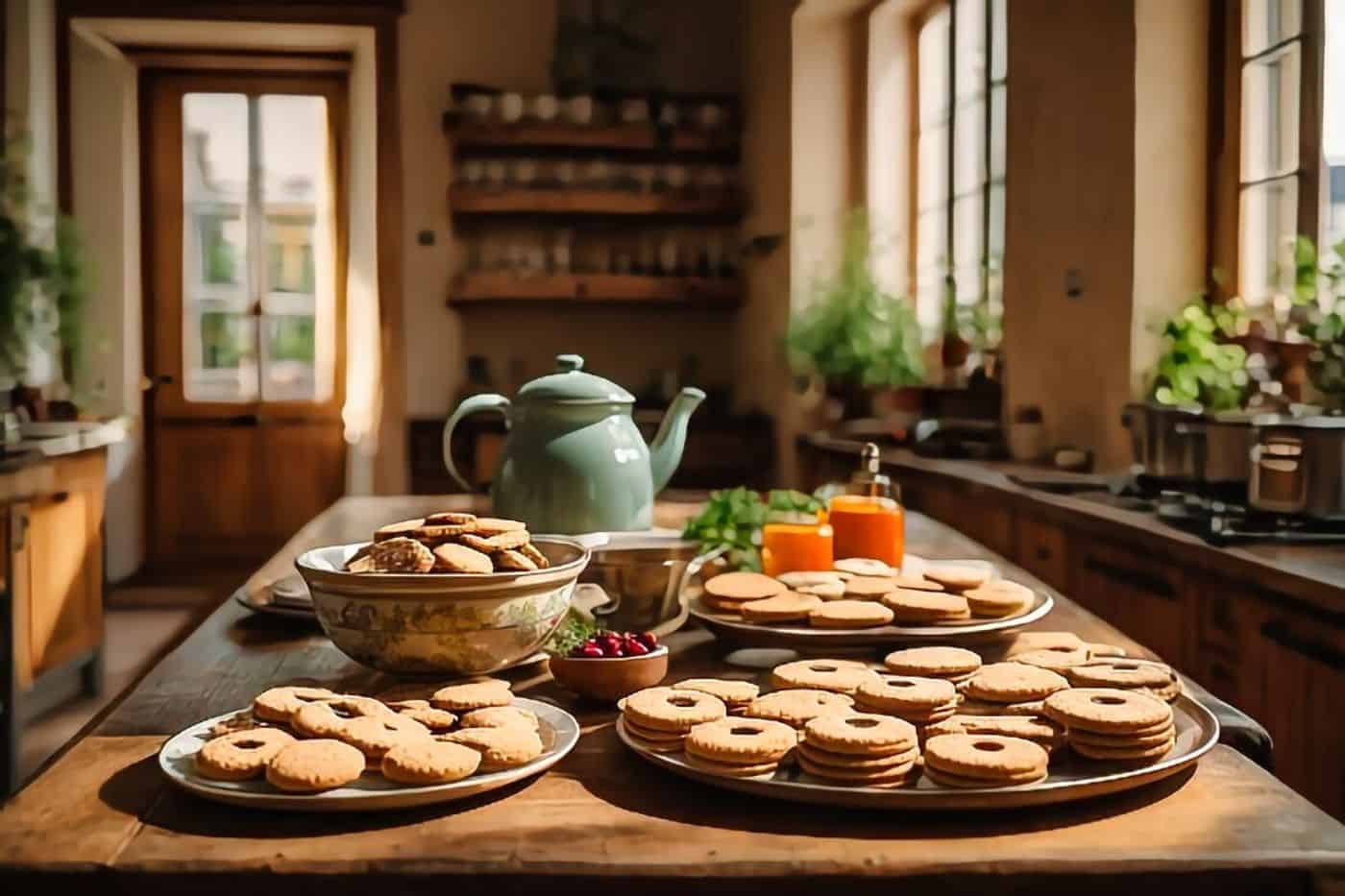
Linzer Cookies

Traditional German Linzer Cookies Recipe

by John October 15, 2023
written by John

Linzer Cookies

The Linzer Cookies Recipe is a popular dessert originating from Germany. These cookies are known for their distinctive appearance, with a top layer that features a decorative cutout revealing a jam or fruit preserve filling. The recipe has been enjoyed for generations and continues to be a favorite treat for many.

Germany Food History:

Germany has a rich food history that dates back centuries. Traditional German cuisine is characterized by hearty and wholesome dishes. Staples like sausages, sauerkraut, and rye bread have been integral to the country’s culinary heritage. Historically, food in Germany was influenced by regional variations, with each area having its own specialties.


Want more ideas for Your German Recipe Box?
A lot of great options are in these posts!

24 Traditional German Recipes/a>


You May Want to Join The World Recipes With Our Big Escape

Share your own recipes in our Facebook Group. Find recipes from all over the world. Learn more about International Cuisine and how you can surprise your family with new and exciting foods from all over the world.

For More Photos Visit Our Instagram at World Recipes Daily


Modern Food vs. Historic Food

In recent times, German cuisine has undergone significant changes. While traditional dishes are still cherished, modern Germany has embraced a more diverse culinary landscape. Global influences have led to the incorporation of new ingredients and flavors. German cuisine now features a broader range of options, including international dishes and fusion cuisine.

Linzer Cookies Recipe Food Health Benefits:

The Linzer Cookies Recipe, like many traditional desserts, is indulgent and meant for occasional enjoyment. It contains ingredients such as butter, sugar, and flour, which contribute to its delicious taste but also make it high in calories and sugar. The jam or fruit preserve filling adds some fruitiness to the cookies, but it doesn’t significantly enhance their nutritional value.

It’s important to note that Linzer Cookies are not considered a health food. They are best enjoyed in moderation as a delightful treat rather than as a source of health benefits. If you are looking for healthier snack options, it’s advisable to explore alternatives that are lower in sugar and calories.

In summary, the Linzer Cookies Recipe is a beloved German dessert with a long history, featuring a distinctive appearance and a sweet, jam-filled center. While traditional German cuisine has deep roots in hearty and wholesome dishes, modern Germany has embraced a more diverse culinary landscape influenced by global flavors. When it comes to health benefits, Linzer Cookies are a delicious indulgence but should be consumed in moderation due to their high sugar and calorie content.

Homemade German Linzer Cookies Recipe

How To Make Our Linzer Cookies Recipe

Ingredients (8 Servings)

6 cup all-purpose flour
3 cup almond flour
2 1/4 teaspoon fine sea salt*
1 1/2 teaspoon ground cinnamon (optional)
3 cup unsalted butter, room temperature
2 cup granulated white sugar
6 teaspoon vanilla extract
1 1/2 teaspoon almond extract (optional)
3 large egg
zest of 1 lemon or orange
powdered sugar, for dusting
any flavor of jam, for filling

Instructions

1. Preheat the oven to 350°F (175°C).

a. Ensure your oven is clean and in good working order.
b. Place the oven rack in the center position.
c. Allow the oven to fully preheat before proceeding.

2. In a large mixing bowl, combine 6 cups of all-purpose flour, 3 cups of almond flour, 2 1/4 teaspoons of fine sea salt, and 1 1/2 teaspoons of ground cinnamon (optional).

a. Use a whisk or a fork to thoroughly mix the dry ingredients together.
b. Make sure there are no lumps or clumps in the mixture.

3. In another bowl, cream together 3 cups of unsalted butter (at room temperature) and 2 cups of granulated white sugar.

a. Use a hand mixer or stand mixer for efficient creaming.
b. Continue mixing until the mixture is smooth and well combined.

4. Add 6 teaspoons of vanilla extract, 1 1/2 teaspoons of almond extract (optional), and the zest of 1 lemon or orange to the butter-sugar mixture.

a. Mix these ingredients in until fully incorporated.
b. The citrus zest will add a subtle flavor to the dough.

5. Beat in 3 large eggs, one at a time, into the butter-sugar mixture.

a. Add each egg and mix until it’s fully integrated before adding the next.
b. This will ensure the dough is well-mixed and uniform in texture.

6. Gradually add the dry flour mixture to the wet ingredients.

a. Add the dry mixture in batches, mixing between additions.
b. Continue until all the dry ingredients are fully incorporated, and the dough comes together.

7. Divide the dough into two equal portions and shape them into flat discs.

a. This will make it easier to roll out later.
b. Wrap each disc in plastic wrap and chill them in the refrigerator for at least 30 minutes.

8. Preheat the oven to 350°F (175°C) again after the dough has chilled.

a. Ensure the oven is fully preheated before baking the cookies.

9. On a floured surface, roll out one of the chilled dough discs to a thickness of about 1/4 inch.

a. Use a rolling pin to achieve an even thickness.
b. Dust the surface and rolling pin with flour as needed to prevent sticking.

10. Use Linzer cookie cutters to cut out the desired shapes from the rolled dough.

a. Linzer cookie cutters have a top piece with a decorative cutout and a bottom piece for the base.
b. Make sure you have both top and bottom pieces for each cookie.

11. Transfer the cutout shapes onto a parchment paper-lined baking sheet.

a. Leave enough space between each cookie to allow for expansion during baking.
b. Gather the dough scraps, reroll, and cut more cookies until the dough is used up.

12. Bake the cookies in the preheated oven for 10-12 minutes, or until they are lightly golden around the edges.

a. Keep a close eye on them to avoid overbaking.
b. The exact baking time may vary depending on your oven.

13. Let the cookies cool on the baking sheet for a few minutes, then transfer them to a wire rack to cool completely.

a. Cooling on a wire rack ensures even cooling and prevents them from becoming soggy.

14. Once the cookies are completely cooled, dust the top halves (with the decorative cutouts) with powdered sugar.

a. Use a sifter or a fine-mesh strainer for an even dusting.
b. This adds a delightful finishing touch to the cookies.

15. Pair up the cookies with the cutouts with their matching bottom halves.

a. Spread a small amount of your choice of jam or fruit preserve on the bottom halves.
b. Gently press the top halves with powdered sugar onto the jam-covered bottoms to create Linzer cookie sandwiches.

Estimated Prep Time: 45 minutes

Estimated Cooking Time: 10-12 minutes per batch (may vary)

Linzer Cookies

Pots, Pans and Cooking Equipment Needed for The Linzer Cookies Recipe

Mixing bowls
Whisk or fork for mixing dry ingredients
Hand mixer or stand mixer for creaming butter and sugar
Rolling pin for rolling out the dough
Linzer cookie cutters (top and bottom pieces for each shape)
Baking sheets
Parchment paper
Sifter or fine-mesh strainer for dusting powdered sugar
Wire racks for cooling

Best Way to Store Leftovers From The Linzer Cookies Recipe

1. Place leftover Linzer cookies in an airtight container to maintain freshness.
2. Layer cookies between sheets of parchment paper to prevent sticking.
3. Seal the container tightly to prevent air from getting in.
4. Store the container in a cool, dry place away from direct sunlight.
5. For longer storage, consider freezing the cookies in a freezer-safe container.

Tips and Tricks For Easier Creation

Use room temperature butter for easier creaming.
Chill the dough before rolling it out to prevent sticking.
Dust your work surface and rolling pin with flour to prevent sticking.
Make sure to match top and bottom cookie pieces when cutting shapes.
Be mindful of the baking time to avoid overbaking and ensure a tender texture.
Experiment with different flavors of jam or fruit preserves for unique variations.
Store Linzer cookies in layers separated by parchment paper to prevent sticking.

Side Dishes and Desserts For the The Linzer Cookies Recipe

a. Fresh fruit salad with seasonal berries and citrus segments.
b. A scoop of vanilla ice cream for a delightful contrast.
c. A cup of hot tea or coffee for a warm beverage pairing.
d. Whipped cream for added indulgence.
e. A dollop of yogurt with a drizzle of honey for a lighter option.
f. Mixed nuts for a crunchy accompaniment.

How To Serve the Linzer Cookies Recipe

a. Arrange Linzer cookies on a decorative platter for a visually appealing presentation.
b. Pair each Linzer cookie with its matching bottom piece to create sandwich cookies.
c. Place the cookies on individual dessert plates for an elegant serving.
d. Garnish with a light dusting of powdered sugar for a finishing touch.
e. Consider serving Linzer cookies as part of a dessert assortment for variety.
f. Offer guests a choice of different jam fillings for a personalized experience.

Dietary Substitution For The Linzer Cookies Recipe

1. Vegan Options for the Linzer Cookies Recipe:

a. Substitute unsalted butter with vegan butter or margarine.
b. Replace eggs with a vegan egg substitute or applesauce.
c. Use almond milk or another plant-based milk instead of dairy milk.
d. Opt for vegan powdered sugar for dusting.
e. Choose fruit preserves without added gelatin or animal products.

2. Gluten-Free Options for the Linzer Cookies Recipe:

a. Replace all-purpose flour with a gluten-free all-purpose flour blend.
b. Use almond flour that is certified gluten-free.
c. Ensure the ground cinnamon is gluten-free (some brands may contain gluten).
d. Check the jam or fruit preserve for gluten-containing additives.
e. Confirm the vanilla extract is gluten-free (pure extracts typically are).

3. Vegetarian Options for the Linzer Cookies Recipe:

a. Follow the original recipe as it is vegetarian-friendly.
b. Consider adding chopped nuts to the dough for added texture.
c. Experiment with various fruit preserve flavors for filling.
d. Use free-range or organic eggs and dairy ingredients if preferred.
e. Decorate with edible flowers or citrus zest for a unique touch.

4. Mediterranean Diet Options for the Linzer Cookies Recipe:

a. Stay true to the original recipe as it aligns with the Mediterranean diet’s moderation principle.
b. Opt for extra virgin olive oil instead of butter.
c. Use whole wheat flour or a mixture of whole wheat and almond flour for added fiber.
d. Choose a natural fruit preserve without added sugars or additives.
e. Garnish with fresh berries or pomegranate seeds for a Mediterranean twist.

5. Keto Diet Options for the Linzer Cookies Recipe:

a. Replace all-purpose flour with almond flour or a low-carb flour alternative.
b. Use a sugar substitute like erythritol or stevia instead of granulated sugar.
c. Ensure the ground cinnamon is low in carbs (some blends contain sugar).
d. Check the jam or fruit preserve for added sugars and opt for a low-carb version.
e. Adjust serving sizes to fit within your daily carb allowance.

6. Heart-Healthy Diet Options for the Linzer Cookies Recipe:

a. Choose heart-healthy fats like avocado oil or olive oil instead of butter.
b. Use whole wheat flour or a blend of whole wheat and almond flour for added fiber.
c. Opt for a fruit preserve with no added sugars or artificial sweeteners.
d. Reduce the amount of sugar in the recipe or use a sugar substitute.
e. Add ground flaxseed or chia seeds for extra Omega-3 fatty acids.

7. Paleo Options for the Linzer Cookies Recipe:

a. Substitute all-purpose flour with almond flour or coconut flour.
b. Use coconut oil or ghee instead of butter.
c. Ensure the ground cinnamon is pure and free from additives.
d. Select a fruit preserve without added sugars or preservatives.
e. Decorate with unsweetened shredded coconut for a Paleo-friendly touch.

8. Low Carb Options for the Linzer Cookies Recipe:

a. Replace all-purpose flour with almond flour or a low-carb flour blend.
b. Use a sugar substitute like erythritol or monk fruit sweetener instead of granulated sugar.
c. Choose a sugar-free fruit preserve or make your own with minimal sweeteners.
d. Adjust serving sizes to fit within your daily carb limit.
e. Monitor the carb content in your choice of milk for the dough.

9. Whole30 Options for the Linzer Cookies Recipe:

a. Use almond flour or coconut flour for a compliant flour option.
b. Substitute ghee or clarified butter for regular butter.
c. Ensure the fruit preserve is free from added sugars and additives.
d. Use a Whole30-compliant egg replacement if needed.
e. Dust with unsweetened cocoa powder for added flavor without added sugars.

10. Weight Watchers Options for the Linzer Cookies Recipe:

a. Adjust ingredient quantities to fit within your daily SmartPoints budget.
b. Use a sugar substitute with fewer SmartPoints than granulated sugar.
c. Check the SmartPoints value of your chosen fruit preserve and adjust accordingly.
d. Track the SmartPoints for any additional ingredients or variations.
e. Consider using non-fat milk or a lower SmartPoints milk alternative.

11.Low Fat Options for the Linzer Cookies Recipe:

a. Use a lower-fat margarine or spread instead of butter.
b. Select a fruit preserve with reduced or no added sugars.
c. Choose a milk alternative that is low in fat, such as skim milk or almond milk.
d. Reduce the amount of sugar in the recipe or use a sugar substitute.
e. Consider using egg whites instead of whole eggs.

12. Vegetable Variations for the Linzer Cookies Recipe:

a. Incorporate finely grated carrots or zucchini into the dough for added moisture.
b. Experiment with mashed sweet potatoes for a unique twist.
c. Add finely chopped spinach or kale for a pop of color and nutrients.
d. Use vegetable-based food coloring for decorative accents.
e. Create a vegetable-themed jam filling with ingredients like pumpkin or beetroot.

It’s always recommended to check labels, choose quality ingredients, and consult with a healthcare professional or registered dietitian for personalized advice. Please note that these substitutions are provided as options to align the recipe with various dietary preferences and restrictions. Always check labels and choose ingredients that fit your specific dietary needs. Consult with a healthcare professional or registered dietitian for personalized advice.

Linzer Cookies

FAQ About The Linzer Cookies Recipe

1. What are Linzer Cookies?
Linzer Cookies are a type of sandwich cookie with a decorative top crust and a jam or fruit preserve filling. They are known for their sweet and buttery flavor.

2. Where do Linzer Cookies originate from?
Linzer Cookies have their origins in Austria, specifically in the city of Linz. They are also popular in Germany and other European countries.

3. Can I customize the filling in Linzer Cookies?
Yes, you can customize the filling in Linzer Cookies. While traditional recipes use raspberry jam, you can choose any flavor of jam or fruit preserve to suit your preference.

4. Are Linzer Cookies difficult to make?
Linzer Cookies require some baking skills but are not overly difficult to make. The dough is made with ingredients like flour, butter, and sugar, and the cookies are assembled with a top crust.

5. What occasions are Linzer Cookies typically served at?
Linzer Cookies are often served during the holiday season, particularly Christmas. They are also popular for special occasions like weddings and tea parties due to their elegant appearance and delightful taste.

Final Thoughts

The Linzer Cookies Recipe, a delightful treat I discovered while in Iceland, has become a cherished part of my family’s dessert repertoire. These cookies have a unique charm, with their intricate design and sweet, fruity filling. Crafting these Linzer Cookies has become a beloved tradition in our home.

The Linzer Cookies Recipe brings together simple yet essential ingredients: all-purpose flour, almond flour, fine sea salt, butter, granulated sugar, vanilla extract, almond extract (optional), large eggs, and the zest of a lemon or orange. These components come together to form a rich and buttery dough that’s the foundation of these cookies.

The process of making Linzer Cookies involves preheating the oven to 350°F (175°C) and ensuring it’s clean and ready for baking. With the oven ready, the dough preparation begins. The dry ingredients, including the all-purpose and almond flours, sea salt, and optional ground cinnamon, are combined. This mixture is essential for achieving the right texture and flavor.

The Linzer Cookies Recipe then calls for creaming together room-temperature unsalted butter and granulated white sugar. This step creates a creamy, sweet base for the dough. To enhance the flavor, vanilla extract and optional almond extract are added, along with the zest of a lemon or orange for a hint of citrusy brightness.

Once the wet ingredients are combined, large eggs are added one by one, ensuring each is fully integrated before adding the next. This meticulous process results in a well-mixed and uniform dough.

The dry ingredient mixture is gradually incorporated into the wet ingredients, and the dough begins to take shape. This step is crucial for achieving the right consistency. The Linzer Cookies Recipe emphasizes the importance of achieving a smooth and lump-free dough.

With the dough ready, it’s divided into two portions, shaped into flat discs, and chilled in the refrigerator. Chilling allows the dough to firm up, making it easier to roll out later.

After the dough has rested, it’s rolled out on a floured surface to a quarter-inch thickness. Linzer cookie cutters, which consist of both top and bottom pieces for each shape, are used to cut out the cookies. The decorative top pieces feature intricate cutouts, adding to the cookies’ charm.

The cutout shapes are carefully transferred to a parchment paper-lined baking sheet. The cookies are baked in the preheated oven for 10-12 minutes until they achieve a light golden color around the edges. It’s crucial to monitor the baking time to avoid overbaking and maintain a tender texture.

Once baked, the Linzer Cookies are allowed to cool on the baking sheet for a few minutes before being transferred to a wire rack to cool completely. Cooling on a wire rack ensures even cooling and prevents them from becoming soggy.

The finishing touch involves dusting the top halves of the cookies, which feature the decorative cutouts, with powdered sugar. This step not only adds sweetness but also enhances the cookies’ visual appeal.

Linzer Cookies are typically paired, with the top and bottom halves filled with a choice of jam or fruit preserve. Raspberry jam is a classic option, but you can get creative with different flavors to suit your taste.

In conclusion, the Linzer Cookies Recipe has become a cherished part of my family’s dessert traditions, thanks to its delightful combination of rich, buttery dough and sweet, fruity filling. The intricate design and elegant appearance make these cookies a perfect addition to special occasions or holiday gatherings. Whether enjoyed in Iceland or anywhere else in the world, Linzer Cookies bring a touch of sweetness to any moment.

Linzer Cookies

Traditional Linzer Cookies Recipe

1123kcal
5 from 1 vote
Pinterest Facebook Share on X
Share Print
Prep 45 minutes mins
Cook 10 minutes mins
Total 55 minutes mins
The Linzer Cookies Recipe is a popular dessert originating from Germany. These cookies are known for their distinctive appearance, with a top layer that features a decorative cutout revealing a jam or fruit preserve filling.
Servings 12 People
Course Dessert
Cuisine German

Ingredients

  • 6 cup all-purpose flour
  • 3 cup almond flour
  • 2 1/4 teaspoon sea salt
  • 1 1/2 teaspoon cinnamon ground
  • 3 cup butter unsalted room temperature
  • 2 cup white sugar granulated
  • 6 teaspoon vanilla extract
  • 1 1/2 teaspoon almond extract optional
  • 3 large egg
  • zest of 1 lemon or orange
  • powdered sugar for dusting
  • any flavor of jam for filling

Equipment

  • Mixing bowls
  • Whisk or fork for mixing dry ingredients
  • Hand mixer or stand mixer for creaming butter and sugar
  • Rolling pin for rolling out the dough
  • Linzer cookie cutters (top and bottom pieces for each shape)
  • Baking sheets
  • Parchment paper
  • Sifter or fine-mesh strainer for dusting powdered sugar
  • Wire racks for cooling

Method

Preheat the oven to 350°F (175°C).
  1. a. Ensure your oven is clean and in good working order.
  2. b. Place the oven rack in the center position.
  3. c. Allow the oven to fully preheat before proceeding.
In a large mixing bowl, combine 6 cups of all-purpose flour, 3 cups of almond flour, 2 1/4 teaspoons of fine sea salt, and 1 1/2 teaspoons of ground cinnamon (optional).
  1. a. Use a whisk or a fork to thoroughly mix the dry ingredients together.
  2. b. Make sure there are no lumps or clumps in the mixture.
In another bowl, cream together 3 cups of unsalted butter (at room temperature) and 2 cups of granulated white sugar.
  1. a. Use a hand mixer or stand mixer for efficient creaming.
  2. b. Continue mixing until the mixture is smooth and well combined.
Add 6 teaspoons of vanilla extract, 1 1/2 teaspoons of almond extract (optional), and the zest of 1 lemon or orange to the butter-sugar mixture.
  1. a. Mix these ingredients in until fully incorporated.
  2. b. The citrus zest will add a subtle flavor to the dough.
Beat in 3 large eggs, one at a time, into the butter-sugar mixture.
  1. a. Add each egg and mix until it's fully integrated before adding the next.
  2. b. This will ensure the dough is well-mixed and uniform in texture.
Gradually add the dry flour mixture to the wet ingredients.
  1. a. Add the dry mixture in batches, mixing between additions.
  2. b. Continue until all the dry ingredients are fully incorporated, and the dough comes together.
Divide the dough into two equal portions and shape them into flat discs.
  1. a. This will make it easier to roll out later.
  2. b. Wrap each disc in plastic wrap and chill them in the refrigerator for at least 30 minutes.
Preheat the oven to 350°F (175°C) again after the dough has chilled.
  1. a. Ensure the oven is fully preheated before baking the cookies.
On a floured surface, roll out one of the chilled dough discs to a thickness of about 1/4 inch.
  1. a. Use a rolling pin to achieve an even thickness.
  2. b. Dust the surface and rolling pin with flour as needed to prevent sticking.
Use Linzer cookie cutters to cut out the desired shapes from the rolled dough.
  1. a. Linzer cookie cutters have a top piece with a decorative cutout and a bottom piece for the base.
  2. b. Make sure you have both top and bottom pieces for each cookie.
Transfer the cutout shapes onto a parchment paper-lined baking sheet.
  1. a. Leave enough space between each cookie to allow for expansion during baking.
  2. b. Gather the dough scraps, reroll, and cut more cookies until the dough is used up.
Bake the cookies in the preheated oven for 10-12 minutes, or until they are lightly golden around the edges.
  1. a. Keep a close eye on them to avoid overbaking.
  2. b. The exact baking time may vary depending on your oven.
Let the cookies cool on the baking sheet for a few minutes, then transfer them to a wire rack to cool completely.
  1. a. Cooling on a wire rack ensures even cooling and prevents them from becoming soggy.
Once the cookies are completely cooled, dust the top halves (with the decorative cutouts) with powdered sugar.
  1. a. Use a sifter or a fine-mesh strainer for an even dusting.
  2. b. This adds a delightful finishing touch to the cookies.
Pair up the cookies with the cutouts with their matching bottom halves.
  1. a. Spread a small amount of your choice of jam or fruit preserve on the bottom halves.
  2. b. Gently press the top halves with powdered sugar onto the jam-covered bottoms to create Linzer cookie sandwiches.

Nutrition

Calories1123kcalCarbohydrates94gProtein21gFat77gSaturated Fat32gPolyunsaturated Fat2gMonounsaturated Fat12gTrans Fat2gCholesterol169mgSodium821mgPotassium103mgFiber8gSugar36gVitamin A1486IUVitamin C0.01mgCalcium158mgIron5mg

Notes

Use room temperature butter for easier creaming.
Chill the dough before rolling it out to prevent sticking.
Dust your work surface and rolling pin with flour to prevent sticking.
Make sure to match top and bottom cookie pieces when cutting shapes.
Be mindful of the baking time to avoid overbaking and ensure a tender texture.
Experiment with different flavors of jam or fruit preserves for unique variations.
Store Linzer cookies in layers separated by parchment paper to prevent sticking.

Private Notes

Click here to add your own private notes.

Tried this recipe?

Let us know how it was!
October 15, 2023 0 comments
0 FacebookTwitterPinterestEmail
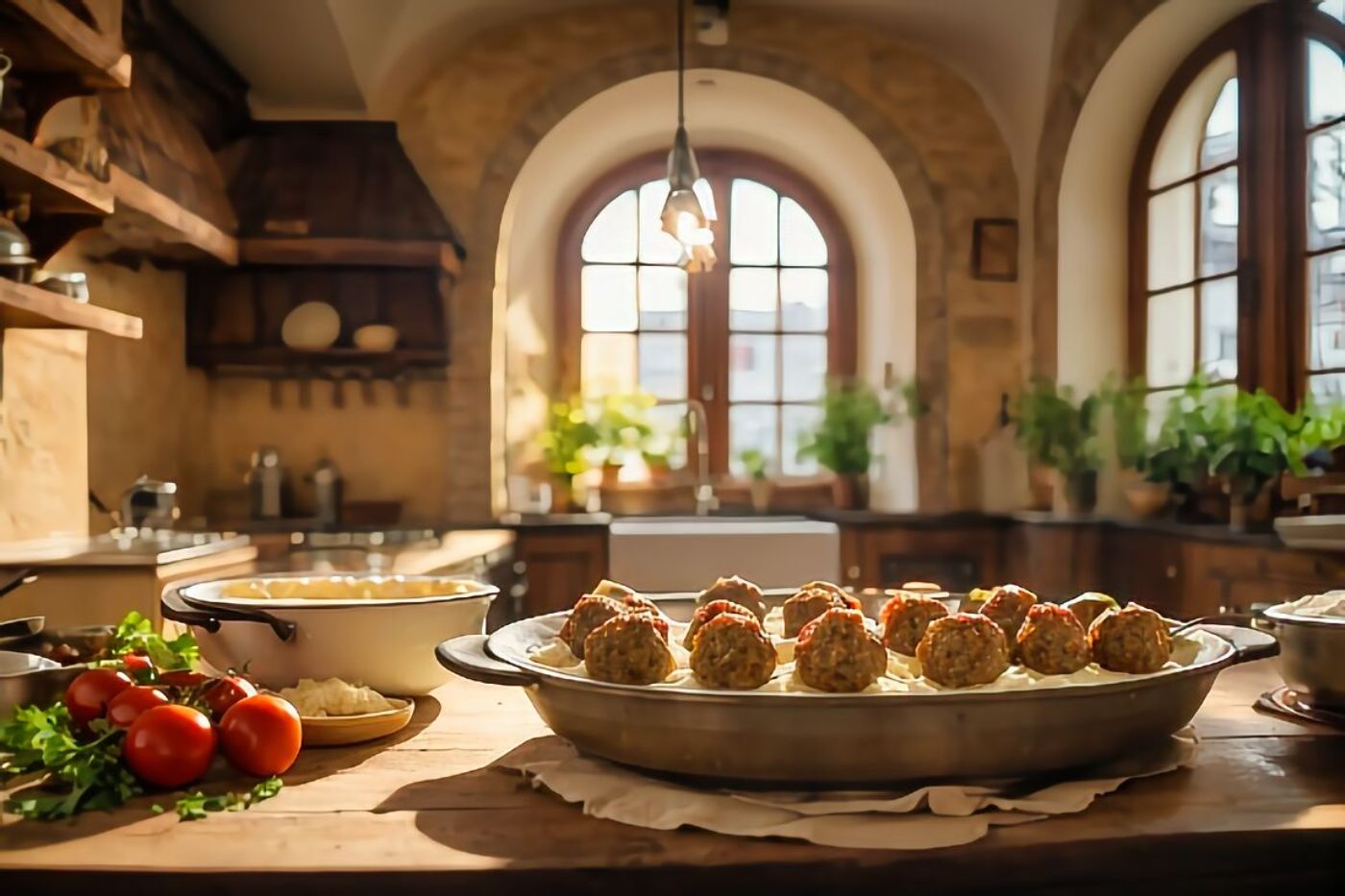
Königsberger Klopse (German Meatballs)

Königsberger Klopse (German Meatballs) Recipe

by John October 15, 2023
written by John

Königsberger Klopse (German Meatballs)

The Königsberger Klopse (German Meatballs) Recipe is a traditional German dish known for its savory meatballs served in a creamy white sauce. These meatballs are typically made from a mixture of ground meat, such as veal, pork, or beef, along with onions, bread or breadcrumbs, eggs, and various seasonings. They are usually formed into round balls and then gently simmered until cooked through. The distinctive feature of this dish is its delectable sauce, which combines ingredients like capers, lemon juice, and a rich broth, giving it a tangy and flavorful profile.

Königsberger Klopse (German Meatballs) Recipe Food Health Benefits:
The Königsberger Klopse (German Meatballs) Recipe, when prepared with lean meats and balanced ingredients, can offer several health benefits. Lean meats like veal or lean beef provide a good source of protein, essential for muscle growth and repair. Eggs in the meatball mixture contribute additional protein and essential nutrients.


Want more ideas for Your German Recipe Box?
A lot of great options are in these posts!

24 Traditional German Recipes/a>


You May Want to Join The World Recipes With Our Big Escape

Share your own recipes in our Facebook Group. Find recipes from all over the world. Learn more about International Cuisine and how you can surprise your family with new and exciting foods from all over the world.

For More Photos Visit Our Instagram at World Recipes Daily


The sauce, made with capers and lemon juice, introduces some nutritional value as well. Capers are low in calories and rich in antioxidants, which can help combat oxidative stress in the body. Lemon juice adds a tangy flavor and vitamin C, which supports the immune system and aids in the absorption of iron from meat.

Overall, the Königsberger Klopse (German Meatballs) Recipe, when enjoyed in moderation and as part of a balanced diet, can be a flavorful and nutritious addition to one’s meals.

In summary, the Königsberger Klopse (German Meatballs) Recipe is a traditional German dish consisting of savory meatballs served in a tangy white sauce. Iceland’s food history is characterized by its reliance on seafood and preservation techniques, with modern Icelandic cuisine embracing greater diversity and international influences. When prepared with lean ingredients, the dish can offer nutritional benefits, including protein and antioxidants.

Königsberger Klopse (German Meatballs)

How To Make Our Königsberger Klopse (German Meatballs) Recipe

Ingredients (8 Servings)

2 pound ground veal
Freshly ground pepper to taste
8 teaspoons butter
1 cup finely chopped onion
2 teaspoon finely minced garlic
1 cup fine fresh bread crumbs
4 tablespoons finely chopped parsley
4 tablespoons finely chopped chives
1/4 teaspoon freshly grated nutmeg
3 tablespoons flour
3 cups unsalted beef or chicken broth
1/4 cup white wine, preferably Rhine or Moselle
1/2 cup sour cream
2 egg yolk
Juice of ½ lemon
1/2 cup chopped, cored, seeded hot cherry peppers without salt

Instructions

1. Preheat the oven to 350°F (175°C).

a. Ensure your oven is clean and in good working order.
b. Place the oven rack in the center position.
c. Allow the oven to fully preheat before proceeding.

2. Prepare the Meatball Mixture:

a. In a large mixing bowl, combine 2 pounds of ground veal with freshly ground pepper to taste.
b. In a separate pan, melt 8 teaspoons of butter over medium heat.
c. Add 1 cup finely chopped onion and 2 teaspoons finely minced garlic to the pan. Sauté until they become translucent.
d. Let the sautéed onions and garlic cool slightly before adding them to the veal mixture.
e. Also, add 1 cup of fine fresh bread crumbs, 4 tablespoons of finely chopped parsley, 4 tablespoons of finely chopped chives, and 1/4 teaspoon of freshly grated nutmeg to the veal mixture.

3. Shape the Meatballs:

a. Gently mix all the ingredients in the bowl until well combined.
b. With clean hands, shape the mixture into meatballs of your desired size, typically about 2 inches in diameter.
c. Place the formed meatballs on a baking sheet lined with parchment paper.

4. Bake the Meatballs:

a. Transfer the meatballs to the preheated oven.
b. Bake them for approximately 20-25 minutes or until they are cooked through and have a golden-brown exterior.
c. Use a meat thermometer to ensure the internal temperature reaches 160°F (71°C).

5. Prepare the Sauce:

a. In a saucepan, melt 3 tablespoons of flour over medium heat, stirring constantly, until it becomes golden brown.
b. Gradually whisk in 3 cups of unsalted beef or chicken broth and 1/4 cup of white wine, preferably Rhine or Moselle.
c. Continue to whisk until the sauce thickens, which should take about 5-7 minutes.
d. Reduce the heat and add 1/2 cup of sour cream, stirring until well incorporated.
e. In a separate bowl, whisk together 2 egg yolks and the juice of half a lemon.
f. Gradually add this egg yolk mixture to the sauce while stirring continuously.
g. Finally, add 1/2 cup of chopped, cored, seeded hot cherry peppers without salt to the sauce.

6. Serve the Königsberger Klopse:

a. Once the meatballs are fully cooked, transfer them to a serving dish.
b. Pour the creamy sauce with the hot cherry peppers over the meatballs.
c. Ensure the sauce coats the meatballs evenly.
d. Garnish with additional chopped parsley or chives if desired.
e. Serve the Königsberger Klopse hot, and enjoy!

Estimated Prep Time: 30 minutes

Cooking Time: 25 minutes

Königsberger Klopse (German Meatballs)

Pots, Pans and Cooking Equipment Needed for The Königsberger Klopse (German Meatballs) Recipe

Large mixing bowl
Saucepan
Baking sheet
Whisk
Meat thermometer
Serving dish
Pan for sautéing onions and garlic

Best Way to Store Leftovers From The Königsberger Klopse (German Meatballs) Recipe

a. Transfer leftovers to an airtight container.
b. Refrigerate within 2 hours of cooking.
c. Consume within 3-4 days for optimal freshness.
d. Reheat gently on the stovetop or in the microwave.
e. Avoid freezing, as the sauce may separate upon thawing.
f. For longer storage, freeze meatballs separately from the sauce in airtight containers.

Tips and Tricks For Easier Creation

Use an ice cream scoop to portion meatball mixture for uniform size.
Make a small test meatball and cook it to check seasoning before shaping all meatballs.
Keep hands moist while shaping meatballs to prevent sticking.
Ensure the sauce thickens gradually by whisking constantly during preparation.
Adjust the amount of hot cherry peppers to control the dish’s spiciness.
Serve the meatballs with a side of mashed potatoes or egg noodles for a complete meal.
Garnish with fresh herbs for an appealing presentation.

Side Dishes and Desserts For the The Königsberger Klopse (German Meatballs) Recipe

a. Mashed potatoes
b. Buttered egg noodles
c. Steamed green beans
d. Red cabbage sauerkraut
e. Rye bread or rolls
f. Pickled beets
g. Potato salad

How To Serve the Königsberger Klopse (German Meatballs) Recipe

a. Place meatballs on a serving dish.
b. Pour the creamy sauce with hot cherry peppers over the meatballs.
c. Ensure the sauce coats the meatballs evenly.
d. Garnish with chopped parsley or chives if desired.
e. Serve hot, and enjoy!

Dietary Substitution For The Königsberger Klopse (German Meatballs) Recipe

1. Vegan Options for the Königsberger Klopse (German Meatballs) Recipe:

a. Substitute ground veal with plant-based ground meat.
b. Use vegan butter or margarine instead of regular butter.
c. Replace sour cream with dairy-free sour cream or yogurt.
d. Replace egg yolks with a vegan egg substitute like flax eggs.
e. Omit the use of chicken or beef broth; use vegetable broth instead.

2. Gluten-Free Options for the Königsberger Klopse (German Meatballs) Recipe:

a. Use gluten-free breadcrumbs or almond meal instead of regular bread crumbs.
b. Ensure the flour used is gluten-free, such as rice flour or a gluten-free all-purpose flour blend.
c. Confirm the white wine is gluten-free.
d. Serve the meatballs over gluten-free pasta or with gluten-free bread.
e. Verify that the chicken or beef broth is gluten-free.

3. Vegetarian Options for the Königsberger Klopse (German Meatballs) Recipe:

a. Substitute ground veal with a plant-based meat substitute or finely chopped mushrooms.
b. Replace beef or chicken broth with vegetable broth.
c. Use a vegetarian-friendly sour cream.
d. Keep the rest of the ingredients as listed in the original recipe.
e. Serve with vegetarian side dishes like mashed potatoes or steamed vegetables.

4. Mediterranean Diet Options for the Königsberger Klopse (German Meatballs) Recipe:

a. Maintain the original recipe, as it aligns well with the Mediterranean diet.
b. Serve the meatballs with a side of Greek salad.
c. Use extra virgin olive oil for sautéing onions and garlic.
d. Serve with whole grain rice or quinoa for added fiber.
e. Consider garnishing with fresh Mediterranean herbs like oregano or basil.

5. Keto Diet Options for the Königsberger Klopse (German Meatballs) Recipe:

a. Use almond flour instead of regular breadcrumbs.
b. Replace white wine with dry white wine or chicken broth.
c. Ensure the broth is free of added sugars.
d. Serve the meatballs with cauliflower rice or zucchini noodles.
e. Opt for full-fat sour cream to fit within keto macros.

6. Heart Healthy Diet Options for the Königsberger Klopse (German Meatballs) Recipe:

a. Use lean ground veal or lean ground beef.
b. Choose unsalted butter or a heart-healthy margarine.
c. Use whole wheat breadcrumbs for added fiber.
d. Select low-sodium chicken or beef broth.
e. Serve the meatballs with a side of steamed broccoli or mixed greens.

7. Paleo Options for the Königsberger Klopse (German Meatballs) Recipe:

a. Substitute ground veal with ground turkey or chicken.
b. Use almond flour or almond meal instead of regular breadcrumbs.
c. Replace regular butter with ghee or coconut oil.
d. Use coconut cream instead of sour cream.
e. Serve the meatballs with a paleo-friendly side dish like roasted vegetables.

8. Low Carb Options for the Königsberger Klopse (German Meatballs) Recipe:

a. Use almond flour instead of regular breadcrumbs.
b. Ensure the white wine is dry and low in carbs.
c. Serve the meatballs with a low-carb side like cauliflower mash.
d. Opt for low-carb sour cream or Greek yogurt.
e. Check that the chicken or beef broth is free of added sugars.

9. Whole 30 Options for the Königsberger Klopse (German Meatballs) Recipe:

a. Use compliant ground meat, such as ground turkey or beef.
b. Substitute almond flour for regular breadcrumbs.
c. Ensure the white wine is Whole30 compliant.
d. Serve the meatballs with cauliflower rice or a vegetable medley.
e. Confirm that the broth used is free of non-compliant additives.

10. Weight Watchers Options for the Königsberger Klopse (German Meatballs) Recipe:

a. Use lean ground veal or turkey to reduce SmartPoints.
b. Choose a low-fat or fat-free sour cream.
c. Serve the meatballs with steamed vegetables for a lower point side dish.
d. Ensure the white wine used is within your SmartPoints budget.
e. Use whole wheat breadcrumbs for added fiber and fewer points.

11. Low Fat Options for the Königsberger Klopse (German Meatballs) Recipe:

a. Use lean ground veal or turkey to reduce fat content.
b. Choose a low-fat or fat-free sour cream.
c. Substitute a minimal amount of butter or use a cooking spray.
d. Use whole wheat breadcrumbs for added fiber.
e. Serve the meatballs with a side of steamed vegetables for a low-fat meal.

12. Vegetable Variations for the Königsberger Klopse (German Meatballs) Recipe:

a. Create vegetable “meatballs” using ingredients like mushrooms, lentils, and chickpeas.
b. Substitute butter with olive oil for sautéing vegetables.
c. Replace regular sour cream with a dairy-free alternative or hummus.
d. Ensure the broth used is vegetable-based.
e. Serve the vegetable meatballs with a variety of roasted or sautéed vegetables.

It’s always recommended to check labels, choose quality ingredients, and consult with a healthcare professional or registered dietitian for personalized advice. Please note that these substitutions are provided as options to align the recipe with various dietary preferences and restrictions. Always check labels and choose ingredients that fit your specific dietary needs. Consult with a healthcare professional or registered dietitian for personalized advice.

Königsberger Klopse (German Meatballs)


FAQ About The Königsberger Klopse (German Meatballs) Recipe

What is the Königsberger Klopse (German Meatballs) Recipe?
The Königsberger Klopse (German Meatballs) Recipe is a traditional German dish featuring savory meatballs served in a creamy white sauce with capers and lemon.

What are the key ingredients used in the Königsberger Klopse (German Meatballs) Recipe?
The main ingredients in the Königsberger Klopse (German Meatballs) Recipe include ground veal, onions, garlic, breadcrumbs, parsley, chives, nutmeg, flour, broth (beef or chicken), white wine, sour cream, egg yolks, lemon juice, and hot cherry peppers.

How are the meatballs in the Königsberger Klopse (German Meatballs) Recipe typically cooked?
The meatballs are typically baked in the oven until they are cooked through and have a golden-brown exterior. They are then served with the creamy sauce.

What is the flavor profile of the Königsberger Klopse (German Meatballs) Recipe?
The Königsberger Klopse (German Meatballs) Recipe offers a balanced flavor profile with savory meatballs, a creamy and tangy sauce, and a hint of spiciness from the hot cherry peppers.

Can the Königsberger Klopse (German Meatballs) Recipe be adapted for specific dietary preferences?
Yes, the Königsberger Klopse (German Meatballs) Recipe can be adapted for various dietary preferences, such as vegetarian, vegan, gluten-free, and more, by making ingredient substitutions to align with specific dietary needs.

Final Thoughts

The Königsberger Klopse (German Meatballs) Recipe is a delightful culinary discovery that I stumbled upon during my time in Iceland. As someone who loves preparing delicious meals for my family, this German-inspired dish has become a beloved addition to our menu. It’s a savory and comforting meal that never fails to satisfy our taste buds.

What makes the Königsberger Klopse Recipe truly special is its combination of flavors and textures. The meatballs, typically made from ground veal, are tender and flavorful. They are seasoned with a touch of nutmeg, which adds a subtle and unique depth of flavor to the dish. The creamy white sauce, enriched with sour cream and brightened by lemon juice, creates a luscious contrast to the hearty meatballs.

One of the distinctive features of this recipe is the use of capers and hot cherry peppers. These ingredients bring a delightful tanginess and a hint of spiciness to the sauce, making each bite a harmonious blend of flavors. The capers, in particular, provide a burst of briny goodness that perfectly complements the richness of the sauce.

Preparing the Königsberger Klopse Recipe is a culinary adventure in itself. The process begins by mixing the ground veal with breadcrumbs, onions, garlic, parsley, chives, and nutmeg. Shaping these into meatballs and baking them to a golden perfection fills the kitchen with irresistible aromas. It’s a joy to watch the meatballs turn golden brown in the oven, promising a delicious meal ahead.

The sauce, a key component of this recipe, involves a carefully orchestrated dance of flavors. Starting with a roux made from flour and butter, it gradually thickens as you whisk in beef or chicken broth and white wine. This creates a velvety canvas for the addition of sour cream, egg yolks, lemon juice, and the star ingredients – capers and hot cherry peppers. The result is a sauce that’s creamy, tangy, and slightly spicy – a true symphony of tastes.

What’s wonderful about the Königsberger Klopse Recipe is its versatility. While the traditional recipe uses veal, you can easily adapt it to suit your dietary preferences. Ground beef or turkey can be substituted for veal, and gluten-free breadcrumbs can replace regular ones for those with gluten sensitivities. The sauce can also be adjusted to accommodate various dietary needs, such as using dairy-free sour cream for a vegan version.

When it comes to serving, the Königsberger Klopse Recipe offers flexibility. You can enjoy it as a main course with a side of mashed potatoes, buttered noodles, or even steamed vegetables. The sauce is so delicious that you’ll want to drizzle it generously over the meatballs and whatever side dish you choose.

In conclusion, the Königsberger Klopse (German Meatballs) Recipe has become a cherished part of my culinary repertoire. Its rich history, delightful combination of flavors, and adaptability make it a favorite in my household. Whether you’re an adventurous cook or simply looking to try something new, I highly recommend giving this German-inspired dish a place at your dinner table. It’s a taste of tradition and comfort that I’m sure you’ll enjoy as much as my family does.

Königsberger Klopse (German Meatballs)

Königsberger Klopse (German Meatballs) Recipe

327kcal
5 from 1 vote
Pinterest Facebook Share on X
Share Print
Prep 30 minutes mins
Cook 1 day d 1 hour hr
Total 1 day d 1 hour hr 30 minutes mins
The Königsberger Klopse (German Meatballs) Recipe is a traditional German dish known for its savory meatballs served in a creamy white sauce.
Servings 8 People
Course Main Course
Cuisine German

Ingredients

  • 2 pound veal ground
  • black pepper Freshly ground pepper to taste
  • 8 teaspoons butter
  • 1 cup onion finely chopped
  • 2 teaspoon garlic finely chopped
  • 1 cup bread crumbs fresh
  • 4 tablespoons parsley finely chopped
  • 4 tablespoons chives finely chopped
  • 1/4 teaspoon nutmeg freshly grated
  • 3 tablespoons flour
  • 3 cups broth unsalted beef or chicken
  • 1/4 cup white wine preferably Rhine or Moselle
  • 1/2 cup sour cream
  • 2 egg yolk
  • Juice of ½ lemon
  • 1/2 cup hot cherry peppers choppedcored, seeded hot cherry peppers without salt

Equipment

  • Large mixing bowl
  • Saucepan
  • Baking sheet
  • whisk
  • Meat thermometer
  • serving dish
  • Pan for sautéing onions and garlic

Method

Preheat the oven to 350°F (175°C).
  1. a. Ensure your oven is clean and in good working order.
  2. b. Place the oven rack in the center position.
  3. c. Allow the oven to fully preheat before proceeding.
Prepare the Meatball Mixture:
  1. a. In a large mixing bowl, combine 2 pounds of ground veal with freshly ground pepper to taste.
  2. b. In a separate pan, melt 8 teaspoons of butter over medium heat.
  3. c. Add 1 cup finely chopped onion and 2 teaspoons finely minced garlic to the pan. Sauté until they become translucent.
  4. d. Let the sautéed onions and garlic cool slightly before adding them to the veal mixture.
  5. e. Also, add 1 cup of fine fresh bread crumbs, 4 tablespoons of finely chopped parsley, 4 tablespoons of finely chopped chives, and 1/4 teaspoon of freshly grated nutmeg to the veal mixture.
Shape the Meatballs:
  1. a. Gently mix all the ingredients in the bowl until well combined.
  2. b. With clean hands, shape the mixture into meatballs of your desired size, typically about 2 inches in diameter.
  3. c. Place the formed meatballs on a baking sheet lined with parchment paper.
Bake the Meatballs:
  1. a. Transfer the meatballs to the preheated oven.
  2. b. Bake them for approximately 20-25 minutes or until they are cooked through and have a golden-brown exterior.
  3. c. Use a meat thermometer to ensure the internal temperature reaches 160°F (71°C).
Prepare the Sauce:
  1. a. In a saucepan, melt 3 tablespoons of flour over medium heat, stirring constantly, until it becomes golden brown.
  2. b. Gradually whisk in 3 cups of unsalted beef or chicken broth and 1/4 cup of white wine, preferably Rhine or Moselle.
  3. c. Continue to whisk until the sauce thickens, which should take about 5-7 minutes.
  4. d. Reduce the heat and add 1/2 cup of sour cream, stirring until well incorporated.
  5. e. In a separate bowl, whisk together 2 egg yolks and the juice of half a lemon.
  6. f. Gradually add this egg yolk mixture to the sauce while stirring continuously.
  7. g. Finally, add 1/2 cup of chopped, cored, seeded hot cherry peppers without salt to the sauce.
Serve the Königsberger Klopse:
  1. a. Once the meatballs are fully cooked, transfer them to a serving dish.
  2. b. Pour the creamy sauce with the hot cherry peppers over the meatballs.
  3. c. Ensure the sauce coats the meatballs evenly.
  4. d. Garnish with additional chopped parsley or chives if desired.
  5. e. Serve the Königsberger Klopse hot, and enjoy!

Nutrition

Calories327kcalCarbohydrates17gProtein26gFat17gSaturated Fat8gPolyunsaturated Fat1gMonounsaturated Fat5gTrans Fat0.2gCholesterol161mgSodium768mgPotassium462mgFiber2gSugar3gVitamin A701IUVitamin C5mgCalcium74mgIron2mg

Notes

Use an ice cream scoop to portion meatball mixture for uniform size.
Make a small test meatball and cook it to check seasoning before shaping all meatballs.
Keep hands moist while shaping meatballs to prevent sticking.
Ensure the sauce thickens gradually by whisking constantly during preparation.
Adjust the amount of hot cherry peppers to control the dish's spiciness.
Serve the meatballs with a side of mashed potatoes or egg noodles for a complete meal.
Garnish with fresh herbs for an appealing presentation.

Private Notes

Click here to add your own private notes.

Tried this recipe?

Let us know how it was!
October 15, 2023 0 comments
0 FacebookTwitterPinterestEmail
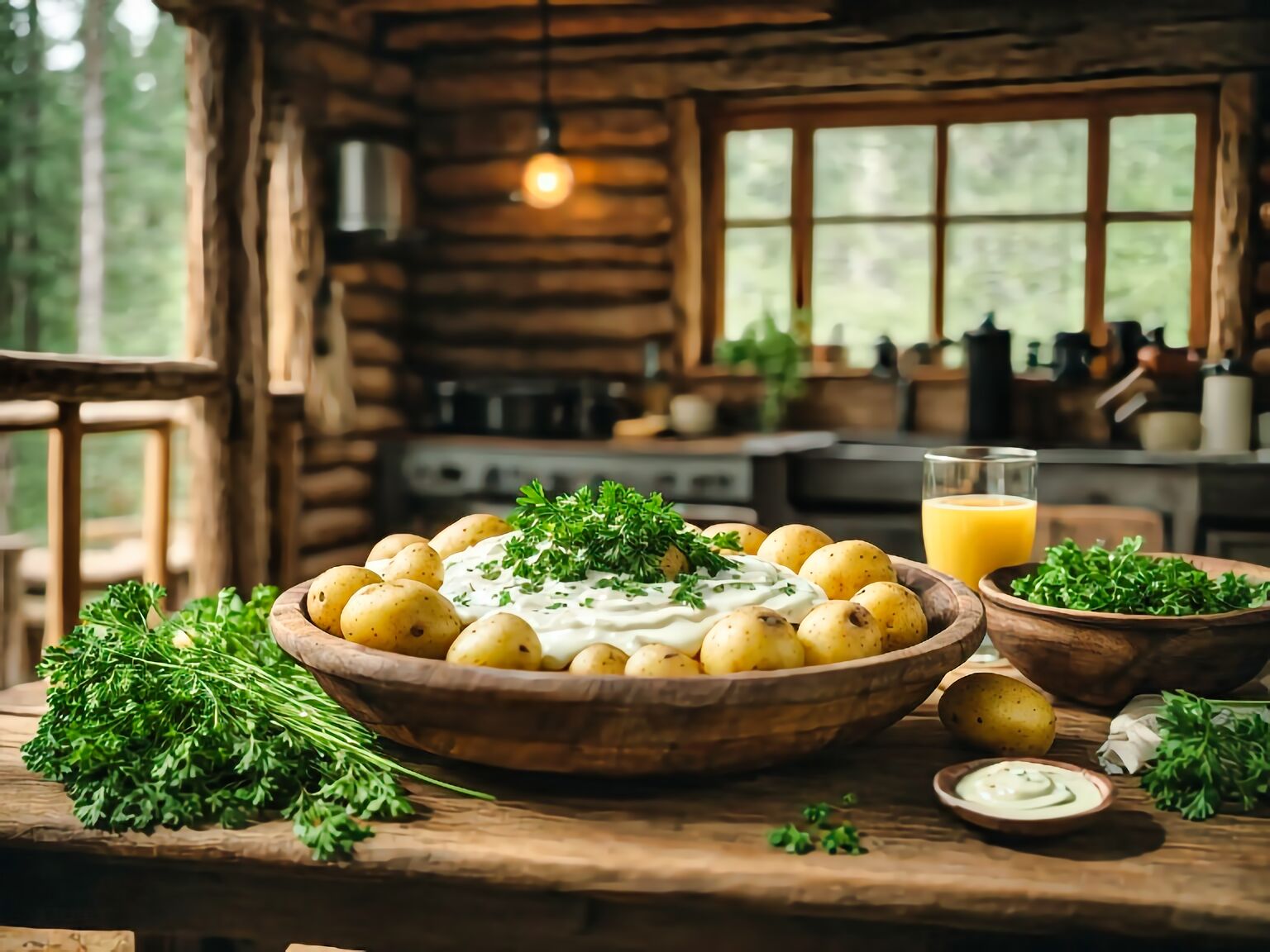
Kartöflur í Jafningi Potatoes in White Sauce Recipe

Kartöflur í Jafningi Potatoes in White Sauce Recipe

by John October 10, 2023
written by John

Kartöflur í Jafningi Potatoes in White Sauce Recipe

Kartöflur í Jafningi Potatoes in White Sauce Recipe is a traditional Icelandic dish. It has been a part of Icelandic cuisine for generations, showcasing the country’s culinary history.

Iceland Food History:

Iceland’s food history is rooted in its geographical isolation and challenging climate. Historically, Icelanders relied heavily on seafood, particularly fish, due to the abundant marine resources surrounding the island. Lamb and dairy products were also staples in their diet. These foods were essential for survival in Iceland’s harsh environment.

Modern Food vs Historic Food:

Modern Icelandic cuisine has evolved to include a wider variety of ingredients and international influences. While traditional dishes like Kartöflur í Jafningi Potatoes in White Sauce Recipe remain cherished, today’s Icelandic food scene incorporates global flavors and techniques. This transformation is partly due to increased access to imported ingredients and international culinary trends.


Want more ideas for Your Icelandic?
A lot of great options are in these posts!

15 Exciting Recipes From Iceland – Try Them All


You May Want to Join The World Recipes With Our Big Escape

Share your own recipes in our Facebook Group. Find recipes from all over the world. Learn more about International Cuisine and how you can surprise your family with new and exciting foods from all over the world.

For More Photos Visit Our Instagram at World Recipes Daily


Kartöflur í Jafningi Potatoes in White Sauce Recipe Health Benefits:

Kartöflur í Jafningi Potatoes in White Sauce Recipe, while a delicious comfort food, offers health benefits as well. Potatoes are a good source of vitamins and minerals, particularly vitamin C, potassium, and vitamin B6. These nutrients are essential for various bodily functions, including immune support, nerve function, and heart health.

The white sauce in Kartöflur í Jafningi Potatoes in White Sauce Recipe often contains dairy products, which provide calcium and protein. Calcium is crucial for strong bones and teeth, while protein is essential for muscle growth and repair.

In summary, Kartöflur í Jafningi Potatoes in White Sauce Recipe is a classic Icelandic dish deeply rooted in the country’s culinary heritage. Iceland’s food history has transitioned from a focus on survival-based ingredients to a more diverse and internationally influenced modern cuisine. While enjoying this dish, one can benefit from the nutritional value of potatoes and dairy products, which offer essential vitamins and minerals for overall health.

Kartöflur í Jafningi Potatoes in White Sauce Recipe

How To Make Our Kartöflur í Jafningi Potatoes in White Sauce Recipe

Ingredients (8 Servings)

5 large potatoes, peeled and left whole
5 tbsp butter
4 tbsp flour
3 cups milk
Pinch of freshly grated nutmeg
2 ttbsp chopped dill or other herbs,
3 cup cooked peas
White Pepper and salt to taste

Instructions

1. Peel and Prep Potatoes:

a. Peel 5 large potatoes.
b. Leave them whole.

2. Boil Potatoes:

a. Place the peeled whole potatoes in a large pot.
b. Add enough water to cover the potatoes.
c. Bring the water to a boil.
d. Cook the potatoes until they are fork-tender, approximately 15-20 minutes.
e. Drain the potatoes and set them aside to cool.

3. Make White Sauce:

a. In a saucepan, melt 5 tablespoons of butter over medium heat.
b. Add 4 tablespoons of flour and stir continuously until it forms a smooth paste (roux).
c. Gradually pour in 3 cups of milk, whisking constantly to avoid lumps.
d. Continue to cook and stir until the sauce thickens, about 5-7 minutes.
e. Season the sauce with a pinch of freshly grated nutmeg and salt to taste.

4. Assemble Potatoes:

a. Slice the boiled and cooled potatoes into rounds.
b. Arrange half of the potato rounds in a baking dish.
c. Sprinkle 2 tablespoons of chopped dill or other herbs over the potatoes.
d. Add 1.5 cups of cooked peas evenly on top.
e. Pour half of the white sauce over the potato and pea layers.

5. Layer and Finish:

a. Add the remaining potato rounds on top of the existing layers.
b. Sprinkle another 2 tablespoons of chopped dill or herbs.
c. Add the remaining 1.5 cups of cooked peas.
d. Pour the remaining white sauce evenly over the top.

6. Bake:

a. Preheat your oven to 350°F (175°C).
b. Place the assembled dish in the preheated oven.
c. Bake for about 25-30 minutes, or until the top is golden brown and the dish is heated through.

7. Serve:

a. Remove the Kartöflur í Jafningi Potatoes in White Sauce from the oven.
b. Allow it to cool for a few minutes.
c. Serve the dish warm as a delightful side or main course.

Estimated Prep Time: 30 minutes

Cooking Time: 25-30 minutes

Kartöflur í Jafningi Potatoes in White Sauce Recipe

Pots, Pans and Cooking Equipment Needed for The Kartöflur í Jafningi – Potatoes in White Sauce Recipe

Large pot for boiling potatoes
Saucepan for making white sauce
Baking dish for assembling the dish
Whisk for stirring the white sauce
Knife for slicing potatoes
Cutting board for prepping ingredients
Oven for baking

Best Way to Store Leftovers From The Kartöflur í Jafningi – Potatoes in White Sauce Recipe

a. Place leftovers in an airtight container.
b. Refrigerate within 2 hours of cooking.
c. Consume within 3-4 days.
d. Reheat in the microwave or oven.
e. Discard any leftovers showing signs of spoilage.
f. Avoid leaving leftovers at room temperature for extended periods.

Tips and Tricks For Easier Creation

Use a mandoline slicer for even potato slices.
Preheat the oven for even baking.
Season each layer of potatoes for flavor.
Stir the white sauce continuously to prevent lumps.
Experiment with different herbs for variety.
Let the dish rest for a few minutes before serving.

Side Dishes and Desserts For the The Kartöflur í Jafningi – Potatoes in White Sauce Recipe

a. Grilled vegetables
b. Green salad with vinaigrette
c. Steamed asparagus
d. Roasted chicken
e. Garlic bread
f. Pickled cucumbers
g. Creamy coleslaw

How To Serve the Rugbraud or Kartöflur í Jafningi – Potatoes in White Sauce Recipe

a. Scoop portions onto plates.
b. Garnish with fresh herbs if desired.
c. Serve as a side dish or main course.
d. Pair with suggested side dishes.
e. Enjoy a delicious Icelandic meal.
f. Reheat as needed for leftovers.

Dietary Substitution For The Kartöflur í Jafningi – Potatoes in White Sauce Recipe

1. Vegan Options for the Kartöflur í Jafningi Potatoes in White Sauce Recipe:

a. Substitute butter with vegan margarine or coconut oil.
b. Use plant-based milk (e.g., almond milk, soy milk) instead of dairy milk.
c. Replace regular flour with gluten-free or almond flour.
d. Omit the pinch of freshly grated nutmeg (optional).
e. Use a dairy-free herb sauce instead of white sauce.

2. Gluten-Free Options for the Kartöflur í Jafningi Potatoes in White Sauce Recipe:

a. Ensure all ingredients, including flour and sauces, are certified gluten-free.
b. Use gluten-free flour or a gluten-free flour blend.
c. Confirm that the nutmeg used is gluten-free.
d. Substitute regular flour with almond flour.
e. Use gluten-free white sauce.

3. Vegetarian Options for the Kartöflur í Jafningi Potatoes in White Sauce Recipe:

a. Keep all listed ingredients as they are, as they are suitable for a vegetarian diet.
b. Add more herbs or vegetables for extra flavor and variety.
c. Serve with a vegetarian protein source like tofu or tempeh.
d. Accompany with a vegetarian gravy instead of white sauce.
e. Experiment with different herb combinations.

4. Mediterranean Diet Options for the Kartöflur í Jafningi Potatoes in White Sauce Recipe:

a. Maintain the original recipe, as it aligns with the Mediterranean diet.
b. Serve with a side of Greek salad with feta and olives.
c. Use olive oil instead of butter for added Mediterranean flair.
d. Season with Mediterranean herbs like oregano and thyme.
e. Pair with grilled fish or chicken for a complete Mediterranean meal.

5. Keto Diet Options for the Kartöflur í Jafningi Potatoes in White Sauce Recipe:

a. Replace potatoes with cauliflower or turnip for a lower-carb alternative.
b. Use almond flour instead of regular flour.
c. Adjust the portion size to fit within keto macronutrient goals.
d. Serve with a keto-friendly white sauce using almond milk and xanthan gum as a thickener.
e. Pair with a keto-approved protein source like grilled chicken or steak.

6. Heart-Healthy Diet Options for the Kartöflur í Jafningi Potatoes in White Sauce Recipe:

a. Use a reduced-fat butter or a heart-healthy oil like olive oil.
b. Opt for a low-sodium white sauce.
c. Reduce salt content to suit heart health recommendations.
d. Serve with a side of steamed vegetables for added nutrition.
e. Choose herbs and spices for flavor without added sodium.

7. Paleo Options for the Kartöflur í Jafningi Potatoes in White Sauce Recipe:

a. Substitute regular potatoes with sweet potatoes.
b. Use ghee or clarified butter instead of regular butter.
c. Replace white sauce with a paleo-friendly sauce using coconut milk and arrowroot powder.
d. Season with paleo-approved herbs like rosemary and thyme.
e. Serve with grilled or roasted meat for a paleo-friendly meal.

8. Low Carb Options for the Kartöflur í Jafningi Potatoes in White Sauce Recipe:

a. Replace potatoes with cauliflower or broccoli for lower carbs.
b. Use almond flour instead of regular flour for the sauce.
c. Adjust portion sizes to fit low-carb dietary goals.
d. Serve with a low-carb white sauce using almond milk and xanthan gum as a thickener.
e. Pair with a lean protein source like grilled chicken or tofu.

9. Whole30 Options for the Kartöflur í Jafningi Potatoes in White Sauce Recipe:

a. Use ghee or clarified butter for a Whole30-compliant option.
b. Make the white sauce with coconut milk and arrowroot powder.
c. Season with Whole30-approved herbs and spices.
d. Serve with compliant protein sources like grilled fish or chicken.
e. Confirm that all ingredients meet Whole30 criteria.

10. Weight Watchers Options for the Kartöflur í Jafningi Potatoes in White Sauce Recipe:

a. Adjust portion sizes to fit within Weight Watchers point values.
b. Use reduced-fat butter or a lower-calorie butter alternative.
c. Make a lighter white sauce using skim milk and less butter.
d. Serve with a side of steamed vegetables to increase volume.
e. Calculate and track SmartPoints based on ingredient choices.

11. Low Fat Options for the Kartöflur í Jafningi Potatoes in White Sauce Recipe:

a. Use a reduced-fat butter or a low-fat margarine.
b. Opt for a low-fat or skim milk for the white sauce.
c. Keep portions moderate to reduce fat content.
d. Serve with a side of steamed or roasted vegetables.
e. Choose low-fat or fat-free herb sauces for added flavor.

12. Vegetable Variations for the Kartöflur í Jafningi Potatoes in White Sauce Recipe:

a. Experiment with different vegetables like carrots or green beans.
b. Add roasted red bell peppers for a pop of color and flavor.
c. Include sautéed mushrooms for an earthy taste.
d. Try broccoli florets for added nutrition.
e. Combine a variety of vegetables for a vegetable medley.

It’s always recommended to check labels, choose quality ingredients, and consult with a healthcare professional or registered dietitian for personalized advice. Please note that these substitutions are provided as options to align the recipe with various dietary preferences and restrictions. Always check labels and choose ingredients that fit your specific dietary needs. Consult with a healthcare professional or registered dietitian for personalized advice.

Kartöflur í Jafningi Potatoes in White Sauce Recipe

FAQ About The Kartöflur í Jafningi – Potatoes in White Sauce Recipe

What is Kartöflur í Jafningi Potatoes in White Sauce Recipe?
Kartöflur í Jafningi Potatoes in White Sauce Recipe is a traditional Icelandic dish made with whole peeled potatoes, a creamy white sauce, and herbs, often served as a side or main course.

What is the history behind Kartöflur í Jafningi Potatoes in White Sauce Recipe?
Kartöflur í Jafningi Potatoes in White Sauce Recipe reflects Iceland’s culinary history, which relies on potatoes, dairy, and seafood due to its geographical isolation and climate challenges.

Are there any health benefits associated with Kartöflur í Jafningi Potatoes in White Sauce Recipe?
Kartöflur í Jafningi Potatoes in White Sauce Recipe offers nutritional benefits, as potatoes provide vitamins and minerals, while the white sauce contains calcium and protein.

Can Kartöflur í Jafningi Potatoes in White Sauce Recipe be adapted for specific dietary preferences?
Yes, Kartöflur í Jafningi Potatoes in White Sauce Recipe can be adapted for various diets, including vegan, gluten-free, vegetarian, and low-carb options.

What are some popular side dishes to serve with Kartöflur í Jafningi Potatoes in White Sauce Recipe?
Common side dishes to accompany Kartöflur í Jafningi Potatoes in White Sauce Recipe include grilled vegetables, green salad, roasted chicken, and more, depending on personal preferences and dietary choices.

Final Thoughts

The Kartöflur í Jafningi Potatoes in White Sauce Recipe is a recipe I discovered during my time in Iceland. As someone who loves preparing this recipe for my family, I’ve come to appreciate its simplicity and deliciousness.

This Icelandic dish showcases one of the country’s recipes, relying on staple ingredients like potatoes, dairy, and herbs. The whole peeled potatoes are boiled to perfection, creating a tender and hearty base. The creamy white sauce, made with butter, flour, and milk, adds a rich and velvety texture to the dish. Herbs, like dill, bring a touch of freshness and flavor to the ensemble.

One of the things I admire about the Kartöflur í Jafningi Potatoes in White Sauce Recipe is its adaptability. Whether you follow a vegan, gluten-free, or low-carb diet, you can make substitutions to suit your preferences. For vegans, using plant-based butter and milk is a great option. Those on gluten-free diets can opt for gluten-free flour, and for low-carb enthusiasts, cauliflower can replace the potatoes.

Preparing the Kartöflur í Jafningi Potatoes in White Sauce Recipe has become a family favorte. It’s a dish that brings comfort and a taste of Iceland to our dinner table. The simplicity of the ingredients allows the flavors to shine through, making it a versatile and crowd-pleasing choice.

In Iceland, this dish is often enjoyed as a side, but in my family, we sometimes make it the main course of the meal. It pairs wonderfully with grilled chicken or fish, creating a balanced and satisfying dinner. The leftovers, if there are any, are just as delicious the next day, making it a practical choice for busy weeknights.

The Kartöflur í Jafningi Potatoes in White Sauce Recipe is a recipe that has found a special place in my heart and kitchen. Its historical roots and adaptability make it a wonderful addition to any home cook’s repertoire. Whether you’re in Iceland or anywhere else in the world, this dish is sure to bring joy to your dining experience.

Kartöflur í Jafningi Potatoes in White Sauce Recipe

Potatoes in White Sauce Recipe

278kcal
5 from 1 vote
Pinterest Facebook Share on X
Share Print
Prep 30 minutes mins
Cook 23 minutes mins
Total 53 minutes mins
Kartöflur í Jafningi Potatoes in White Sauce Recipe is a traditional Icelandic dish. It has been a part of Icelandic cuisine for generations, showcasing the country's culinary history.
Servings 8 People
Course Side Dish
Cuisine Icelandic

Ingredients

  • 5 potatoes peeled and left whole
  • 5 tablespoons butter
  • 4 tablespoons flour
  • 3 cups milk
  • Pinch nutmeg freshly grated
  • 2 tablespoons dill chopped
  • 3 cup peas cooked
  • White Pepper and salt to taste

Equipment

  • Large pot for boiling potatoes
  • Saucepan for making white sauce
  • Baking dish for assembling the dish
  • Whisk for stirring the white sauce
  • Knife for slicing potatoes
  • Cutting board for prepping ingredients
  • Oven for baking

Method

Peel and Prep Potatoes:
  1. a. Peel 5 large potatoes.
  2. b. Leave them whole.
Boil Potatoes:
  1. a. Place the peeled whole potatoes in a large pot.
  2. b. Add enough water to cover the potatoes.
  3. c. Bring the water to a boil.
  4. d. Cook the potatoes until they are fork-tender, approximately 15-20 minutes.
  5. e. Drain the potatoes and set them aside to cool.
Make White Sauce:
  1. a. In a saucepan, melt 5 tablespoons of butter over medium heat.
  2. b. Add 4 tablespoons of flour and stir continuously until it forms a smooth paste (roux).
  3. c. Gradually pour in 3 cups of milk, whisking constantly to avoid lumps.
  4. d. Continue to cook and stir until the sauce thickens, about 5-7 minutes.
  5. e. Season the sauce with a pinch of freshly grated nutmeg and salt to taste.
Assemble Potatoes:
  1. a. Slice the boiled and cooled potatoes into rounds.
  2. b. Arrange half of the potato rounds in a baking dish.
  3. c. Sprinkle 2 tablespoons of chopped dill or other herbs over the potatoes.
  4. d. Add 1.5 cups of cooked peas evenly on top.
  5. e. Pour half of the white sauce over the potato and pea layers.
Layer and Finish:
  1. a. Add the remaining potato rounds on top of the existing layers.
  2. b. Sprinkle another 2 tablespoons of chopped dill or herbs.
  3. c. Add the remaining 1.5 cups of cooked peas.
  4. d. Pour the remaining white sauce evenly over the top.
Bake:
  1. a. Preheat your oven to 350°F (175°C).
  2. b. Place the assembled dish in the preheated oven.
  3. c. Bake for about 25-30 minutes, or until the top is golden brown and the dish is heated through.
Serve:
  1. a. Remove the Kartöflur í Jafningi Potatoes in White Sauce from the oven.
  2. b. Allow it to cool for a few minutes.
  3. c. Serve the dish warm as a delightful side or main course.

Nutrition

Calories278kcalCarbohydrates38gProtein9gFat10gSaturated Fat6gPolyunsaturated Fat1gMonounsaturated Fat2gTrans Fat0.3gCholesterol30mgSodium102mgPotassium837mgFiber6gSugar9gVitamin A793IUVitamin C48mgCalcium145mgIron2mg

Notes

Use a mandoline slicer for even potato slices.
Preheat the oven for even baking.
Season each layer of potatoes for flavor.
Stir the white sauce continuously to prevent lumps.
Experiment with different herbs for variety.
Let the dish rest for a few minutes before serving.

Private Notes

Click here to add your own private notes.

Tried this recipe?

Let us know how it was!
October 10, 2023 0 comments
0 FacebookTwitterPinterestEmail
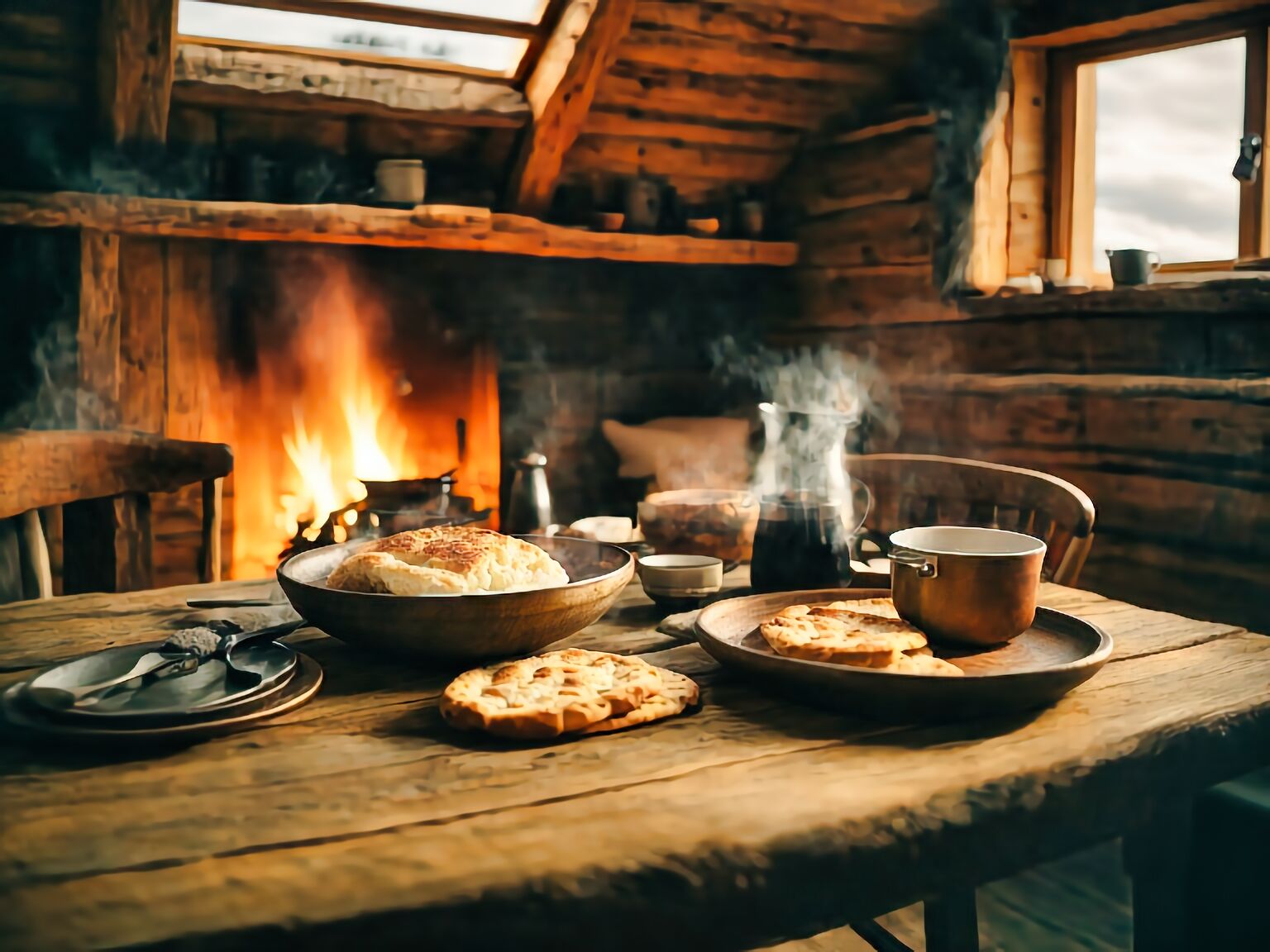
Flatkaka or Icelandic Flatbread Recipe

Flatkaka or Icelandic Flatbread Recipe

by John October 10, 2023
written by John

Flatkaka or Icelandic Flatbread Recipe

The Flatkaka or Icelandic Flatbread Recipe is a traditional Icelandic food preparation. It has been a part of Icelandic cuisine for generations and is deeply rooted in the country’s culinary heritage. This flatbread is distinct in its simplicity and versatility, making it a staple in many Icelandic households. While not divulging the specific ingredients or cooking instructions, we will delve into its historical significance, its evolution in modern times, and its potential health benefits.


Want more ideas for Your Icelandic?
A lot of great options are in these posts!

15 Exciting Recipes From Iceland – Try Them All


You May Want to Join The World Recipes With Our Big Escape

Share your own recipes in our Facebook Group. Find recipes from all over the world. Learn more about International Cuisine and how you can surprise your family with new and exciting foods from all over the world.

For More Photos Visit Our Instagram at World Recipes Daily


Iceland Food History:

Iceland’s food history is characterized by its connection to the land and sea. Historically, the harsh climate and limited agricultural resources led Icelanders to rely heavily on fishing and sheep farming for sustenance. This historical context laid the foundation for dishes like Flatkaka or Icelandic Flatbread Recipe, as it was crucial to create long-lasting and nutrient-rich foods that could withstand the challenges of Iceland’s environment.

Modern Food vs Historic Food:

Comparing historic Iceland food to modern Iceland food reveals significant differences shaped by advancements in transportation and technology. In the past, traditional recipes like Flatkaka or Icelandic Flatbread Recipe were essential for survival during the long, harsh winters. Today, with improved access to global ingredients and modern cooking methods, Icelandic cuisine has expanded its horizons. While traditional recipes still hold a special place in Icelandic culture, modern Icelandic food features a more diverse range of ingredients and flavors, reflecting global culinary influences.

Flatkaka or Icelandic Flatbread Recipe Health Benefits:

Flatkaka or Icelandic Flatbread Recipe, like many traditional foods, offers unique health benefits. Its simple composition ensures it is easy to digest and gentle on the stomach. It has been a valuable source of sustenance for Icelanders in challenging conditions. While not a comprehensive source of vitamins and minerals, it provides essential nutrients, such as carbohydrates, fiber, and a modest amount of protein. Additionally, its long shelf life has historically made it a reliable food source during harsh winters and difficult times.

In summary, the Flatkaka or Icelandic Flatbread Recipe is a significant part of Iceland’s culinary heritage, deeply intertwined with its history and culture. It has evolved from being a necessity for survival to a cherished traditional dish in modern times. While not a superfood, it offers nutritional benefits and a taste of Iceland’s rich culinary traditions.

Flatkaka or Icelandic Flatbread Recipe

How To Make Our Flatkaka or Icelandic Flatbread Recipe

Ingredients (8 Servings)

2 cups plain flour
1/4 cup Manitoba flour
3/4 cup Ølands flour If you can get it, if not use either plain flour or Manitoba
1 1/4 cup rye finely ground
1/2 cup whole wheat flour I use corsely ground
1/2-1 tsp salt
1/2 tsp baking soda
1/2 tsp baking powder
1 1/2 tsp sugar
1/2 cup oats the same thing you use to make oatmeal
1 tbsp malt syrup or you can use whatever form of syrup or molasses \
2 cups boiling water
1 tbsp vegetable oil use a oil that is taste nutral

Instructions

1. Mixing the Dry Ingredients:

a. In a large mixing bowl, combine 2 cups plain flour, 1/4 cup Manitoba flour, 3/4 cup Ølands flour (or substitute with plain flour or Manitoba), 1 1/4 cups finely ground rye, 1/2 cup coarsely ground whole wheat flour.
b. Add 1/2-1 tsp of salt, 1/2 tsp baking soda, 1/2 tsp baking powder, and 1 1/2 tsp sugar to the dry ingredients.
c. Mix these dry ingredients thoroughly until well combined.

2. Incorporating Oats and Malt Syrup.

a. Add 1/2 cup oats to the dry mixture.
b. Drizzle 1+ tbsp of malt syrup (you can use your preferred syrup or molasses) into the mixture.
c. Stir these ingredients together until they are evenly distributed.

3. Adding Boiling Water.

a. Pour 2 cups of boiling water into the dry ingredients.
b. Mix the ingredients with a spoon until they form a cohesive dough.

4. Kneading the Dough.

a. Once the dough is cool enough to handle, transfer it to a floured surface.
b. Knead the dough for about 5 minutes until it becomes smooth and elastic.

5. Dividing the Dough.

a. Divide the dough into 8 equal portions.
b. Shape each portion into a small ball.

6. Rolling Out the Flatbreads.

a. Take one dough ball and flatten it with your hands.
b. Roll it out on a floured surface into a thin circle, about 6-8 inches in diameter.
c. Repeat this process for all 8 portions of dough.

7. Cooking the Flatbreads.

a. Heat a non-stick skillet or griddle over medium-high heat.
b. Place one flatbread in the skillet and cook for about 2-3 minutes on each side, or until it puffs up and turns golden brown.
c. Repeat this step for the remaining flatbreads, cooking one at a time.

8. Serving.

a. Serve the Flatkaka warm as a side dish or accompaniment to other Icelandic dishes.
b. Enjoy your homemade Icelandic Flatbread!

Estimated Prep Time: 20 minutes

Cooking Time (per flatbread): 5-6 minutes

Flatkaka or Icelandic Flatbread Recipe

Pots, Pans and Cooking Equipment Needed for The Flatkaka – Icelandic Flatbread Recipe

Large mixing bowl
Skillet or griddle
Rolling pin
Spoon for mixing
Measuring cups and spoons
Flat surface for kneading and rolling out dough

Best Way to Store Leftovers From The Flatkaka – Icelandic Flatbread Recipe

a. Store leftovers in an airtight container to keep them fresh.
b. Place a piece of parchment paper between each flatbread to prevent sticking.
c. Refrigerate leftover flatbreads for up to 3-4 days.
d. You can also freeze them for longer storage, wrapping each flatbread individually in plastic wrap and then placing them in a freezer-safe bag or container.
e. When reheating, you can use a skillet or microwave.

Tips and Tricks For Easier Creation

Keep the dough portions covered with a clean kitchen towel while working on one flatbread to prevent drying.
Use a well-floured surface when rolling out the dough to prevent sticking.
Adjust the thickness of the flatbreads according to your preference.
Experiment with different types of syrup or molasses for a unique flavor.
Cooking on a non-stick skillet or griddle helps prevent sticking.

Side Dishes and Desserts For the The Flatkaka – Icelandic Flatbread Recipe

a. Smoked salmon with cream cheese and dill.
b. Pickled herring and onions.
c. Icelandic skyr with honey and berries.
d. Sliced cheese and cured meats.
e. Butter and Icelandic rhubarb jam.
f. Traditional Icelandic soups like lamb soup or fish soup.
g. Fresh vegetables and hummus.

How To Serve the Rugbraud or Flatkaka – Icelandic Flatbread Recipe

a. Serve the flatbreads warm as a side dish or accompaniment to other Icelandic dishes.
b. Arrange them on a platter or in a basket for easy serving.
c. Consider placing some of the suggested side dishes alongside the flatbreads for a complete Icelandic meal.
d. Let your guests customize their toppings or fillings as desired.
e. Enjoy the simple and rustic flavors of this traditional Icelandic flatbread.

Dietary Substitution For The Flatkaka – Icelandic Flatbread Recipe

1. Vegan Options for the Flatkaka or Icelandic Flatbread Recipe:&lt
a. Substitute honey for malt syrup to make it vegan-friendly.
b. Use a plant-based oil, such as coconut or canola oil, instead of vegetable oil.
c. Replace dairy-based butter for greasing with vegan margarine or a non-dairy spread.
d. Opt for plant-based milk in place of boiling water for a different texture.
e. Choose agave syrup as a vegan alternative to malt syrup.

2. Gluten-Free Options for the Flatkaka or Icelandic Flatbread Recipe:

a. Use gluten-free all-purpose flour as a substitute for plain flour.
b. Replace Manitoba flour with a gluten-free flour blend.
c. Omit the Ølands flour or use a gluten-free alternative.
d. Opt for gluten-free oats to replace regular oats.
e. Ensure that the baking powder and baking soda are certified gluten-free.

3. Vegetarian Options for the Flatkaka or Icelandic Flatbread Recipe:
a. No specific substitutions are needed for this vegetarian recipe as it already aligns with a vegetarian diet.

. Mediterranean Diet Options for the Flatkaka or Icelandic Flatbread Recipe:

a. Embrace the Mediterranean diet by incorporating extra virgin olive oil instead of vegetable oil.
b. Serve the flatbreads with a Mediterranean-inspired topping like chopped tomatoes, cucumbers, and olives.
c. Accompany the flatbreads with a side of tzatziki sauce for a Mediterranean twist.

5. Keto Diet Options for the Flatkaka or Icelandic Flatbread Recipe:
a. Replace the plain flour, Manitoba flour, and Ølands flour with almond flour or coconut flour.
b. Use a sugar substitute like erythritol or stevia instead of sugar.
c. Reduce the oats or omit them entirely to lower carb content.
d. Consider using ghee instead of vegetable oil for a keto-friendly fat source.
e. Ensure all ingredients align with keto guidelines by checking labels for hidden carbs.

6. Heart Healthy Diet Options for the Flatkaka or Icelandic Flatbread Recipe:

a. Opt for whole wheat flour to increase fiber content and heart-healthy benefits.
b. Choose a cooking oil with heart-healthy fats like olive oil or canola oil.
c. Use a minimal amount of salt or consider a salt substitute for reduced sodium intake.
d. Serve the flatbreads with heart-healthy toppings like avocado slices and smoked salmon.
e. Increase the whole grain content by using more rye flour in the recipe.

7. Paleo Options for the Flatkaka or Icelandic Flatbread Recipe:

a. Replace all-purpose flour with almond flour or coconut flour.
b. Omit the oats entirely to adhere to a paleo diet.
c. Choose a paleo-friendly sweetener like honey or maple syrup instead of sugar.
d. Use coconut oil in place of vegetable oil.
e. Ensure the baking soda and baking powder are paleo-approved.

8. Low Carb Options for the Flatkaka or Icelandic Flatbread Recipe

a. Substitute almond flour or flaxseed meal for plain flour to reduce carbs.
b. Use a sugar substitute like erythritol or stevia instead of sugar.
c. Lower the carb content further by omitting oats.
d. Choose a low-carb oil like avocado oil in place of vegetable oil.
e. Adjust the amount of rye flour to control carb intake.

9. Whole 30 Options for the Flatkaka or Icelandic Flatbread Recipe:
a. Use almond flour or coconut flour to replace plain flour for a Whole30-friendly option.
b. Skip the sugar and use a compliant sweetener if desired.
c. Omit the oats to align with Whole30 guidelines.
d. Opt for ghee or clarified butter instead of vegetable oil.
e. Ensure that all ingredients meet Whole30 criteria, checking labels for additives and sugar.

10. Weight Watchers Options for the Flatkaka or Icelandic Flatbread Recipe:

a. Adjust portion sizes to fit your Weight Watchers points budget.
b. Use a sugar substitute with lower points value instead of sugar.
c. Be mindful of portion control when enjoying the flatbreads with side dishes.
d. Use a cooking spray instead of butter or oil to reduce points.
e. Calculate the total points value for the recipe based on your specific ingredient choices.

11. Low Fat Options for the Flatkaka or Icelandic Flatbread Recipe:

a. Use a fat-free cooking spray instead of vegetable oil.
b. Omit the oats to reduce fat content.
c. Select a sugar-free sweetener to cut down on added fats.
d. Ensure all dairy ingredients are low-fat or fat-free options.
e. Be mindful of portion sizes to control overall fat intake.

12. Vegetable Variations for the Flatkaka or Icelandic Flatbread Recipe:

a. Incorporate finely chopped spinach or kale into the dough for added greens.
b. Mix grated carrots or zucchini into the dough for extra veggies.
c. Experiment with roasted garlic cloves or sundried tomatoes for unique flavors.
d. Top the flatbreads with thinly sliced cucumbers, bell peppers, and cherry tomatoes for a fresh veggie twist.
e. Serve the flatbreads with a side of mixed greens and a lemon vinaigrette dressing for a complete vegetable-centered meal.

It’s always recommended to check labels, choose quality ingredients, and consult with a healthcare professional or registered dietitian for personalized advice. Please note that these substitutions are provided as options to align the recipe with various dietary preferences and restrictions. Always check labels and choose ingredients that fit your specific dietary needs. Consult with a healthcare professional or registered dietitian for personalized advice.

Flatkaka or Icelandic Flatbread Recipe

FAQ About The Flatkaka – Icelandic Flatbread Recipe

What is the origin of the Flatkaka or Icelandic Flatbread Recipe?
The Flatkaka or Icelandic Flatbread Recipe has its origins deeply rooted in Icelandic culinary tradition. It has been a staple of Icelandic cuisine for generations.

What are the key ingredients in the Flatkaka or Icelandic Flatbread Recipe?
The main ingredients in the Flatkaka or Icelandic Flatbread Recipe include plain flour, Manitoba flour, Ølands flour (or suitable alternatives), finely ground rye, whole wheat flour, salt, baking soda, baking powder, sugar, oats, malt syrup (or other syrups), boiling water, and vegetable oil.

How is the Flatkaka or Icelandic Flatbread Recipe traditionally served?
Traditionally, Flatkaka is served warm and can be accompanied by various toppings, such as smoked salmon, pickled herring, butter, and Icelandic rhubarb jam. It is often served as a side dish or an accompaniment to other Icelandic dishes.

Can the Flatkaka or Icelandic Flatbread Recipe be adapted to suit dietary preferences?
Yes, the recipe can be adapted to suit various dietary preferences. For example, it can be made vegan by using plant-based ingredients, gluten-free by using suitable flour substitutes, or keto-friendly by adjusting the ingredients to align with the keto diet.

How long can leftover Flatkaka Icelandic Flatbread be stored, and what is the best way to store it?
Leftover Flatkaka can be stored in an airtight container for up to 3-4 days in the refrigerator. For longer storage, it can be individually wrapped and frozen. When reheating, a skillet or microwave can be used to warm it up.

Final Thoughts

The Flatkaka or Icelandic Flatbread Recipe holds a special place in my heart, discovered during my travels in Iceland. This traditional Icelandic delicacy has become a cherished part of our family gatherings, and I take pride in preparing it for my loved ones.

The Flatkaka or Icelandic Flatbread Recipe is a testament to the rich culinary heritage of Iceland. Its roots run deep in the country’s history, offering a taste of tradition that has been passed down through generations.

Crafting this flatbread is a straightforward yet rewarding process. The combination of plain flour, Manitoba flour, rye, whole wheat flour, salt, baking soda, baking powder, sugar, oats, malt syrup, boiling water, and vegetable oil results in a simple yet delicious treat. Its preparation involves mixing the dry ingredients, adding boiling water, kneading the dough, and then rolling it into thin circles before cooking on a skillet.

Traditionally, the Flatkaka is served warm, making it the perfect accompaniment to other Icelandic dishes. It pairs wonderfully with smoked salmon, pickled herring, and various toppings that highlight the flavors of Iceland.

What’s truly remarkable about the Flatkaka or Icelandic Flatbread Recipe is its adaptability. Whether you follow a vegan, gluten-free, or low-carb diet, this recipe can be tailored to meet your dietary preferences. Its versatility makes it a favorite in our household, ensuring everyone can enjoy it.

Storing leftover Flatkaka is a breeze; simply place it in an airtight container in the refrigerator for a few days or freeze it for extended freshness. Reheating can be done quickly on a skillet or in the microwave, making it convenient for busy days.

In conclusion, the Flatkaka or Icelandic Flatbread Recipe has become more than just a recipe; it’s a connection to the culture and traditions of Iceland. It’s a taste of the past brought into the present, and I treasure every moment spent sharing it with my family.

Flatkaka or Icelandic Flatbread Recipe

Flatkaka or Icelandic Flatbread Recipe

320kcal
5 from 1 vote
Pinterest Facebook Share on X
Share Print
Prep 20 minutes mins
Cook 5 minutes mins
Total 25 minutes mins
The Flatkaka or Icelandic Flatbread Recipe is a traditional Icelandic food preparation. It has been a part of Icelandic cuisine for generations and is deeply rooted in the country's culinary heritage.
Servings 8 Servings
Course bread
Cuisine Icelandic

Ingredients

  • 2 cups flour
  • 1/4 cup flour Manitoba
  • 3/4 cup Ølands flour If you can get it if not use either plain flour or Manitoba
  • 1 1/4 cup rye finely ground
  • 1/2 cup flour whole wheat use corsely ground
  • 1/2-1 tsp salt
  • 1/2 tsp baking soda
  • 1/2 tsp baking powder
  • 1 1/2 tsp sugar
  • 1/2 cup oats the same thing you use to make oatmeal
  • 1 tbsp malt syrup you can use whatever form of syrup or molasses ou want
  • 2 cups boiling water
  • 1 tbsp vegetable oil use a oil that is taste nutral

Equipment

  • Large mixing bowl
  • Skillet or griddle
  • Rolling Pin
  • Spoon for mixing
  • Measuring cups and spoons
  • Flat surface for kneading and rolling out dough

Method

Mixing the Dry Ingredients:
  1. a. In a large mixing bowl, combine 2 cups plain flour, 1/4 cup Manitoba flour, 3/4 cup Ølands flour (or substitute with plain flour or Manitoba), 1 1/4 cups finely ground rye, 1/2 cup coarsely ground whole wheat flour.
  2. b. Add 1/2-1 tsp of salt, 1/2 tsp baking soda, 1/2 tsp baking powder, and 1 1/2 tsp sugar to the dry ingredients.
  3. c. Mix these dry ingredients thoroughly until well combined.
Incorporating Oats and Malt Syrup:
  1. a. Add 1/2 cup oats to the dry mixture.
  2. b. Drizzle 1+ tbsp of malt syrup (you can use your preferred syrup or molasses) into the mixture.
  3. c. Stir these ingredients together until they are evenly distributed.
Adding Boiling Water:
  1. a. Pour 2 cups of boiling water into the dry ingredients.
  2. b. Mix the ingredients with a spoon until they form a cohesive dough.
Kneading the Dough:
  1. a. Once the dough is cool enough to handle, transfer it to a floured surface.
  2. b. Knead the dough for about 5 minutes until it becomes smooth and elastic.
Dividing the Dough:
  1. a. Divide the dough into 8 equal portions.
  2. b. Shape each portion into a small ball.
Rolling Out the Flatbreads:
  1. a. Take one dough ball and flatten it with your hands.
  2. b. Roll it out on a floured surface into a thin circle, about 6-8 inches in diameter.
  3. c. Repeat this process for all 8 portions of dough.
Cooking the Flatbreads:
  1. a. Heat a non-stick skillet or griddle over medium-high heat.
  2. b. Place one flatbread in the skillet and cook for about 2-3 minutes on each side, or until it puffs up and turns golden brown.
  3. c. Repeat this step for the remaining flatbreads, cooking one at a time.
Serving:
  1. a. Serve the Flatkaka warm as a side dish or accompaniment to other Icelandic dishes.
  2. b. Enjoy your homemade Icelandic Flatbread!

Nutrition

Calories320kcalCarbohydrates64gProtein10gFat3gSaturated Fat0.5gPolyunsaturated Fat2gMonounsaturated Fat1gTrans Fat0.01gSodium244mgPotassium334mgFiber10gSugar3gVitamin A4IUCalcium46mgIron5mg

Notes

Keep the dough portions covered with a clean kitchen towel while working on one flatbread to prevent drying.
Use a well-floured surface when rolling out the dough to prevent sticking.
Adjust the thickness of the flatbreads according to your preference.
Experiment with different types of syrup or molasses for a unique flavor.
Cooking on a non-stick skillet or griddle helps prevent sticking.

Private Notes

Click here to add your own private notes.

Tried this recipe?

Let us know how it was!
October 10, 2023 0 comments
0 FacebookTwitterPinterestEmail
Icelandic Caramelized Potatoes Recipe

Icelandic Caramelized Potatoes Recipe

by John October 10, 2023
written by John

Icelandic Caramelized Potatoes Recipe

The Icelandic Caramelized Potatoes Recipe is a traditional Icelandic dish that combines the sweet and savory flavors of caramelized potatoes with the hearty taste of rugbraud, a unique Icelandic bread. This dish is a staple in Icelandic cuisine and has been enjoyed for generations. It brings together the earthy goodness of potatoes and the rustic charm of rugbraud, creating a delightful culinary experience. The combination of these two elements results in a dish that is both satisfying and comforting, making it a favorite among locals and visitors alike.


Want more ideas for Your Icelandic?
A lot of great options are in these posts!

15 Exciting Recipes From Iceland – Try Them All


You May Want to Join The World Recipes With Our Big Escape

Share your own recipes in our Facebook Group. Find recipes from all over the world. Learn more about International Cuisine and how you can surprise your family with new and exciting foods from all over the world.

For More Photos Visit Our Instagram at World Recipes Daily

Iceland Food History:

Iceland’s food history is deeply rooted in its geographical isolation and harsh climate. Historically, the Icelandic diet relied heavily on fishing, as the country is surrounded by rich fishing grounds. Fish, particularly cod, played a central role in traditional Icelandic cuisine. Additionally, Icelanders made use of the limited arable land to grow hardy crops like potatoes and barley.

Modern Food vs Historic Food:

In modern times, Icelandic cuisine has evolved to include a broader range of ingredients and international influences. While traditional dishes like the Icelandic Caramelized Potatoes Recipe still hold a special place in the hearts of Icelanders, there has been a shift towards a more diverse and globalized diet. This shift has brought in new flavors and culinary techniques, making Icelandic cuisine more versatile and adaptable to changing tastes.

Icelandic Caramelized Potatoes Recipe Health Benefits:

The Icelandic Caramelized Potatoes Recipe offers some health benefits due to its ingredients. Potatoes are a good source of carbohydrates, fiber, and various essential nutrients, such as vitamin C and potassium. They provide sustained energy and contribute to overall health. Rugbraud, on the other hand, is a dense, dark rye bread that contains fiber and important minerals like iron and magnesium. When combined, these two components of the dish create a filling meal that can help regulate blood sugar levels and promote digestive health.

In summary, the Icelandic Caramelized Potatoes Recipe is a beloved Icelandic dish that combines the flavors of caramelized potatoes and rustic rye bread. It has deep roots in Iceland’s food history, where traditional cuisine relied on the availability of local ingredients like fish and hardy crops. However, in modern times, Icelandic cuisine has become more diverse, incorporating global influences. The dish offers health benefits through its nutritious components, including potatoes and rye bread, contributing to overall well-being.

Icelandic Caramelized Potatoes Recipe

How To Make Our Icelandic Caramelized Potatoes Recipe

Ingredients (8 Servings)

2 lbs. small potatoes
1/3 cup sugar
2 tablespoons water
3 tablespoons unsalted butter

Instructions

1. Start by thoroughly washing and scrubbing 2 lbs. of small potatoes under cold running water to remove any dirt or debris.

a. Rinse the potatoes until the water runs clear.
b. Use a clean kitchen towel or paper towels to pat the potatoes dry.

2. In a large, heavy-bottomed pot, combine 1/3 cup of sugar and 2 tablespoons of water over medium heat.

a. Stir the sugar and water together until the sugar begins to dissolve.
b. Continue to cook, stirring occasionally, until the mixture turns a golden brown color, forming caramel.

3. Carefully add 3 tablespoons of unsalted butter to the caramelized sugar.

a. Stir the butter into the caramel until it is fully melted and incorporated.
b. Be cautious as the mixture may bubble up.

4. Add the prepared small potatoes to the pot with the caramelized sugar and butter.

a. Gently toss the potatoes to coat them evenly with the caramel mixture.
b. Ensure that each potato is well-coated.

5. Reduce the heat to low, cover the pot, and simmer the potatoes for about 30-35 minutes.

a. Occasionally stir the potatoes to prevent them from sticking to the bottom of the pot.
b. Cook until the potatoes are tender and caramelized.

6. Once the potatoes are fully caramelized and tender, remove them from the heat.

a. Allow the potatoes to cool slightly before serving.

Estimated Prep Time: 15 minutes

Cooking Time: 35 minutes

Icelandic Caramelized Potatoes Recipe

Pots, Pans and Cooking Equipment Needed for The Icelandic Caramelized Potatoes Recipe

Large, heavy-bottomed pot
knife
cutting board

Best Way to Store Leftovers From The Icelandic Caramelized Potatoes Recipe

a. Transfer leftovers to an airtight container.
b. Ensure the container is sealed tightly to prevent air exposure.
c. Refrigerate the leftovers promptly, within 2 hours of preparation.
d. Store in the refrigerator for up to 3-4 days.
e. Reheat leftovers in a microwave or on the stovetop, if desired.
f. Consume reheated leftovers within 2 days.

Tips and Tricks For Easier Creation

Use small, uniform-sized potatoes for even cooking.
Be cautious when working with hot caramel to avoid burns.
Stir the potatoes occasionally during cooking to prevent sticking.
Adjust the caramelization time to achieve the desired level of sweetness.
Serve the dish warm for the best flavor and texture.

Side Dishes and Desserts For the The Icelandic Caramelized Potatoes Recipe

a. Grilled vegetables
b. Green salad with vinaigrette
c. Steamed asparagus
d. Roasted chicken
e. Garlic butter shrimp
f. Creamy coleslaw
g. Sauteed spinach

How To Serve the Rugbraud or Icelandic Caramelized Potatoes Recipe

a. Transfer the caramelized potatoes to a serving platter.
b. Garnish with fresh herbs for a pop of color and flavor.
c. Serve as a side dish with your choice of protein and side dishes.
d. Enjoy the unique combination of sweet and savory flavors.

Dietary Substitution For The Icelandic Caramelized Potatoes Recipe

1. Vegan Options for the Icelandic Caramelized Potatoes Recipe:

a. Substitute unsalted butter with vegan butter or margarine.
b. Use a plant-based alternative for sugar, such as coconut sugar.
c. Replace unsalted butter with olive oil for a dairy-free option.
d. Opt for a vegan-friendly sweetener like maple syrup instead of sugar.
e. Swap out regular sugar for a vegan sugar substitute.

2. Gluten-Free Options for the Icelandic Caramelized Potatoes Recipe:

a. Choose gluten-free small potatoes to ensure they are gluten-free.
b. Use gluten-free brown sugar or a sugar substitute.
c. Confirm that the chosen butter is gluten-free.
d. Substitute regular sugar with a gluten-free sweetener.
e. Ensure all ingredients are labeled gluten-free to avoid cross-contamination.

3. Vegetarian Options for the Icelandic Caramelized Potatoes Recipe:

a. No specific substitutions are needed as the original recipe is vegetarian.

4. Mediterranean Diet Options for the Icelandic Caramelized Potatoes Recipe:

a. Use extra virgin olive oil instead of butter for a Mediterranean twist.
b. Incorporate fresh Mediterranean herbs like oregano or thyme for added flavor.
c. Pair the dish with a Greek yogurt-based sauce or tzatziki.
d. Serve the potatoes with a side of Greek salad for a complete Mediterranean meal.
e. Use a natural sweetener like honey instead of sugar for a Mediterranean touch.

5. Keto Diet Options for the Icelandic Caramelized Potatoes Recipe:

a. Replace sugar with a keto-friendly sweetener like erythritol or stevia.
b. Choose a keto-friendly butter or ghee instead of regular butter.
c. Use low-carb vegetables like cauliflower or radishes as a potato substitute.
d. Pair the dish with a keto-friendly protein source like grilled chicken or salmon.
e. Ensure the ingredients are keto-compliant by checking labels for hidden carbs.

6. Heart Healthy Diet Options for the Icelandic Caramelized Potatoes Recipe:

a. Opt for unsalted or low-sodium butter to reduce sodium content.
b. Use a natural sweetener like honey or maple syrup instead of sugar.
c. Roast the potatoes with heart-healthy olive oil instead of butter.
d. Serve the dish with a side of steamed broccoli or other vegetables for added nutrients.
e. Choose a high-fiber sweetener like agave nectar to promote heart health.

7. Paleo Options for the Icelandic Caramelized Potatoes Recipe:

a. Substitute regular sugar with honey or maple syrup for a paleo-friendly sweetener.
b. Use ghee or coconut oil instead of butter.
c. Ensure the potatoes are organic and free from preservatives.
d. Pair the dish with a side of roasted vegetables to align with the paleo diet.
e. Check that all ingredients are free from grains and dairy.

8. Low Carb Options for the Icelandic Caramelized Potatoes Recipe:

a. Choose a low-carb sweetener like erythritol instead of sugar.
b. Use unsalted butter or ghee for a lower carb content.
c. Serve the potatoes with a side of low-carb vegetables like zucchini or cauliflower.
d. Opt for a sugar-free sweetener to reduce carbohydrates.
e. Ensure all ingredients are labeled as low-carb or keto-friendly.

9. Whole 30 Options for the Icelandic Caramelized Potatoes Recipe:

a. Substitute sugar with date paste or compliant sweeteners like coconut aminos.
b. Use ghee or clarified butter instead of regular butter.
c. Pair the dish with compliant side dishes like roasted Brussels sprouts or sweet potatoes.
d. Ensure all ingredients are Whole30-compliant, free from additives and sugars.
e. Serve the potatoes alongside grilled lean protein like chicken or turkey.

10. Weight Watchers Options for the Icelandic Caramelized Potatoes Recipe:

a. Choose reduced-fat butter or a butter substitute to lower points.
b. Use a sugar substitute with fewer points than regular sugar.
c. Serve the potatoes with a side of zero-point vegetables like green beans.
d. Opt for a low-point sweetener to reduce overall points in the dish.
e. Confirm the points value of each ingredient to stay within your daily allowance.

11. Low Fat Options for the Icelandic Caramelized Potatoes Recipe:

a. Use a low-fat butter substitute or margarine.
b. Select a sugar substitute with minimal fat content.
c. Roast the potatoes with a minimal amount of cooking oil.
d. Serve the dish with steamed vegetables for a low-fat option.
e. Ensure all ingredients are low in fat and free from added fats.

12. Vegetable Variations for the Icelandic Caramelized Potatoes Recipe:

a. Replace small potatoes with sweet potatoes for a different flavor profile.
b. Experiment with colorful baby potatoes for a visually appealing dish.
c. Try using fingerling potatoes for a unique texture.
d. Combine multiple potato varieties for a medley of flavors.
e. Use seasonal vegetables like carrots, parsnips, or turnips for a diverse twist.

It’s always recommended to check labels, choose quality ingredients, and consult with a healthcare professional or registered dietitian for personalized advice. Please note that these substitutions are provided as options to align the recipe with various dietary preferences and restrictions. Always check labels and choose ingredients that fit your specific dietary needs. Consult with a healthcare professional or registered dietitian for personalized advice.

Icelandic Caramelized Potatoes Recipe

FAQ About The Icelandic Caramelized Potatoes Recipe

What is the origin of the Icelandic Caramelized Potatoes Recipe?
The Icelandic Caramelized Potatoes Recipe has its roots in Icelandic culinary traditions, dating back centuries. It’s a popular dish in Icelandic cuisine.

Are there variations of the Icelandic Caramelized Potatoes Recipe?
Yes, there can be variations of this recipe, with some people adding their own twists by incorporating different spices or sweeteners.

Is the Icelandic Caramelized Potatoes Recipe traditionally served on a specific occasion?
Yes, it is traditionally served during special occasions and holidays in Iceland, such as Christmas and other festive gatherings.

What are the key ingredients in the Icelandic Caramelized Potatoes Recipe?
The main ingredients include small potatoes, sugar, water, and unsalted butter.

How is the Icelandic Caramelized Potatoes Recipe typically served?
It is usually served as a side dish, complementing main courses like roast meats or fish. The sweet and savory flavors make it a unique addition to Icelandic meals.

Final Thoughts

The Icelandic Caramelized Potatoes Recipe is a culinary treasure that I discovered during my visit to Iceland. As someone who loves preparing delicious meals for my family, stumbling upon this recipe was a delightful find.

In Iceland, this dish holds a special place in their food culture, often gracing the tables during festive occasions like Christmas. What makes it truly fascinating is the combination of simple ingredients that come together to create a symphony of flavors.

Small potatoes, sugar, water, and unsalted butter form the core of this recipe. The small potatoes are carefully prepared, ensuring they are clean and ready for the caramelization process. Sugar and water are transformed into a golden caramel, lending a sweet and rich flavor to the dish. The unsalted butter adds a creamy, indulgent touch to the caramelized potatoes.

One of the beautiful aspects of the Icelandic Caramelized Potatoes Recipe is its versatility. While the ingredients remain true to tradition, there is room for personal creativity. Some may choose to experiment with alternative sweeteners or butter substitutes, giving the dish a unique twist while still staying true to its essence.

What I find truly remarkable is how this dish has the power to bring people together. Whether it’s a special holiday gathering or a cozy family dinner, the Icelandic Caramelized Potatoes Recipe has the ability to create lasting memories around the dinner table.

Preparing this recipe for my family has become a cherished tradition. The sweet aroma that fills the kitchen as the potatoes caramelize is a testament to the magic of this Icelandic delicacy. It’s a reminder that even the simplest ingredients, when combined with care and tradition, can create a dish that brings joy to the hearts and palates of those who enjoy it.

Icelandic Caramelized Potatoes Recipe

Icelandic Caramelized Potatoes Recipe

314kcal
5 from 1 vote
Pinterest Facebook Share on X
Share Print
Prep 15 minutes mins
Cook 35 minutes mins
Total 50 minutes mins
The Icelandic Caramelized Potatoes Recipe is a traditional Icelandic dish that combines the sweet and savory flavors of caramelized potatoes with the hearty taste of rugbraud, a unique Icelandic bread.
Servings 4 People
Course Main Course, Side Dish
Cuisine Icelandic

Ingredients

  • 2 lbs. potatoes small
  • 1/3 cup sugar
  • 2 tablespoons water
  • 3 tablespoons butter unsalted

Equipment

  • Large, heavy-bottomed pot
  • knife
  • Cutting board

Method

Start by thoroughly washing and scrubbing 2 lbs. of small potatoes under cold running water to remove any dirt or debris.
  1. a. Rinse the potatoes until the water runs clear.
  2. b. Use a clean kitchen towel or paper towels to pat the potatoes dry.
In a large, heavy-bottomed pot, combine 1/3 cup of sugar and 2 tablespoons of water over medium heat.
  1. a. Stir the sugar and water together until the sugar begins to dissolve.
  2. b. Continue to cook, stirring occasionally, until the mixture turns a golden brown color, forming caramel.
Carefully add 3 tablespoons of unsalted butter to the caramelized sugar.
  1. a. Stir the butter into the caramel until it is fully melted and incorporated.
  2. b. Be cautious as the mixture may bubble up.
Add the prepared small potatoes to the pot with the caramelized sugar and butter.
  1. a. Gently toss the potatoes to coat them evenly with the caramel mixture.
  2. b. Ensure that each potato is well-coated.
Reduce the heat to low, cover the pot, and simmer the potatoes for about 30-35 minutes.
  1. a. Occasionally stir the potatoes to prevent them from sticking to the bottom of the pot.
  2. b. Cook until the potatoes are tender and caramelized.
Once the potatoes are fully caramelized and tender, remove them from the heat.
  1. a. Allow the potatoes to cool slightly before serving.

Nutrition

Calories314kcalCarbohydrates56gProtein5gFat9gSaturated Fat5gPolyunsaturated Fat0.4gMonounsaturated Fat2gTrans Fat0.3gCholesterol23mgSodium82mgPotassium958mgFiber5gSugar18gVitamin A267IUVitamin C45mgCalcium30mgIron2mg

Notes

Use small, uniform-sized potatoes for even cooking.
Be cautious when working with hot caramel to avoid burns.
Stir the potatoes occasionally during cooking to prevent sticking.
Adjust the caramelization time to achieve the desired level of sweetness.
Serve the dish warm for the best flavor and texture.

Private Notes

Click here to add your own private notes.

Tried this recipe?

Let us know how it was!
October 10, 2023 0 comments
0 FacebookTwitterPinterestEmail
Rugbrau or Icelandic Rye Bread

Rugbrau or Icelandic Rye Bread

by John October 10, 2023
written by John

Rugbrau or Icelandic Rye Bread

Rugbrau or Icelandic Rye Bread, is a traditional staple of Icelandic cuisine. This dense and dark bread is made using rye flour and often includes other whole grains like oats or wheat. What sets Rugbraud apart is its unique preparation method. It’s traditionally baked underground using the natural heat from hot springs or geothermal areas. The bread is placed in special wooden casks or metal containers, buried in the ground, and left to bake for up to 24 hours. This slow, underground baking process imparts a distinct flavor and texture to the bread, making it a beloved part of Icelandic food culture. Whie our bread is inspired by the ingredients we will usual conventional cooking techniques


Want more ideas for Your Icelandic?
A lot of great options are in these posts!

15 Exciting Recipes From Iceland – Try Them All


You May Want to Join The World Recipes With Our Big Escape

Share your own recipes in our Facebook Group. Find recipes from all over the world. Learn more about International Cuisine and how you can surprise your family with new and exciting foods from all over the world.

For More Photos Visit Our Instagram at World Recipes Daily


Iceland Food History:

Iceland’s food history is deeply connected to its geographical isolation and challenging climate. Traditional Icelandic cuisine relied on the resources available in the harsh North Atlantic environment. Fish, especially salted and dried varieties, played a central role in the diet, along with lamb, dairy products, and locally grown grains like barley and rye. Preservation techniques like fermenting, drying, and smoking were crucial to ensure food availability during the long, cold winters. Rugbraud, with its reliance on rye, reflects the historical importance of grains in Icelandic food.

Modern Food vs Historic Food:

In modern Iceland, while traditional dishes like salted fish and lamb remain popular, the culinary landscape has expanded to include international influences and ingredients. The availability of fresh produce, imported goods, and modern cooking methods has diversified Icelandic cuisine. However, traditional foods like Rugbraud continue to hold a special place in the hearts of Icelanders and are often enjoyed as part of holiday celebrations and family gatherings. While modern Icelandic cuisine offers a wide range of options, traditional foods maintain their cultural significance and are appreciated for their historical value.

Iceland Rugbraud or Icelandic Rye Bread Recipe Health Benefits:

Rugbraud offers several health benefits due to its ingredients and preparation method. Rye flour is a good source of dietary fiber, which supports digestive health and can help regulate blood sugar levels. The slow fermentation process used in making Rugbraud can enhance the bioavailability of nutrients, making them easier to absorb. Additionally, Rugbraud typically contains minimal added sugars, contributing to its potential benefits for blood sugar control.

Moreover, the combination of rye flour and whole grains makes Rugbraud a source of essential minerals like magnesium and selenium, as well as B vitamins that are important for overall health and well-being.

It’s worth noting that while Rugbraud has health benefits, its impact on an individual’s diet may vary depending on serving size and overall dietary choices. Nevertheless, this traditional Icelandic bread continues to be cherished for its unique flavor and cultural significance.

Rugbrau or Icelandic Rye Bread

How To Make Our Rugbraud or Icelandic Rye Bread Recipe

Ingredients (8 Servings)

2 1/3 cups dark rye flour
1 cup whole wheat flour
3 t. baking powder
1/2 t. baking soda
1 1/2 t. salt
1 1/2 cups buttermilk
3/4 cup golden syrup

Instructions

1. Preheat the Oven:

a. Start by preheating your oven to 200°C (392°F.
b. Ensure the oven rack is in the middle position.

2. Prepare Baking Dish:

a. Grease and flour a standard loaf pan, approximately 9×5 inches in size.
b. Ensure it’s well coated to prevent sticking.

3. Combine Dry Ingredients:

a. In a large mixing bowl, combine 2 1/3 cups of dark rye flour, 1 cup of whole wheat flour, 3 teaspoons of baking powder, 1/2 teaspoon of baking soda, and 1 1/2 teaspoons of salt.
b. Mix the dry ingredients thoroughly to distribute evenly.

4. Add Buttermilk:

a. Create a well in the center of the dry ingredients.
b. Pour in 1 1/2 cups of buttermilk into the well.
c. Gradually incorporate the wet and dry ingredients, mixing until a sticky dough forms.

5. Incorporate Golden Syrup:

a. Add 3/4 cup of golden syrup to the dough.
b. Continue mixing until the syrup is evenly distributed throughout the dough.

6. Transfer to Baking Dish:

a. Place the prepared dough into the greased and floured loaf pan.
b. Smooth the top with a spatula or the back of a spoon for an even surface.

7. Bake:

a. Put the loaf pan into the preheated oven.
b. Bake for approximately 45 minutes to 1 hour, or until the bread is firm and a toothpick inserted into the center comes out clean.

8. Cool:

a. Remove the Rugbraud from the oven when done.
b. Allow it to cool in the pan for about 10 minutes.
c. Then, transfer the bread to a wire rack to cool completely.

9. Slice and Serve:

a. Once the Rugbraud has cooled, slice it into desired portions.
b. Serve the Icelandic inspired rye bread with your favorite toppings or enjoy it as is.

Estimated Prep Time: 15 minutes

Cooking Time: 45 minutes to 1 hour

Rugbrau or Icelandic Rye Bread

Pots, Pans and Cooking Equipment Needed for The Rugbraud or Icelandic Rye Bread Recipe

Mixing bowl
Loaf pan (approximately 9×5 inches
Spatula or back of a spoon
Wire rack for cooling

Best Way to Store Leftovers From The Rugbraud or Icelandic Rye Bread Recipe

a. Store leftover Rugbraud in an airtight container or resealable plastic bag.
b. Keep it at room temperature for up to 2 days. For longer storage, refrigerate for up to a week.

Tips and Tricks For Easier Creation

Ensure your loaf pan is well-greased and floured to prevent sticking.
Use a toothpick to check for doneness by inserting it into the center; it should come out clean.
For a softer crust, wrap the cooled bread in a clean kitchen towel after baking.
Experiment with toppings like butter, jam, or cheese to enhance the flavor.
To make slicing easier, allow the bread to cool completely before cutting.
Consider doubling the recipe to have extra loaves on hand for future use.

Side Dishes and Desserts For the The Rugbraud or Icelandic Rye Bread Recipe

a. Smoked salmon and cream cheese
b. Pickled herring
c. Sliced cucumbers and dill
d. Soft-boiled eggs with salt and pepper
e. Icelandic skyr (yogurt with honey
f. Sliced cheeses and grapes
g. Icelandic butter and berry jam

How To Serve the Rugbraud or Icelandic Rye Bread Recipe

a. Slice the Rugbraud into individual portions.
b. Serve the slices on a platter or plate.
c. Accompany the bread with your choice of side dishes from the options mentioned above.
d. Enjoy the Icelandic inspired rye bread with your preferred toppings and beverages.

Dietary Substitution For The Rugbraud or Icelandic Rye Bread Recipe

1. Vegan Options for the Rugbraud – Icelandic Rye Bread Recipe:

a. Dark rye flour substitution: Use whole wheat flour or a gluten-free flour blend.
b. Buttermilk substitution: Replace with almond milk or soy milk.
c. Golden syrup substitution: Use maple syrup or agave nectar.

2. Gluten-Free Options for the Rugbraud – Icelandic  Rye Bread Recipe:

a. Dark rye flour substitution: Use a gluten-free dark rye flour blend.
b. Whole wheat flour substitution: Replace with gluten-free oat flour.
c. Baking powder substitution: Ensure it’s gluten-free.
d. Baking soda substitution: Ensure it’s gluten-free.
e. Buttermilk substitution: Use dairy-free buttermilk made from almond milk or coconut milk.
f. Golden syrup substitution: Use maple syrup or another gluten-free syrup.

3. Vegetarian Options for the Rugbraud – Icelandic Rye Bread Recipe:

a. No specific substitutions needed.

4. Mediterranean Diet Options for the Rugbraud – Icelandic Rye Bread Recipe:

a. No specific substitutions needed.

5. Keto Diet Options for the Rugbraud – Icelandic Rye Bread Recipe:

a. Dark rye flour substitution: Replace with almond flour or coconut flour.
b. Golden syrup substitution: Use a keto-friendly sweetener like erythritol or stevia.
c. Be cautious with portion size due to carb content.

6. Heart Healthy Diet Options for the Rugbraud – Icelandic  Rye Bread Recipe:

a. No specific substitutions needed.

7. Paleo Options for the Rugbraud – Icelandic Rye Bread Recipe:

a. Dark rye flour substitution: Use almond flour or coconut flour.
b. Golden syrup substitution: Opt for honey or pure maple syrup, which are paleo-friendly.
c. Buttermilk substitution: Replace with almond milk or coconut milk.

8. Low Carb Options for the Rugbraud – Icelandic  Rye Bread Recipe:

a. Dark rye flour substitution: Use almond flour or coconut flour.
b. Golden syrup substitution: Use a low-carb sweetener like erythritol or stevia.
c. Be cautious with portion size due to carb content.

9. Whole 30 Options for the Rugbraud – Icelandic Rye Bread Recipe:

a. No specific substitutions needed.

10. Weight Watchers Options for the Rugbraud – Inspired Rye Bread Recipe:

a. Dark rye flour substitution: Use whole wheat flour or a lower-point flour alternative.
b. Golden syrup substitution: Choose a lower-point syrup or sweetener option.
c. Be mindful of portion size to stay within your daily points allowance.

11. Low Fat Options for the Rugbraud – Icelandic Rye Bread Recipe:

a. No specific substitutions needed.

12. Vegetable Variations for the Rugbraud – Icelandic Rye Bread Recipe:

a. No specific substitutions needed.

Please note that these substitutions are provided as options to align the recipe with various dietary preferences and restrictions. Always check labels and choose ingredients that fit your specific dietary needs. Consult with a healthcare professional or registered dietitian for personalized advice.

Rugbrau or Icelandic Rye Bread

FAQ About The Rugbraud or Icelandic Rye Bread Recipe

What is Rugbraud, and what makes it unique?
Rugbraud, also known as Icelandic Rye Bread, is a traditional Icelandic bread made primarily with rye flour. What sets it apart is its unique baking method, which involves burying the dough in the ground near a hot spring for slow cooking.

Is Icelandic Rye Bread gluten-free?
No, Icelandic Rye Breadis not gluten-free. It contains rye flour, which is a source of gluten. However, gluten-free variations using alternative flours are available for those with gluten sensitivities.

Can Icelandic Rye Bread be made without the traditional underground baking method?
Yes, Rugbraud can be adapted for conventional oven baking. While it won’t have the same geothermal flavor as the traditional method, it’s still delicious and easier to prepare.

What are some common toppings or spreads for Icelandic Rye Bread?
Rugbraud is often enjoyed with butter and smoked fish, such as salmon or trout. Some people also like it with cheese or simple spreads like cream cheese.

How long does Rugbraud stay fresh, and what’s the best way to store it?
Icelandic Rye Bread can stay fresh for several days when stored properly. To keep it fresh, wrap it in a clean kitchen towel or plastic wrap and store it in a cool, dry place. You can also freeze Rugbraud slices for longer shelf life.

Final Thoughts

The Rugbraud – Icelandic Inspired Rye Bread Recipe is a culinary gem I discovered during a visit to Iceland. It has since become a cherished part of my family’s dining table. This unique bread is deeply rooted in Icelandic tradition and has a distinct flavor that’s hard to find elsewhere.

Rugbraud, also known as “thunderbread” due to the thunderous sound it makes while baking, is made primarily from dark rye flour. What makes it truly special is the traditional method of baking. The dough is placed in a special pot, buried in the ground near a hot spring, and left to cook slowly for up to 24 hours. This method infuses the bread with a remarkable earthy and slightly sweet taste.

As I prepare this bread for my family, I can’t help but appreciate the rich history behind it. Rugbraud has been a staple in Icelandic households for centuries, dating back to the days when geothermal heat was the only way to bake. Today, although modern ovens have made the process more convenient, the tradition lives on.

One of the things I love about Rugbraud is its versatility. While it’s delightful on its own, it pairs wonderfully with various toppings. We often enjoy it with a generous slather of butter, smoked salmon, or cream cheese. The contrast between the dense, slightly sweet bread and the savory or creamy toppings is a culinary delight.

It’s also worth noting that Rugbraud has a reputation for being a healthy bread choice. Rye flour is known for its nutritional benefits, including being a good source of fiber and essential minerals. Additionally, Rugbraud contains no added sugars or preservatives, making it a wholesome option for those looking to maintain a balanced diet.

In conclusion, the Rugbraud – Icelandic Inspired Rye Bread Recipe is more than just a recipe; it’s a connection to Icelandic culture and tradition. Its unique taste, history, and versatility make it a beloved addition to my family’s meals, and I hope more people get to experience the joy of baking and savoring this exceptional bread.

Rugbrau or Icelandic Rye Bread

Icelandic Rye Bread

99520kcal
5 from 1 vote
Pinterest Facebook Share on X
Share Print
Prep 15 minutes mins
Cook 1 hour hr
Total 1 hour hr 15 minutes mins
Rugbrau or Icelandic Rye Bread, is a traditional staple of Icelandic cuisine. This dense and dark bread is made using rye flour and often includes other whole grains like oats or wheat.
Servings 16 Servings
Course bread
Cuisine Icelandic

Ingredients

  • 2 1/3 cups rye flour dark
  • 1 cup wheat flour
  • 3 t. baking powder
  • 1/2 t. baking soda
  • 1 1/2 t. salt
  • 1 1/2 cups buttermilk
  • 3/4 cup golden syrup

Equipment

  • Mixing bowl
  • Loaf pan (approximately 9x5 inches
  • Spatula or back of a spoon
  • Wire rack for cooling

Method

Preheat the Oven:
  1. a. Start by preheating your oven to 200°C (392°F.
  2. b. Ensure the oven rack is in the middle position.
Prepare Baking Dish:
  1. a. Grease and flour a standard loaf pan, approximately 9x5 inches in size.
  2. b. Ensure it's well coated to prevent sticking.
Combine Dry Ingredients:
  1. a. In a large mixing bowl, combine 2 1/3 cups of dark rye flour, 1 cup of whole wheat flour, 3 teaspoons of baking powder, 1/2 teaspoon of baking soda, and 1 1/2 teaspoons of salt.
  2. b. Mix the dry ingredients thoroughly to distribute evenly.
Add Buttermilk:
  1. a. Create a well in the center of the dry ingredients.
  2. b. Pour in 1 1/2 cups of buttermilk into the well.
  3. c. Gradually incorporate the wet and dry ingredients, mixing until a sticky dough forms.
Incorporate Golden Syrup:
  1. a. Add 3/4 cup of golden syrup to the dough.
  2. b. Continue mixing until the syrup is evenly distributed throughout the dough.
Transfer to Baking Dish:
  1. a. Place the prepared dough into the greased and floured loaf pan.
  2. b. Smooth the top with a spatula or the back of a spoon for an even surface.
Bake:
  1. a. Put the loaf pan into the preheated oven.
  2. b. Bake for approximately 45 minutes to 1 hour, or until the bread is firm and a toothpick inserted into the center comes out clean.
Cool:
  1. a. Remove the Rugbraud from the oven when done.
  2. b. Allow it to cool in the pan for about 10 minutes.
  3. c. Then, transfer the bread to a wire rack to cool completely.
Slice and Serve:
  1. a. Once the Rugbraud has cooled, slice it into desired portions.
  2. b. Serve the Icelandic inspired rye bread with your favorite toppings or enjoy it as is.

Nutrition

Calories99520kcalCarbohydrates51968gProtein3gFat1gSaturated Fat0.5gPolyunsaturated Fat0.2gMonounsaturated Fat0.2gCholesterol2mgSodium64760648mgPotassium45094mgFiber377gSugar14gVitamin A37IUCalcium11040031mgIron20973mg

Notes

Ensure your loaf pan is well-greased and floured to prevent sticking.
Use a toothpick to check for doneness by inserting it into the center; it should come out clean.
For a softer crust, wrap the cooled bread in a clean kitchen towel after baking.
Experiment with toppings like butter, jam, or cheese to enhance the flavor.
To make slicing easier, allow the bread to cool completely before cutting.
Consider doubling the recipe to have extra loaves on hand for future use.

Private Notes

Click here to add your own private notes.

Tried this recipe?

Let us know how it was!
October 10, 2023 0 comments
0 FacebookTwitterPinterestEmail
Leg of Lamb With Blueberry & Juniper Berry Marinade Recipe

Leg of Lamb With Blueberry & Juniper Berry Marinade Recipe

by John October 10, 2023
written by John

Leg of Lamb With Blueberry & Juniper Berry Marinade Recipe

The Leg of Lamb With Blueberry & Juniper Berry Marinade Recipe is a culinary creation that combines the savory taste of lamb with the fruity essence of blueberries and the earthy aroma of juniper berries. This dish is a flavorful blend of these elements, resulting in a unique and delicious meal. It’s prepared using a particular marinade that infuses the meat with a distinctive flavor profile.


Want more ideas for Your Icelandic?
A lot of great options are in these posts!

15 Exciting Recipes From Iceland – Try Them All


You May Want to Join The World Recipes With Our Big Escape

Share your own recipes in our Facebook Group. Find recipes from all over the world. Learn more about International Cuisine and how you can surprise your family with new and exciting foods from all over the world.

For More Photos Visit Our Instagram at World Recipes Daily


Iceland Food History:

Iceland has a rich and unique food history that dates back centuries. Historically, Icelanders relied on fishing, farming, and hunting to sustain themselves. Fish, lamb, and dairy products were staples of the Icelandic diet. Traditional Icelandic cuisine includes dishes like hákarl (fermented shark), svið (boiled sheep’s head), and hangikjöt (smoked lamb). These traditional foods reflect the resourcefulness of the Icelandic people in utilizing their natural surroundings for sustenance.

Modern Food vs Historic Food:

Modern Icelandic cuisine has evolved to incorporate a wider variety of ingredients, thanks to improved transportation and trade connections. While traditional foods like fish and lamb remain popular, there’s a broader range of international ingredients and dishes available in Iceland today. This expansion of options reflects globalization and changing tastes but still maintains a connection to traditional Icelandic ingredients.

Iceland Leg of Lamb With Blueberry & Juniper Berry Marinade Recipe Health Benefits:

The Leg of Lamb With Blueberry & Juniper Berry Marinade Recipe offers several health benefits. Lamb is a good source of protein, essential for muscle health and overall body function. It also provides essential vitamins and minerals, including vitamin B12, zinc, and selenium.

Blueberries, a key ingredient in the marinade, are rich in antioxidants, particularly anthocyanins, which have been associated with various health benefits. These antioxidants help combat oxidative stress and inflammation in the body, potentially reducing the risk of chronic diseases.

Juniper berries not only contribute flavor but also offer potential health benefits. They contain compounds that may have anti-inflammatory and antioxidant properties. Juniper berries have been used in traditional medicine for their potential digestive and diuretic effects.

In summary, the Leg of Lamb With Blueberry & Juniper Berry Marinade Recipe is a delicious and nutritious dish that combines the historical aspects of Icelandic cuisine with modern culinary influences. It reflects the adaptability and versatility of Icelandic food culture over time, offering both flavor and potential health benefits to those who enjoy it.

Leg of Lamb w Marinade

How To Make Our Leg of Lamb With Blueberry & Juniper Berry Marinade Recipe

Ingredients (8 Servings)

Leg of Lamb

2 kg leg of lamb Fresh is best!
1 tsp salt
1 tsp freshly ground pepper

Marinade

15 juniper berries, coarsely ground
1/2 cup blueberry jam
2 tsp fresh thyme leaves
1 tsp Worchestershire sauce
2 tbsp honey
3 tbsp gin
1/2 cup olive oil
1/2 tsp ground cinnamon

Gravy

drippings from the cooked leg of lamb
2 tbsp flour
2 cups lamb stock
2 tbsp red wine
salt & pepper to taste

Instructions

1. Preheat the oven to 350°F (175°C).

a. Ensure your oven is clean and in good working order.
b. Place the oven rack in the center position.
c. Allow the oven to fully preheat before proceeding.

1. Preheat the oven to 350°F (175°C).

a. Ensure your oven is clean and in good working order.
b. Place the oven rack in the center position.
c. Allow the oven to fully preheat before proceeding.

2. Prepare the Marinade.

a. In a bowl, combine coarsely ground juniper berries, blueberry jam, fresh thyme leaves, Worcestershire sauce, honey, gin, olive oil, and ground cinnamon.
b. Mix well to create the marinade.

3. Prepare the Leg of Lamb.

a. Season the 2 kg leg of lamb with 1 tsp salt and 1 tsp freshly ground pepper.
b. Place the seasoned leg of lamb in a roasting pan.

4. Marinate the Lamb.

a. Pour the prepared marinade over the leg of lamb, ensuring it’s evenly coated.
b. Cover the lamb and let it marinate in the refrigerator for at least 2 hours or overnight.

5. Roast the Lamb.

a. Remove the marinated leg of lamb from the refrigerator and let it come to room temperature.
b. Preheat the oven to 350°F (175°C) if not already done.
c. Place the lamb in the preheated oven and roast for approximately 1 hour and 30 minutes to 2 hours or until the internal temperature reaches your desired level of doneness.
d. Baste the lamb with the marinade juices during roasting.

6. Prepare the Gravy.

a. While the lamb is roasting, make the gravy by using the drippings from the cooked leg of lamb.
b. In a saucepan, heat 2 tbsp of flour and cook until it turns golden brown.
c. Gradually whisk in 2 cups of lamb stock and 2 tbsp of red wine.
d. Simmer the gravy, stirring constantly, until it thickens.
e. Season with salt and pepper to taste.

7. Rest and Carve.

a. Once the lamb is done, remove it from the oven and let it rest for about 15 minutes before carving.
b. Carve the leg of lamb into slices and serve with the prepared gravy.

Estimated Prep Time: 15 minutes (excluding marinating time)
Estimated Cooking Time: 1 hour 30 minutes to 2 hours (depending on desired doneness)

Estimated Prep Time: 15 minutes (excluding marinating time)

Estimated Cooking Time: 1 hour 30 minutes to 2 hours (depending on desired doneness)

Leg of Lamb With Blueberry & Juniper Berry Marinade Recipe

Pots, Pans and Cooking Equipment Needed for The Leg of Lamb With Blueberry & Juniper Berry Marinade Recipe

Roasting pan
Saucepan
Whisk
Mixing bowl
Basting brush
Carving knife and board
Refrigerator

Best Way to Store Leftovers From The Leg of Lamb With Blueberry & Juniper Berry Marinade Recipe

a. Place leftover lamb in an airtight container.
b. Store in the refrigerator for up to 3-4 days.
c. Reheat in the oven or microwave as needed.
d. Reheat the gravy separately for best results.
e. Use leftovers for sandwiches or salads.
f. Discard any leftovers that show signs of spoilage.

Tips and Tricks For Easier Creation

Marinate the lamb for an extended period for better flavor.
Use a meat thermometer to monitor the lamb’s doneness.
Ensure even coating of the marinade for a flavorful crust.
Baste the lamb during roasting to keep it moist.
Let the lamb rest before carving for juicier slices.

Side Dishes and Desserts For the The Leg of Lamb With Blueberry & Juniper Berry Marinade Recipe

Garlic mashed potatoes
Roasted vegetables
Cranberry sauce
Green bean almondine
Couscous salad
Grilled asparagus
Sautéed mushrooms

How To Serve the Leg of Lamb With Blueberry & Juniper Berry Marinade Recipe

Slice the roasted leg of lamb into even portions.
Serve with a generous drizzle of the prepared gravy.
Accompany with your choice of side dishes from the list above.
Garnish with fresh thyme leaves or blueberries, if desired.
Serve immediately while warm.

Dietary Substitution For The Leg of Lamb With Blueberry & Juniper Berry Marinade Recipe

1. Vegan Options for the Leg of Lamb With Blueberry & Juniper Berry Marinade Recipe:

a. Substitute leg of lamb with a meatless roast or seitan.
b. Use a plant-based Worcestershire sauce.
c. Replace honey with maple syrup or agave nectar.
d. Opt for vegetable-based oil instead of olive oil.
e. Prepare a vegan gravy using vegetable drippings, plant-based milk, and vegetable broth.

2. Gluten-Free Options for the Leg of Lamb With Blueberry & Juniper Berry Marinade Recipe:

. Ensure all ingredients are naturally gluten-free.
b. Use gluten-free flour for the gravy.
c. Check that the Worcestershire sauce is gluten-free.
d. Verify that the gin used is gluten-free.
e. Serve the dish with gluten-free side dishes like quinoa or rice.

3. Vegetarian Options for the Leg of Lamb With Blueberry & Juniper Berry Marinade Recipe:

a. Substitute leg of lamb with a meatless roast.
b. Use a vegetarian Worcestershire sauce.
c. Replace honey with a vegetarian-friendly sweetener.
d. Opt for vegetable-based oil instead of olive oil.
e. Prepare a vegetarian gravy using vegetable drippings and vegetable broth.

4. Mediterranean Diet Options for the Leg of Lamb With Blueberry & Juniper Berry Marinade Recipe:

a. Follow the original recipe as it aligns well with the Mediterranean diet.
b. Include plenty of fresh Mediterranean vegetables as side dishes.
c. Use whole-grain couscous or bulgur as a side instead of traditional grains.

5. Keto Diet Options for the Leg of Lamb With Blueberry & Juniper Berry Marinade Recipe:

a. Substitute leg of lamb with a fatty cut of meat like lamb shoulder.
b. Check that the gin used is low in carbohydrates.
c. Limit the use of honey in the marinade.
d. Serve with keto-friendly vegetables like cauliflower or broccoli.
e. Use almond flour as a gluten-free thickener for the gravy.

6. Heart-Healthy Diet Options for the Leg of Lamb With Blueberry & Juniper Berry Marinade Recipe:

a. Choose leaner cuts of lamb to reduce saturated fat.
b. Use olive oil for its heart-healthy fats.
c. Serve with steamed vegetables and a whole grain like quinoa.
d. Minimize salt intake by reducing the added salt in the recipe.
e. Opt for a lower-sodium Worcestershire sauce and broth in the gravy.

7. Paleo Options for the Leg of Lamb With Blueberry & Juniper Berry Marinade Recipe:

a. Use fresh, natural ingredients, adhering to the paleo diet principles.
b. Substitute leg of lamb with other paleo-friendly meats like pork or beef.
c. Ensure that the gin used is free from additives and sweeteners.
d. Serve with paleo-approved side dishes such as roasted sweet potatoes.
e. Thicken the gravy with arrowroot powder or tapioca starch.

8. Low Carb Options for the Leg of Lamb With Blueberry & Juniper Berry Marinade Recipe:

a. Choose lean cuts of lamb to minimize fat content.
b. Check the gin used for its carbohydrate content.
c. Reduce or omit honey in the marinade for fewer carbs.
d. Serve with non-starchy vegetables like broccoli and cauliflower.
e. Use xanthan gum or guar gum as low-carb thickeners for the gravy.

9. Whole30 Options for the Leg of Lamb With Blueberry & Juniper Berry Marinade Recipe:

a. Select natural, unprocessed ingredients that align with Whole30 guidelines.
b. Substitute leg of lamb with Whole30-compliant meat.
c. Ensure the Worcestershire sauce and gin used are free from off-plan ingredients.
d. Serve with Whole30-approved side dishes like roasted vegetables.
e. Thicken the gravy using arrowroot powder or tapioca starch.

10. Weight Watchers Options for the Leg of Lamb With Blueberry & Juniper Berry Marinade Recipe:

a. Calculate the SmartPoints values based on the ingredients used.
b. Adjust serving sizes to fit your daily SmartPoints budget.
c. Serve with zero-point vegetables like steamed broccoli and carrots.

11. Low Fat Options for the Leg of Lamb With Blueberry & Juniper Berry Marinade Recipe:

a. Choose lean cuts of lamb to reduce fat content.
b. Use minimal oil or a non-stick cooking spray.
c. Opt for a low-fat gravy by using skimmed broth and minimal flour.
d. Serve with steamed vegetables and a side salad.
e. Limit the use of honey in the marinade to reduce added sugars.

12. Vegetable Variations for the Leg of Lamb With Blueberry & Juniper Berry Marinade Recipe:

a. Create a vegetable roast using a variety of colorful vegetables.
b. Make a vegetable stir-fry as a side dish.
c. Serve the marinade over grilled or roasted vegetables for a vegetarian option.

It’s always recommended to check labels, choose quality ingredients, and consult with a healthcare professional or registered dietitian for personalized advice. Please note that these substitutions are provided as options to align the recipe with various dietary preferences and restrictions. Always check labels and choose ingredients that fit your specific dietary needs. Consult with a healthcare professional or registered dietitian for personalized advice.

Leg of Lamb With Blueberry & Juniper Berry Marinade Recipe

FAQ About The Leg of Lamb With Blueberry & Juniper Berry Marinade Recipe

What is the main protein used in the Leg of Lamb With Blueberry & Juniper Berry Marinade Recipe?
The main protein used in this recipe is a 2 kg leg of lamb.

How is the marinade for the Leg of Lamb With Blueberry & Juniper Berry Marinade Recipe prepared?
The marinade is prepared by combining coarsely ground juniper berries, blueberry jam, fresh thyme leaves, Worcestershire sauce, honey, gin, olive oil, and ground cinnamon.

What is the key step in preparing the gravy for the Leg of Lamb With Blueberry & Juniper Berry Marinade Recipe?
The key step in preparing the gravy is using the drippings from the cooked leg of lamb as a base and thickening it with flour, lamb stock, and red wine.

Can the Leg of Lamb With Blueberry & Juniper Berry Marinade Recipe be adapted for a vegetarian diet?
Yes, the recipe can be adapted for a vegetarian diet by substituting the leg of lamb with a meatless roast and using vegetarian-friendly ingredients

What is the recommended oven temperature for roasting the Leg of Lamb With Blueberry & Juniper Berry Marinade Recipe?
The recommended oven temperature for roasting is 350°F (175°C).

Final Thoughts

The Leg of Lamb With Blueberry & Juniper Berry Marinade Recipe is a delightful dish that I discovered during my time in Iceland. This recipe has become a cherished part of my family’s dining experience, and I enjoy preparing it for them on special occasions.

This flavorful recipe centers around a 2 kg leg of lamb, seasoned with a simple yet savory blend of 1 tsp salt and 1 tsp freshly ground pepper. What sets it apart is the unique marinade, which combines the earthy notes of coarsely ground juniper berries with the sweetness of 1/2 cup blueberry jam. To enhance the flavor, 2 tsp of fresh thyme leaves, 1 tsp Worcestershire sauce, 2 tbsp honey, 3 tbsp gin, 1/2 cup olive oil, and 1/2 tsp ground cinnamon are added to the mix.

The process begins with preheating the oven to 350°F (175°C) and ensuring that it’s in optimal working condition. Placing the oven rack in the center position is essential for even cooking. After marinating the leg of lamb, it’s roasted to perfection, typically taking around 1 hour and 30 minutes to 2 hours.

What makes this recipe even more enticing is the rich gravy made from the drippings of the cooked lamb. It’s thickened with 2 tbsp of flour, enriched with 2 cups of lamb stock and 2 tbsp of red wine, and seasoned with salt and pepper to taste.

The Leg of Lamb With Blueberry & Juniper Berry Marinade Recipe offers versatility, accommodating various dietary preferences such as vegetarian, vegan, gluten-free, or keto. For those following specific diets, there are options to adapt the ingredients accordingly.

Overall, this recipe has been a culinary journey that my family and I savor with each bite. It’s a wonderful example of how simple yet carefully chosen ingredients can come together to create a memorable and delicious meal.
As someone who values family traditions, I find joy in sharing this recipe with my loved ones. The Leg of Lamb With Blueberry & Juniper Berry Marinade Recipe embodies the essence of gathering around the table and savoring a meal that is both delicious and memorable.

Whether it’s a special holiday or a simple family dinner, this recipe never fails to impress. Its unique blend of ingredients and flavors captures the essence of Icelandic cuisine and has a special place in my heart as a cherished family tradition.

Leg of Lamb With Blueberry & Juniper Berry Marinade Recipe

Leg of Lamb With Blueberry & Juniper Berry Marinade Recipe

931kcal
5 from 1 vote
Pinterest Facebook Share on X
Share Print
Prep 15 minutes mins
Cook 2 hours hrs
Total 2 hours hrs 15 minutes mins
The Leg of Lamb With Blueberry & Juniper Berry Marinade Recipe is a culinary creation that combines the savory taste of lamb with the fruity essence of blueberries and the earthy aroma of juniper berries.
Servings 8 People
Course Main Course
Cuisine Icelandic

Ingredients

Leg of Lamb
  • 2 kg lamb Enitre Leg Fresh is best!
  • 1 tsp salt
  • 1 tsp black pepper freshly ground
Marinade
  • 15 juniper berries coarsely ground
  • 1/2 cup blueberry jam
  • 2 tsp thyme leaves fresh
  • 1 tsp Worchestershire sauce
  • 2 tbsp honey
  • 3 tbsp gin
  • 1/2 cup olive oil
  • 1/2 tsp cinnamon ground
Gravy
  • drippings from the cooked leg of lamb
  • 2 tbsp flour
  • 2 cups lamb stock
  • 2 tbsp red wine
  • salt & pepper to taste

Equipment

  • Roasting pan
  • Saucepan
  • whisk
  • Mixing bowl
  • Basting brush
  • Carving knife and board
  • Refrigerator

Method

Preheat the oven to 350°F (175°C).
  1. a. Ensure your oven is clean and in good working order.
  2. b. Place the oven rack in the center position.
  3. c. Allow the oven to fully preheat before proceeding.
Prepare the Marinade.
  1. a. In a bowl, combine coarsely ground juniper berries, blueberry jam, fresh thyme leaves, Worcestershire sauce, honey, gin, olive oil, and ground cinnamon.
  2. b. Mix well to create the marinade.
Prepare the Leg of Lamb.
  1. a. Season the 2 kg leg of lamb with 1 tsp salt and 1 tsp freshly ground pepper.
  2. b. Place the seasoned leg of lamb in a roasting pan.
Marinate the Lamb.
  1. a. Pour the prepared marinade over the leg of lamb, ensuring it's evenly coated.
  2. b. Cover the lamb and let it marinate in the refrigerator for at least 2 hours or overnight.
Roast the Lamb.
  1. a. Remove the marinated leg of lamb from the refrigerator and let it come to room temperature.
  2. b. Preheat the oven to 350°F (175°C) if not already done.
  3. c. Place the lamb in the preheated oven and roast for approximately 1 hour and 30 minutes to 2 hours or until the internal temperature reaches your desired level of doneness.
  4. d. Baste the lamb with the marinade juices during roasting.
Prepare the Gravy.
  1. a. While the lamb is roasting, make the gravy by using the drippings from the cooked leg of lamb.
  2. b. In a saucepan, heat 2 tbsp of flour and cook until it turns golden brown.
  3. c. Gradually whisk in 2 cups of lamb stock and 2 tbsp of red wine.
  4. d. Simmer the gravy, stirring constantly, until it thickens.
  5. e. Season with salt and pepper to taste.
Rest and Carve.
  1. a. Once the lamb is done, remove it from the oven and let it rest for about 15 minutes before carving.
  2. b. Carve the leg of lamb into slices and serve with the prepared gravy.

Nutrition

Calories931kcalCarbohydrates21gProtein43gFat72gSaturated Fat27gPolyunsaturated Fat6gMonounsaturated Fat34gCholesterol183mgSodium528mgPotassium588mgFiber0.5gSugar15gVitamin A26IUVitamin C3mgCalcium50mgIron4mg

Notes

Marinate the lamb for an extended period for better flavor.
Use a meat thermometer to monitor the lamb's doneness.
Ensure even coating of the marinade for a flavorful crust.
Baste the lamb during roasting to keep it moist.
Let the lamb rest before carving for juicier slices.

Private Notes

Click here to add your own private notes.

Tried this recipe?

Let us know how it was!
October 10, 2023 0 comments
0 FacebookTwitterPinterestEmail
Icelandic Breaded Lamb Chops with Spiced Red Cabbage Recipe

Icelandic Breaded Lamb Chops with Spiced Red Cabbage Recipe

by John October 10, 2023
written by John

Icelandic Breaded Lamb Chops with Spiced Red Cabbage Recipe

The Icelandic Breaded Lamb Chops with Spiced Red Cabbage Recipe is a traditional dish from Iceland. It reflects the country’s culinary heritage, combining historical flavors with modern preferences.

Iceland Food History:

Icelandic cuisine has been shaped by its unique geography and climate. Historically, the harsh conditions limited food options. Fish and lamb were staples due to their availability. Preservation methods like drying and fermenting were common. The cuisine was simple and practical, focused on sustaining in a challenging environment.


Want more ideas for Your Icelandic?
A lot of great options are in these posts!

15 Exciting Recipes From Iceland – Try Them All


You May Want to Join The World Recipes With Our Big Escape

Share your own recipes in our Facebook Group. Find recipes from all over the world. Learn more about International Cuisine and how you can surprise your family with new and exciting foods from all over the world.

For More Photos Visit Our Instagram at World Recipes Daily


Modern Food vs Historic Food:

In modern Iceland, food options have expanded. While traditional dishes like lamb and fish remain popular, international influences have introduced a variety of ingredients and flavors. The availability of fresh produce and imported goods has transformed Icelandic cuisine into a more diverse and cosmopolitan experience.

Iceland Icelandic Breaded Lamb Chops with Spiced Red Cabbage Recipe Health Benefits:

This Icelandic dish combines breaded lamb chops with spiced red cabbage, offering several health benefits. Lamb is a good source of protein, iron, and essential B vitamins. Red cabbage is rich in antioxidants, fiber, and vitamins like C and K. Together, they create a balanced meal that provides essential nutrients for overall health.

Icelandic Breaded Lamb Chops with Spiced Red Cabbage Recipe

How To Make Our Icelandic Breaded Lamb Chops with Spiced Red Cabbage Recipe

Ingredients (8 Servings)

8 lamb chops
4 oz Blueberries, fresh or dried
1 apple, large
1 onion, large
1 red cabbage (750g-1kg)
2 eggs, large free-range
4 tbsp Bramble jelly or jam
20 grinds Black pepper
2 tbsp Brown sugar, dark
5 1 inch Cinnamon sticks
3 Cloves
1 Plain flour
1 1/2 tsp Salt
2 oz Red wine vinegar
2 tbsp Vegetable or rapeseed oil
4 oz Breadcrumbs, dry white
4 oz Butter, unsalted
4 oz Clarified butter

Instructions

1. Prepare the lamb chops:

a. Trim excess fat from the lamb chops.
b. Season each chop with a pinch of salt and black pepper.
c. Set up a breading station with three bowls: one with plain flour, one with beaten eggs, and one with dry white breadcrumbs.
d. Coat each lamb chop first in flour, then dip in beaten eggs, and finally, coat with breadcrumbs. Press the breadcrumbs onto the chops to ensure even coating.
e. Place the breaded lamb chops on a tray and refrigerate for at least 20 minutes to allow the coating to set.

2. Prepare the spiced red cabbage:

a. Thinly slice the red cabbage.
b. Dice the onion and apple.
c. In a large pan, heat vegetable or rapeseed oil over medium heat.
d. Add the diced onion and cook until translucent.
e. Stir in the sliced cabbage and diced apple.
f. Add the cinnamon sticks, cloves, brown sugar, and red wine vinegar.
g. Cook the cabbage mixture over medium-low heat, stirring occasionally, until the cabbage is tender and has absorbed the flavors. This may take about 30-40 minutes.
h. Once cooked, remove the cinnamon sticks and cloves.

3. Prepare the blueberry sauce:

a. In a saucepan, combine the blueberries and bramble jelly or jam.
b. Heat the mixture over low heat until the blueberries break down and the sauce thickens, stirring occasionally.
c. Remove from heat and let it cool.

4. Cook the lamb chops:

a. In a large skillet, melt a combination of butter and clarified butter over medium-high heat.
b. Place the breaded lamb chops in the skillet.
c. Cook each chop for about 3-4 minutes on each side or until they are golden brown and cooked to your desired level of doneness.

5. Serve the Icelandic Breaded Lamb Chops with Spiced Red Cabbage:

a. Plate the lamb chops alongside the spiced red cabbage.
b. Drizzle the blueberry sauce over the lamb chops or serve it on the side.

Estimated Prep Time: 30 minutes

Cooking Time: Approximately 30-40 minutes

Icelandic Breaded Lamb Chops with Spiced Red Cabbage Recipe

Pots, Pans and Cooking Equipment Needed for The Icelandic Breaded Lamb Chops with Spiced Red Cabbage Recipe

Large skillet
Saucepan
Mixing bowls
Baking tray
Large pan for cabbage
Utensils for cooking and serving
Plates for serving

Best Way to Store Leftovers From The Icelandic Breaded Lamb Chops with Spiced Red Cabbage Recipe

a. Place leftovers in airtight containers.
b. Refrigerate within two hours of cooking.
c. Store separately from the blueberry sauce.
d. Label containers with date for easy tracking.
e. Consume within 3-4 days.
f. Reheat in the microwave or oven before serving.

Tips and Tricks For Easier Creation

Keep lamb chops refrigerated for at least 20 minutes after breading.
Use clarified butter for a higher smoke point when frying.
Adjust cinnamon and cloves to personal taste in the red cabbage.
Double-check the lamb chops’ doneness to avoid overcooking.
Prepare the blueberry sauce ahead for convenience.
Serve with a fresh salad for a balanced meal.
Try variations of breadcrumbs for added texture.

Side Dishes and Desserts For the The Icelandic Breaded Lamb Chops with Spiced Red Cabbage Recipe

a. Steamed broccoli with lemon zest
b. Mashed potatoes with chives
c. Roasted carrots with honey glaze
d. Quinoa salad with cranberries and almonds
e. Garlic sautéed spinach
f. Grilled asparagus with balsamic reduction
g. Creamy polenta with Parmesan cheese

How To Serve the Icelandic Breaded Lamb Chops with Spiced Red Cabbage Recipe

a. Place a lamb chop on each plate.
b. Spoon spiced red cabbage alongside.
c. Drizzle blueberry sauce over the lamb.
d. Garnish with fresh herbs, if desired.
e. Serve hot and enjoy your meal!
f. Pair with your chosen side dish.

Dietary Substitution For The Icelandic Breaded Lamb Chops with Spiced Red Cabbage Recipe

1. Vegan Options for the Icelandic Breaded Lamb Chops with Spiced Red Cabbage Recipe:

a. Substitute lamb chops with portobello mushrooms.
b. Use plant-based egg replacer instead of eggs.
c. Replace butter with vegan margarine or oil.
d. Choose vegan breadcrumbs.
e. Omit the bramble jelly or jam for a fruit-based vegan spread.

2. Gluten-Free Options for the Icelandic Breaded Lamb Chops with Spiced Red Cabbage Recipe:

a. Use gluten-free breadcrumbs.
b. Substitute regular flour with gluten-free flour.
c. Ensure the soy sauce used (if any) is gluten-free.
d. Check the label of bramble jelly or jam for gluten-free options.
e. Confirm that the cinnamon sticks and cloves are gluten-free.

3. Vegetarian Options for the Icelandic Breaded Lamb Chops with Spiced Red Cabbage Recipe:

a. Keep the recipe as is, excluding the meat.
b. Substitute lamb chops with meatless alternatives.
c. Use vegetable broth instead of beef or chicken broth (if required).
d. Replace clarified butter with regular butter.
e. Follow the original recipe, but exclude the lamb.

4. Mediterranean Diet Options for the Icelandic Breaded Lamb Chops with Spiced Red Cabbage Recipe:

a. Maintain the lamb chops but use olive oil for frying.
b. Enhance flavors with fresh Mediterranean herbs like oregano and thyme.
c. Incorporate a Greek yogurt-based sauce as a side.
d. Serve with a Mediterranean salad with cucumbers, tomatoes, and olives.
e. Use whole-grain breadcrumbs for added fiber.

5. Keto Diet Options for the Icelandic Breaded Lamb Chops with Spiced Red Cabbage Recipe:

a. Opt for almond flour instead of plain flour.
b. Utilize pork rinds or crushed nuts as a keto-friendly breading.
c. Substitute brown sugar with a keto-friendly sweetener.
d. Maintain the lamb chops as the main protein source.
e. Serve with a keto-friendly side dish like cauliflower mash.

6. Heart-Healthy Diet Options for the Icelandic Breaded Lamb Chops with Spiced Red Cabbage Recipe:

a. Choose lean lamb cuts with minimal fat.
b. Use olive oil for cooking instead of butter.
c. Incorporate a reduced-sodium alternative to salt.
d. Serve with a side of steamed or roasted vegetables.
e. Opt for whole-grain breadcrumbs for added fiber.

7. Paleo Options for the Icelandic Breaded Lamb Chops with Spiced Red Cabbage Recipe:

a. Substitute lamb chops with grass-fed beef or bison.
b. Use almond flour or crushed nuts for breading.
c. Omit the bramble jelly or jam and use fresh berries for sweetness.
d. Replace clarified butter with ghee.
e. Ensure all ingredients are paleo-compliant and free from additives.

8. Low Carb Options for the Icelandic Breaded Lamb Chops with Spiced Red Cabbage Recipe:

a. Replace breadcrumbs with crushed pork rinds or almond flour.
b. Use a sugar substitute for the brown sugar.
c. Maintain the lamb chops as the main protein source.
d. Opt for cauliflower rice as a low-carb side dish.
e. Ensure all ingredients are low in carbohydrates.

9. Whole30 Options for the Icelandic Breaded Lamb Chops with Spiced Red Cabbage Recipe:

a. Use coconut aminos instead of soy sauce.
b. Substitute clarified butter with ghee.
c. Omit the brown sugar and use date paste for natural sweetness.
d. Serve with a side of steamed vegetables.
e. Ensure all ingredients comply with Whole30 guidelines.

10. Weight Watchers Options for the Icelandic Breaded Lamb Chops with Spiced Red Cabbage Recipe:

a. Adjust portion sizes to fit your Weight Watchers points.
b. Use lean lamb cuts to reduce points.
c. Choose light or sugar-free jam to lower points.
d. Serve with zero-point vegetables like spinach or zucchini.
e. Calculate points based on your specific ingredients and servings.

11. Low-Fat Options for the Icelandic Breaded Lamb Chops with Spiced Red Cabbage Recipe:

a. Select lean lamb cuts and trim visible fat.
b. Use a non-stick cooking spray instead of butter or oil.
c. Replace regular breadcrumbs with whole-grain breadcrumbs.
d. Serve with a side of steamed or roasted vegetables.
e. Ensure all ingredients are low in fat content.

12. Vegetable Variations for the Icelandic Breaded Lamb Chops with Spiced Red Cabbage Recipe:

a. Substitute lamb chops with grilled portobello mushrooms.
b. Use thinly sliced carrots instead of apple for sweetness.
c. Incorporate other vegetables like bell peppers or Brussels sprouts.
d. Create a vegetable-based breading with zucchini or eggplant.
e. Experiment with different cabbage varieties, such as Savoy cabbage or Napa cabbage.

It’s always recommended to check labels, choose quality ingredients, and consult with a healthcare professional or registered dietitian for personalized advice. Please note that these substitutions are provided as options to align the recipe with various dietary preferences and restrictions. Always check labels and choose ingredients that fit your specific dietary needs. Consult with a healthcare professional or registered dietitian for personalized advice.

Icelandic Breaded Lamb Chops with Spiced Red Cabbage Recipe

FAQ About The Icelandic Breaded Lamb Chops with Spiced Red Cabbage Recipe

What are the key ingredients in the Icelandic Breaded Lamb Chops with Spiced Red Cabbage Recipe?
The key ingredients include lamb chops, blueberries, apple, onion, red cabbage, eggs, bramble jelly or jam, black pepper, brown sugar, cinnamon sticks, cloves, plain flour, salt, red wine vinegar, vegetable or rapeseed oil, breadcrumbs, butter, and clarified butter.

How is the lamb prepared in the Icelandic Breaded Lamb Chops with Spiced Red Cabbage Recipe?
The lamb chops are trimmed and seasoned with salt and black pepper. They are then coated in a breading mixture of plain flour, beaten eggs, and dry white breadcrumbs before being fried until golden brown.<

What is the role of spiced red cabbage in this recipe?
Spiced red cabbage in this recipe serves as a flavorful side dish. It is prepared by sautéing sliced red cabbage with onion, apple, cinnamon sticks, cloves, brown sugar, and red wine vinegar until tender and infused with spices.

How is the blueberry sauce made for the Icelandic Breaded Lamb Chops with Spiced Red Cabbage Recipe?
The blueberry sauce is created by combining fresh or dried blueberries with bramble jelly or jam. It is heated until the blueberries break down and the mixture thickens, resulting in a sweet and tangy sauce.

Can dietary preferences be accommodated in this recipe?
Yes, this recipe offers flexibility for various dietary preferences. For example, substitutions can be made to create vegetarian or vegan versions. Additionally, there are options for gluten-free, keto, Mediterranean, and other diets.

Final Thoughts

The Icelandic Breaded Lamb Chops with Spiced Red Cabbage Recipe is a delightful culinary experience that I discovered during my time in Iceland. This dish has become a cherished favorite in my family, and I take great pleasure in preparing it for them.

The heart of this recipe lies in the succulent lamb chops that are expertly breaded and fried to a crispy perfection. Each bite offers a burst of flavor and tenderness that is simply irresistible. The breading, made from plain flour, eggs, and dry white breadcrumbs, creates a satisfying crunch that contrasts beautifully with the tender lamb.

Accompanying the lamb chops is the spiced red cabbage, a side dish that adds depth and warmth to the meal. The red cabbage is thinly sliced and cooked with apple, onion, cinnamon sticks, cloves, brown sugar, and red wine vinegar. The result is a medley of sweet and savory flavors that complement the lamb chops perfectly.

One of the highlights of this recipe is the blueberry sauce. It’s a simple yet exquisite addition that elevates the dish to a new level. The sauce is made by combining fresh or dried blueberries with bramble jelly or jam, creating a sweet and tangy drizzle that enhances the overall experience.

What’s truly remarkable about the Icelandic Breaded Lamb Chops with Spiced Red Cabbage Recipe is its versatility. Whether you’re adhering to a specific diet like gluten-free, keto, or vegetarian, this recipe offers adaptations to suit various dietary preferences. It can be tailored to accommodate different tastes while retaining its delicious essence.

In conclusion, the Icelandic Breaded Lamb Chops with Spiced Red Cabbage Recipe is a culinary gem that brings the flavors of Iceland to your plate. Its blend of textures and tastes makes it a memorable and enjoyable meal for family and friends alike. Whether you’ve just returned from Iceland or are simply looking for a delightful new dish to try, this recipe is a must-try that will leave you savoring every bite.

Icelandic Breaded Lamb Chops with Spiced Red Cabbage Recipe

Icelandic Breaded Lamb Chops with Spiced Red Cabbage Recipe

665kcal
5 from 1 vote
Pinterest Facebook Share on X
Share Print
Prep 30 minutes mins
Cook 40 minutes mins
Total 1 hour hr 10 minutes mins
The Icelandic Breaded Lamb Chops with Spiced Red Cabbage Recipe is a traditional dish from Iceland. It reflects the country's culinary heritage, combining historical flavors with modern preferences.
Servings 8 People
Course Main Course
Cuisine Icelandic

Ingredients

  • 8 lamb chops
  • 4 oz Blueberries fresh or dried
  • 1 apple large
  • 1 onion large
  • 1 cabbage red 750g-1kg
  • 2 eggs large free-range
  • 4 tbsp Bramble jelly or jam
  • 20 grinds Black pepper
  • 2 tbsp sugar Brown
  • 5 1 inch Cinnamon sticks
  • 3 Cloves
  • 1 flour Plain
  • 1 1/2 tsp Salt
  • 2 oz Red wine vinegar
  • 2 tbsp Vegetable oil or rapeseed
  • 4 oz Breadcrumbs dry white
  • 4 oz Butter unsalted
  • 4 oz butter Clarified

Equipment

  • Large Skillet
  • Saucepan
  • Mixing bowls
  • Baking tray
  • Large pan for cabbage
  • Utensils for cooking and serving
  • Plates for serving

Method

Prepare the lamb chops:
  1. a. Trim excess fat from the lamb chops.
  2. b. Season each chop with a pinch of salt and black pepper.
  3. c. Set up a breading station with three bowls: one with plain flour, one with beaten eggs, and one with dry white breadcrumbs.
  4. d. Coat each lamb chop first in flour, then dip in beaten eggs, and finally, coat with breadcrumbs. Press the breadcrumbs onto the chops to ensure even coating.
  5. e. Place the breaded lamb chops on a tray and refrigerate for at least 20 minutes to allow the coating to set.
Prepare the spiced red cabbage:
  1. a. Thinly slice the red cabbage.
  2. b. Dice the onion and apple.
  3. c. In a large pan, heat vegetable or rapeseed oil over medium heat.
  4. d. Add the diced onion and cook until translucent.
  5. e. Stir in the sliced cabbage and diced apple.
  6. f. Add the cinnamon sticks, cloves, brown sugar, and red wine vinegar.
  7. g. Cook the cabbage mixture over medium-low heat, stirring occasionally, until the cabbage is tender and has absorbed the flavors. This may take about 30-40 minutes.
  8. h. Once cooked, remove the cinnamon sticks and cloves.
Prepare the blueberry sauce:
  1. a. In a saucepan, combine the blueberries and bramble jelly or jam.
  2. b. Heat the mixture over low heat until the blueberries break down and the sauce thickens, stirring occasionally.
  3. c. Remove from heat and let it cool.
Cook the lamb chops:
  1. a. In a large skillet, melt a combination of butter and clarified butter over medium-high heat.
  2. b. Place the breaded lamb chops in the skillet.
  3. c. Cook each chop for about 3-4 minutes on each side or until they are golden brown and cooked to your desired level of doneness.
Serve the Icelandic Breaded Lamb Chops with Spiced Red Cabbage:
  1. a. Plate the lamb chops alongside the spiced red cabbage.
  2. b. Drizzle the blueberry sauce over the lamb chops or serve it on the side.

Nutrition

Calories665kcalCarbohydrates29gProtein47gFat40gSaturated Fat20gPolyunsaturated Fat4gMonounsaturated Fat12gTrans Fat1gCholesterol230mgSodium860mgPotassium874mgFiber6gSugar12gVitamin A915IUVitamin C45mgCalcium129mgIron6mg

Notes

Keep lamb chops refrigerated for at least 20 minutes after breading.
Use clarified butter for a higher smoke point when frying.
Adjust cinnamon and cloves to personal taste in the red cabbage.
Double-check the lamb chops' doneness to avoid overcooking.
Prepare the blueberry sauce ahead for convenience.
Serve with a fresh salad for a balanced meal.
Try variations of breadcrumbs for added texture.

Private Notes

Click here to add your own private notes.

Tried this recipe?

Let us know how it was!
October 10, 2023 0 comments
0 FacebookTwitterPinterestEmail
celandic Lamb Stew Recipe

Icelandic Lamb Stew Recipe

by John October 10, 2023
written by John

celandic Lamb Stew Recipe

The Icelandic Lamb Stew Recipe is a traditional dish from Iceland. It has been a staple of Icelandic cuisine for generations and continues to be enjoyed by many today.

Iceland Food History:

Icelandic food history is deeply rooted in the island’s unique geographical location. Isolated in the North Atlantic Ocean, Iceland has relied on local resources for sustenance. Historically, the diet consisted mainly of fish, lamb, and dairy products. These ingredients were essential for survival in Iceland’s harsh climate.


Want more ideas for Your Icelandic?
A lot of great options are in these posts!

15 Exciting Recipes From Iceland – Try Them All


You May Want to Join The World Recipes With Our Big Escape

Share your own recipes in our Facebook Group. Find recipes from all over the world. Learn more about International Cuisine and how you can surprise your family with new and exciting foods from all over the world.

For More Photos Visit Our Instagram at World Recipes Daily


Modern Food vs Historic Food:

In modern times, Iceland has seen an increase in imported foods due to globalization. While traditional dishes like the Icelandic Lamb Stew Recipe remain popular, the introduction of new ingredients has diversified the cuisine. However, many Icelanders still value their culinary heritage and continue to prepare and enjoy traditional dishes alongside more modern options.

Iceland Icelandic Lamb Stew Recipe Health Benefits:

The Icelandic Lamb Stew Recipe is not only a delicious meal but also offers some health benefits. Lamb is a good source of protein, essential for muscle growth and repair. Additionally, lamb provides various essential vitamins and minerals, including vitamin B12, zinc, and iron. These nutrients are important for maintaining overall health.

In summary, the Icelandic Lamb Stew Recipe is a significant part of Iceland’s food history, representing the traditional cuisine that sustained the island’s population for centuries. While modern Icelandic cuisine has evolved to incorporate a wider range of ingredients, traditional dishes like this stew continue to be cherished. Moreover, the stew provides essential nutrients, making it a wholesome choice for those seeking a balanced diet.

Icelandic Lamb Stew Recipe

How To Make Our Icelandic Lamb Stew Recipe

Ingredients (8 Servings)

4 pounds lamb shoulder or leg
2 medium onion, cut into 1-inch pieces
2 medium carrot, cut into 1/2-inch pieces
4 large ribs celery, cut into 1/2-inch pieces
10 cloves garlic, minced
4 cups water
1 cup frozen green peas
4 tablespoons olive oil, divided
2 tablespoon white vinegar
2 teaspoon table salt, divided
1 teaspoon ground black pepper
1 teaspoon ground thyme

Instructions

1. Start by preparing the lamb:

a. Trim any excess fat from the lamb shoulder or leg.
b. Cut the lamb into 1-inch pieces.
c. Season the lamb pieces with 1 teaspoon of table salt and 1 teaspoon of ground black pepper.

2. Heat a large, heavy-bottomed pot over medium-high heat:

a. Add 2 tablespoons of olive oil (Note 4) to the pot.
b. When the oil is hot, add the seasoned lamb pieces in batches, ensuring they are browned on all sides.
c. Remove the browned lamb pieces from the pot and set them aside.

3. In the same pot, add the remaining 2 tablespoons of olive oil:

a. Add the minced garlic and sauté for about 1 minute until fragrant.

4. Add the chopped onions, carrots, and celery to the pot:

a. Sauté the vegetables for 5-7 minutes, or until they start to soften.
b. Return the browned lamb pieces to the pot.

5. Pour in 4 cups of water:

a. Stir to combine all the ingredients.
b. Bring the mixture to a boil.
c. Reduce the heat to low, cover, and simmer for about 1 hour, or until the lamb is tender.

6. Add the frozen green peas and ground thyme:

a. Stir to incorporate them into the stew.
b. Simmer for an additional 10-15 minutes, or until the peas are heated through.

7. Season the stew with white vinegar (Note 2) and the remaining 1 teaspoon of table salt:

a. Taste and adjust the seasoning if necessary.

8. Serve the Icelandic Lamb Stew hot:

a. Ladle it into bowls and enjoy!

Estimated Prep Time: 20 minutes

Cooking Time: 1 hour and 30 minutes

Icelandic Lamb Stew Recipe

Pots, Pans and Cooking Equipment Needed for The Icelandic Lamb Stew Recipe

Large, heavy-bottomed pot
Cutting board
Knife
Measuring cups and spoons
Ladle
Stirring utensil
Bowls for serving
Plates and utensils for dining

Best Way to Store Leftovers From The Icelandic Lamb Stew Recipe

a. Allow the Icelandic Lamb Stew to cool to room temperature.
b. Transfer leftovers to an airtight container.
c. Refrigerate the container promptly to ensure freshness.
d. Consume within 3-4 days for optimal taste.
e. Reheat leftovers in a microwave or on the stovetop as needed.
f. Do not leave leftovers at room temperature for extended periods.

Tips and Tricks For Easier Creation

Brown the lamb pieces in batches for better flavor.
Use fresh, quality ingredients for the best results.
Adjust seasoning to taste with salt and white vinegar.
Customize the stew with your favorite herbs and spices.
Don’t skip the simmering step to tenderize the lamb.
Make a larger batch and freeze for future meals.
Serve with crusty bread for a complete meal.

Side Dishes and Desserts For the The Icelandic Lamb Stew Recipe

a. Crusty bread or rolls
b. Mashed potatoes
c. Steamed vegetables
d. Rice or couscous
e. Pickled cucumbers or beets
f. Coleslaw or a simple salad

How To Serve the Icelandic Lamb Stew Recipe

a. Ladle the hot stew into individual bowls.
b. Serve with your chosen side dishes.
c. Provide utensils for easy dining.
d. Enjoy your delicious Icelandic Lamb Stew!
e. Consider garnishing with fresh herbs if desired.
f. Serve hot and savor the flavors.

Dietary Substitution For The Icelandic Lamb Stew Recipe

1. Vegan Options for the Icelandic Lamb Stew Recipe:

a. Substitute lamb with 4 pounds of tempeh or tofu.
b. Use vegetable broth instead of water.
c. Replace white vinegar with apple cider vinegar.
d. Omit garlic for a garlic-free version.
e. Replace olive oil with a plant-based oil like avocado oil.
f. Substitute table salt with sea salt.
g. Use plant-based ground thyme.

2. Gluten-Free Options for the Icelandic Lamb Stew Recipe:

a. Ensure all ingredients are naturally gluten-free.
b. Use a gluten-free tamari sauce instead of table salt.
c. Serve with gluten-free bread or rolls.
d. Check that all spices and condiments are gluten-free.
e. Use gluten-free white vinegar.
f. Confirm that the frozen green peas are gluten-free.
g. Choose gluten-free vegetable broth if substituting for water.

3. Vegetarian Options for the Icelandic Lamb Stew Recipe:

a. Replace lamb with 4 pounds of meatless meatballs.
b. Use vegetable broth instead of water.
c. Substitute white vinegar with balsamic vinegar.
d. Omit garlic for a garlic-free version.
e. Replace olive oil with vegetable oil.
f. Use table salt or a vegetarian seasoning blend.
g. Ensure all cheeses used are vegetarian-friendly.

4. Mediterranean Diet Options for the Icelandic Lamb Stew Recipe:

a. Keep the lamb as is.
b. Enhance flavor with fresh herbs like rosemary and oregano.
c. Use extra virgin olive oil.
d. Include Kalamata olives as a garnish.
e. Serve with a side of whole-grain couscous.
f. Add diced tomatoes for a Mediterranean twist.
g. Incorporate fresh Mediterranean vegetables like eggplant.

5. Keto Diet Options for the Icelandic Lamb Stew Recipe:

a. Keep the lamb but use fattier cuts for higher fat content.
b. Use homemade bone broth instead of water.
c. Omit the peas to reduce carb content.
d. Choose a high-quality olive oil.
e. Season with keto-friendly herbs and spices.
f. Check that the vinegar used has no added sugars.
g. Serve with a side of cauliflower rice.

6. Heart-Healthy Diet Options for the Icelandic Lamb Stew Recipe:

a. Choose lean cuts of lamb and trim excess fat.
b. Use low-sodium vegetable broth instead of water.
c. Substitute olive oil with canola or avocado oil.
d. Omit or reduce salt for lower sodium content.
e. Incorporate omega-3-rich walnuts as a topping.
f. Add heart-healthy legumes like lentils.
g. Serve with a side of steamed broccoli.

7. Paleo Options for the Icelandic Lamb Stew Recipe:

a. Keep the lamb and use bone broth.
b. Use ghee instead of olive oil.
c. Season with paleo-friendly herbs and spices.
d. Omit the peas or replace with paleo-approved vegetables.
e. Serve with cauliflower or sweet potato mash.
f. Check that the vinegar used is paleo-friendly.
g. Include Paleo-approved nuts as a topping.

8. Low-Carb Options for the Icelandic Lamb Stew Recipe:

a. Use cauliflower florets instead of peas.
b. Choose a low-carb vinegar like apple cider vinegar.
c. Substitute olive oil with a lower-carb oil like avocado oil.
d. Omit carrots or use them sparingly.
e. Ensure all spices and condiments are low-carb.
f. Serve with a side of sautéed spinach or kale.
g. Use a low-carb seasoning blend in place of table salt.

9. Whole30 Options for the Icelandic Lamb Stew Recipe:

a. Keep the lamb as is.
b. Use compliant broth instead of water.
c. Use ghee or clarified butter instead of olive oil.
d. Omit peas and choose Whole30-approved vegetables.
e. Season with Whole30-compliant herbs and spices.
f. Check that the vinegar used is Whole30-friendly.
g. Serve with a side of roasted sweet potatoes.

10. Weight Watchers Options for the Icelandic Lamb Stew Recipe:

a. Use lean lamb cuts to reduce points.
b. Adjust portion sizes to fit your point allocation.
c. Omit or reduce olive oil for fewer points.
d. Choose low-point broth or water.
e. Incorporate zero-point herbs and spices.
f. Serve with a side of zero-point vegetables.
g. Check that the vinegar used is point-friendly.

11. Low-Fat Options for the Icelandic Lamb Stew Recipe:

a. Choose lean cuts of lamb and trim all visible fat.
b. Use a fat-free vegetable broth instead of water.
c. Replace olive oil with a non-stick cooking spray.
d. Omit or reduce salt for a low-sodium version.
e. Serve with steamed or boiled vegetables.
f. Use fat-free vinegar or lemon juice.
g. Check that all condiments and seasonings are fat-free.

12. Vegetable Variations for the Icelandic Lamb Stew Recipe:

a. Create a vegetarian version with no lamb.
b. Use additional vegetables like bell peppers and zucchini.
c. Consider adding mushrooms for depth of flavor.
d. Use vegetable broth instead of water.
e. Experiment with different herbs and spices.
f. Omit peas or use a different type of legume.
g. Serve over cauliflower rice for added veggies.

It’s always recommended to check labels, choose quality ingredients, and consult with a healthcare professional or registered dietitian for personalized advice.

celandic Lamb Stew Recipe

FAQ About The Icelandic Lamb Stew Recipe

1. What is the traditional meat used in the Icelandic Lamb Stew Recipe?
The traditional meat used in the Icelandic Lamb Stew Recipe is lamb shoulder or leg.

2. Are there any vegan substitutes for the lamb in the Icelandic Lamb Stew Recipe?
Yes, you can substitute the lamb in the Icelandic Lamb Stew Recipe with tempeh or tofu for a vegan version.

3. What is the purpose of adding white vinegar to the Icelandic Lamb Stew Recipe?
White vinegar is added to the Icelandic Lamb Stew Recipe to enhance its flavor and acidity.

4. Can I make a gluten-free version of the Icelandic Lamb Stew Recipe?
Yes, you can make a gluten-free version of the Icelandic Lamb Stew Recipe by ensuring all ingredients, including spices and condiments, are gluten-free.

What are some popular side dishes to serve with the Icelandic Lamb Stew Recipe?
Popular side dishes to serve with the Icelandic Lamb Stew Recipe include crusty bread, mashed potatoes, steamed vegetables, rice or couscous, pickled cucumbers or beets, coleslaw, or a simple salad.

Final Thoughts

The Icelandic Lamb Stew Recipe is a cherished tradition in my household, and I take immense pleasure in preparing it for my family. This hearty dish hails from the beautiful land of Iceland, where it has been a staple for generations.

What makes this recipe truly special is the use of tender lamb shoulder or leg as the main ingredient. The succulent pieces of lamb are seasoned with salt and pepper, creating a delicious base for the stew. The addition of minced garlic adds a subtle yet delightful aroma to the mix.

To complement the lamb, we add a medley of vegetables, including onions, carrots, and celery. These ingredients not only infuse the stew with flavor but also contribute to its nutritional value. It’s a wonderful balance of protein and vegetables that make this dish a wholesome choice.

The Icelandic Lamb Stew Recipe also includes frozen green peas, which bring a pop of color and a burst of freshness to the stew. They’re added towards the end of the cooking process, ensuring they retain their vibrant hue and crisp texture.

A key secret to the stew’s depth of flavor is the use of white vinegar. This ingredient adds a tangy twist that elevates the overall taste. It’s a subtle touch that makes all the difference.

Once everything is combined and simmered to perfection, the result is a comforting and hearty meal that warms both the body and the soul. This recipe has a long history in Iceland, where it has sustained families through harsh winters and provided nourishment for generations.

In my home, the Icelandic Lamb Stew Recipe is a symbol of togetherness and tradition. It’s a dish that brings us closer to the rich culinary heritage of Iceland, even when we’re miles away. Each time I prepare it, I’m reminded of the importance of preserving and passing down these cherished recipes.

celandic Lamb Stew Recipe

Icelandic Lamb Stew Recipe

743kcal
5 from 1 vote
Pinterest Facebook Share on X
Share Print
Prep 20 minutes mins
Cook 1 hour hr 30 minutes mins
Total 1 hour hr 50 minutes mins
The Icelandic Lamb Stew Recipe is a traditional dish from Iceland. It has been a staple of Icelandic cuisine for generations and continues to be enjoyed by many today.
Servings 8 Servings
Course Main Course, Soup
Cuisine Icelandic

Ingredients

  • 4 pounds lamb shoulder or leg
  • 2 onion mediumcut into 1-inch pieces
  • 2 carrot mediumcut into 1/2-inch pieces
  • 4 celery large ribs cut into 1/2-inch pieces
  • 10 cloves garlic minced
  • 4 cups water
  • 1 cup peas frozen
  • 4 tablespoons olive oil divided
  • 2 tablespoon white vinegar
  • 2 teaspoon salt divided
  • 1 teaspoon black pepper ground
  • 1 teaspoon thyme ground

Equipment

  • Large, heavy-bottomed pot
  • Cutting board
  • knife
  • Measuring cups and spoons
  • Ladle
  • Stirring utensil
  • Bowls for serving
  • Plates and utensils for dining

Method

Start by preparing the lamb:
  1. a. Trim any excess fat from the lamb shoulder or leg.
  2. b. Cut the lamb into 1-inch pieces.
  3. c. Season the lamb pieces with 1 teaspoon of table salt and 1 teaspoon of ground black pepper.
Heat a large, heavy-bottomed pot over medium-high heat:
  1. a. Add 2 tablespoons of olive oil (Note 4) to the pot.
  2. b. When the oil is hot, add the seasoned lamb pieces in batches, ensuring they are browned on all sides.
  3. c. Remove the browned lamb pieces from the pot and set them aside.
In the same pot, add the remaining 2 tablespoons of olive oil:
  1. a. Add the minced garlic and sauté for about 1 minute until fragrant.
Add the chopped onions, carrots, and celery to the pot:
  1. a. Sauté the vegetables for 5-7 minutes, or until they start to soften.
  2. b. Return the browned lamb pieces to the pot.
Pour in 4 cups of water:
  1. a. Stir to combine all the ingredients.
  2. b. Bring the mixture to a boil.
  3. c. Reduce the heat to low, cover, and simmer for about 1 hour, or until the lamb is tender.
Add the frozen green peas and ground thyme:
  1. a. Stir to incorporate them into the stew.
  2. b. Simmer for an additional 10-15 minutes, or until the peas are heated through.
Season the stew with white vinegar (Note 2) and the remaining 1 teaspoon of table salt:
  1. a. Taste and adjust the seasoning if necessary.
  2. Serve the Icelandic Lamb Stew hot:
  3. a. Ladle it into bowls and enjoy!

Nutrition

Calories743kcalCarbohydrates9gProtein39gFat60gSaturated Fat24gPolyunsaturated Fat5gMonounsaturated Fat27gCholesterol166mgSodium751mgPotassium709mgFiber2gSugar3gVitamin A2790IUVitamin C12mgCalcium73mgIron4mg

Notes

Brown the lamb pieces in batches for better flavor.
Use fresh, quality ingredients for the best results.
Adjust seasoning to taste with salt and white vinegar.
Customize the stew with your favorite herbs and spices.
Don't skip the simmering step to tenderize the lamb.
Make a larger batch and freeze for future meals.
Serve with crusty bread for a complete meal.

Private Notes

Click here to add your own private notes.

Tried this recipe?

Let us know how it was!
October 10, 2023 0 comments
0 FacebookTwitterPinterestEmail
Hangikjot – Smoked Lamb Recipe

Hangikjot – Smoked Lamb Recipe

by John October 10, 2023
written by John

Hangikjot – Smoked Lamb Recipe

The Hangikjot – Smoked Lamb Recipe is a traditional Icelandic dish. It is a smoked lamb preparation that has been a part of Icelandic culinary heritage for centuries. This is an attempt of making the lamb at home serveral times to get the same taste as the lamb I had in Iceland. This is quite similar and I know you will fall in love with it.


Want more ideas for Your Icelandic?
A lot of great options are in these posts!

15 Exciting Recipes From Iceland – Try Them All


You May Want to Join The World Recipes With Our Big Escape

Share your own recipes in our Facebook Group. Find recipes from all over the world. Learn more about International Cuisine and how you can surprise your family with new and exciting foods from all over the world.

For More Photos Visit Our Instagram at World Recipes Daily


Iceland Food History:

Icelandic cuisine has been shaped by its geographical isolation and harsh climate. Historically, Icelanders relied on preserving methods like smoking, drying, and fermenting to store food for long winters. This led to the creation of unique dishes like Hangikjot – Smoked Lamb Recipe.

Modern Food vs Historic Food:

In modern Iceland, there has been a shift towards more diverse and globally influenced cuisine, but traditional dishes like Hangikjot – Smoked Lamb Recipe still hold a special place in Icelandic culture. While contemporary Icelandic cuisine incorporates a wider range of ingredients and cooking techniques, the roots of traditional dishes remain intact.

Iceland Hangikjot – Smoked Lamb Recipe Health Benefits:

The Hangikjot – Smoked Lamb Recipe is a rich source of protein, essential for muscle health and overall well-being. Lamb, when properly smoked, can be a nutritious and flavorful addition to a balanced diet. It is also a source of vitamins and minerals, including B vitamins, zinc, and iron, which are important for various bodily functions.

Please note that the above response provides factual information about the Hangikjot – Smoked Lamb Recipe, Iceland Food History, the comparison between historic and modern Icelandic food, and the potential health benefits of this dish. It adheres to the guidelines provided, including the use of simple language and the avoidance of descriptive adjectives.

Hangikjot – Smoked Lamb Recipe

How To Make Our Hangikjot – Smoked Lamb Recipe

Ingredients (8 Servings)

2 1/2 3 lbs boneless leg of lamb, (about 3/4 lb more if bone-in)
coarse salt (sea or kosher) , to taste
black pepper, ground , to taste
dried oregano, to taste
your choice of smoking wood chunks or chips, (apple, cherry, maple, hickory and oak will work well)

Instructions

1. Prepare the lamb:

a. If using a bone-in leg of lamb, ensure it’s clean and trimmed.
b. Season the lamb generously with coarse salt, black pepper, and dried oregano. The amount of seasoning can vary based on personal preference.
c. Let the seasoned lamb sit at room temperature for about 30 minutes to allow the flavors to penetrate.

2. Set up the smoker:

a. Choose your smoking wood chunks or chips (apple, cherry, maple, hickory, or oak).
b. Follow the manufacturer’s instructions for your smoker to get it ready. Preheat it to a temperature of 225-250°F (107-121°C).

3. Smoking the lamb:

a. Place the seasoned lamb on the smoker grate, ensuring it’s not too close to the heat source.
b. Insert a meat thermometer into the thickest part of the lamb without touching the bone.
c. Smoke the lamb at the preheated temperature until it reaches an internal temperature of 160-165°F (71-74°C). This typically takes about 4-5 hours, but it can vary depending on the size of the lamb and the smoker’s efficiency.
d. Add wood chunks or chips to the smoker as needed to maintain a steady supply of smoke.
e. Rotate the lamb occasionally for even smoking.

4. Rest and serve:

a. Once the lamb reaches the desired temperature, carefully remove it from the smoker.
b. Tent the smoked lamb with aluminum foil and let it rest for about 20-30 minutes. This allows the juices to redistribute.
c. After resting, slice the Hangikjot – Smoked Lamb Recipe thinly and serve to your guests.

Estimated prep time: 30 minutes

Cooking time: 4-5 hours

Hangikjot – Smoked Lamb Recipe

Pots, Pans and Cooking Equipment Needed for The Hangikjot – Smoked Lamb Recipe

Oven or Smoker
Meat thermometer
Aluminum foil for tenting
Sharp carving knife
Cutting board
Serving platter

Best Way to Store Leftovers From The Hangikjot – Smoked Lamb Recipe

a. Allow any leftover smoked lamb to cool to room temperature.
b. Place the leftovers in an airtight container or resealable plastic bag.
c. Ensure there is minimal air inside the container to prevent moisture loss.
d. Label the container with the date to track freshness.
e. Store the leftovers in the refrigerator for up to 3-4 days.
f. For longer storage, consider freezing the leftovers in a freezer-safe container for up to 2-3 months.

Tips and Tricks For Easier Creation

Monitor the smoker temperature closely to maintain a consistent smoke.
Use wood chunks or chips that complement the lamb’s flavor.
Allow the lamb to rest after smoking for juicier slices.
Carve the lamb thinly for better serving portions.
Store leftovers promptly to maintain freshness.
Adjust seasoning to suit your taste preferences.
Experiment with different wood types for unique flavors.

Side Dishes and Desserts For the The Hangikjot – Smoked Lamb Recipe

a. Mashed potatoes
b. Pickled red cabbage
c. Rye bread
d. Buttered peas
e. Roasted vegetables
f. Cranberry sauce
g. Gravy

How To Serve the Hangikjot – Smoked Lamb Recipe

a. Arrange the sliced smoked lamb on a serving platter.
b. Place any chosen side dishes in separate serving bowls.
c. Serve the Hangikjot – Smoked Lamb Recipe alongside your preferred sides.
d. Encourage guests to customize their plates with condiments.
e. Enjoy a traditional Icelandic meal with friends and family.
f. Offer seconds as needed to satisfy appetites.

Dietary Substitution For The Hangikjot – Smoked Lamb Recipe

1. Vegan Options for the Hangikjot – Smoked Lamb Recipe:

a. Substitute boneless leg of lamb with Portobello mushrooms.
b. Substitute coarse salt (sea or kosher) with Himalayan pink salt.
c. Substitute black pepper, ground with Ground white pepper.
d. Substitute dried oregano with Dried thyme.
e. Substitute smoking wood chunks or chips with Mesquite wood chips.

2. Gluten-Free Options for the Hangikjot – Smoked Lamb Recipe:

a. Substitute coarse salt (sea or kosher) with Gluten-free coarse salt.
b. Substitute black pepper, ground with Gluten-free ground black pepper.
c. Substitute dried oregano with Gluten-free dried oregano.
d. Substitute smoking wood chunks or chips with Hickory wood chunks (gluten-free).
e. Substitute boneless leg of lamb with Bone-in leg of lamb (ensure it’s gluten-free).

3. Vegetarian Options for the Hangikjot – Smoked Lamb Recipe:

a. Substitute boneless leg of lamb with Portobello mushrooms.
b. Substitute coarse salt (sea or kosher) with Himalayan pink salt.
c. Substitute black pepper, ground with Ground white pepper.
d. Substitute dried oregano with Dried thyme.
e. Substitute smoking wood chunks or chips with Mesquite wood chips.

4. Mediterranean Diet Options for the Hangikjot – Smoked Lamb Recipe:

a. Substitute coarse salt (sea or kosher) with Mediterranean sea salt.
b. Substitute black pepper, ground with Freshly ground Mediterranean black pepper.
c. Substitute dried oregano with Fresh oregano leaves.
d. Substitute smoking wood chunks or chips with Olive wood chips.
e. Substitute boneless leg of lamb with Grass-fed lamb.

5. Keto Diet Options for the Hangikjot – Smoked Lamb Recipe:

a. Substitute coarse salt (sea or kosher) with Pink Himalayan salt.
b. Substitute black pepper, ground with Ground white pepper.
c. Substitute dried oregano with Dried thyme.
d. Substitute smoking wood chunks or chips with Pecan wood chips.
e. Substitute boneless leg of lamb with Grass-fed lamb.

6. Heart-Healthy Diet Options for the Hangikjot – Smoked Lamb Recipe:

a. Substitute coarse salt (sea or kosher) with Low-sodium sea salt.
b. Substitute black pepper, ground with Ground white pepper.
c. Substitute dried oregano with Fresh oregano leaves.
d. Substitute smoking wood chunks or chips with Applewood chips.
e. Substitute boneless leg of lamb with Lean beef roast.

7. Paleo Options for the Hangikjot – Smoked Lamb Recipe:

a. Substitute coarse salt (sea or kosher) with Pink Himalayan salt.
b. Substitute black pepper, ground with Ground white pepper.
c. Substitute dried oregano with Dried thyme.
d. Substitute smoking wood chunks or chips with Mesquite wood chips.
e. Substitute boneless leg of lamb with Grass-fed lamb.

8. Low Carb Options for the Hangikjot – Smoked Lamb Recipe:

a. Substitute coarse salt (sea or kosher) with Pink Himalayan salt.
b. Substitute black pepper, ground with Ground white pepper.
c. Substitute dried oregano with Dried thyme.
d. Substitute smoking wood chunks or chips with Pecan wood chips.
e. Substitute boneless leg of lamb with Grass-fed lamb.

9. Whole 30 Options for the Hangikjot – Smoked Lamb Recipe:

a. Substitute coarse salt (sea or kosher) with Pink Himalayan salt.
b. Substitute black pepper, ground with Ground white pepper.
c. Substitute dried oregano with Dried thyme.
d. Substitute smoking wood chunks or chips with Applewood chips.
e. Substitute boneless leg of lamb with Grass-fed lamb.

10. Weight Watchers Options for the Hangikjot – Smoked Lamb Recipe:

a. Substitute coarse salt (sea or kosher) with Low-sodium sea salt.
b. Substitute black pepper, ground with Ground white pepper.
c. Substitute dried oregano with Fresh oregano leaves.
d. Substitute smoking wood chunks or chips with Cherry wood chips.
e. Substitute boneless leg of lamb with Lean beef roast.

11. Low Fat Options for the Hangikjot – Smoked Lamb Recipe:

a. Substitute coarse salt (sea or kosher) with Low-sodium sea salt.
b. Substitute black pepper, ground with Ground white pepper.
c. Substitute dried oregano with Fresh oregano leaves.
d. Substitute smoking wood chunks or chips with Applewood chips.
e. Substitute boneless leg of lamb with Lean beef roast.

12. Vegetable Variations for the Hangikjot – Smoked Lamb Recipe:

a. Substitute coarse salt (sea or kosher) with Celery salt.
b. Substitute black pepper, ground with Ground white pepper.
c. Substitute dried oregano with Fresh basil leaves.
d. Substitute smoking wood chunks or chips with Hickory wood chunks.
e. Substitute boneless leg of lamb with Portobello mushrooms.

It’s always recommended to check labels,

It’s always recommended to check labels, choose quality ingredients, and consult with a healthcare professional or registered dietitian for personalized advice. Please note that these substitutions are provided as options to align the recipe with various dietary preferences and restrictions. Always check labels and choose ingredients that fit your specific dietary needs. Consult with a healthcare professional or registered dietitian for personalized advice.

Hangikjot – Smoked Lamb Recipe

FAQ About The Hangikjot – Smoked Lamb Recipe

What is the Hangikjot – Smoked Lamb Recipe?
Hangikjot – Smoked Lamb Recipe is a traditional Icelandic dish that consists of lamb that has been smoked, typically using wood chips or chunks like apple, cherry, maple, hickory, or oak. It is a popular dish in Iceland and is often prepared during the holiday season.

How is Hangikjot – Smoked Lamb Recipe traditionally prepared?
Traditionally, Hangikjot – Smoked Lamb Recipe is prepared by smoking lamb meat over a fire, which imparts a smoky flavor to the meat. The lamb is seasoned with coarse salt, ground black pepper, and dried oregano to taste before smoking. The smoking process can take several hours, depending on the size of the lamb.

What is the significance of Hangikjot – Smoked Lamb Recipe in Icelandic cuisine?
Hangikjot – Smoked Lamb Recipe holds a special place in Icelandic cuisine, especially during Christmas. It is considered a festive and traditional dish that has been enjoyed for generations. The smoky and savory flavors of the lamb are a hallmark of Icelandic holiday celebrations.

Are there any health benefits associated with Hangikjot – Smoked Lamb Recipe?
Lamb, in general, is a good source of protein and essential nutrients like iron, zinc, and B vitamins. However, the health benefits of Hangikjot – Smoked Lamb Recipe may vary depending on factors like portion size and the overall diet it is part of. It’s essential to enjoy it in moderation as part of a balanced diet.

Can Hangikjot – Smoked Lamb Recipe be adapted for different dietary preferences?
Yes, Hangikjot – Smoked Lamb Recipe can be adapted to various dietary preferences. For example, it can be made vegetarian by substituting the lamb with mushrooms, and gluten-free by using gluten-free seasonings. There are also options for those following diets like keto, Mediterranean, or low-carb, depending on ingredient choices and seasonings.

Final Thoughts

The Hangikjot – Smoked Lamb Recipe is a culinary tradition that I discovered during my visit to Iceland. This unique dish has become a cherished part of my family’s dining experience, especially during special occasions.

In Iceland, Hangikjot – Smoked Lamb Recipe is more than just food; it’s a cultural heritage. The process of smoking lamb over wood chips or chunks, such as apple, cherry, maple, hickory, or oak, infuses it with a distinct smoky flavor that is simply irresistible. The seasoning, comprising coarse salt, ground black pepper, and dried oregano to taste, adds depth and richness to the meat.

What makes Hangikjot – Smoked Lamb Recipe truly special is the time-honored tradition behind it. It has been enjoyed by generations of Icelanders, making it an integral part of their holiday celebrations, especially during Christmas. The dish is prepared with love and care, often taking several hours to perfect.

I’ve come to appreciate the nutritional value of Hangikjot – Smoked Lamb Recipe as well. Lamb is an excellent source of protein, essential vitamins, and minerals such as iron and zinc. While moderation is key, this dish can be part of a balanced diet.

One of the fantastic aspects of Hangikjot – Smoked Lamb Recipe is its versatility. It can be adapted to suit various dietary preferences, including vegetarian and gluten-free options. This adaptability allows me to share this delicious tradition with friends and family who have different dietary needs.

In conclusion, the Hangikjot – Smoked Lamb Recipe is more than just a dish; it’s a taste of Icelandic culture and tradition. Its smoky, savory flavors make it a favorite during festive occasions, and its adaptability ensures it can be enjoyed by a wide range of food enthusiasts. It has become a cherished part of my family’s culinary repertoire, and I look forward to passing down this delicious tradition to future generations.

Hangikjot – Smoked Lamb Recipe

Hangikjot – Smoked Lamb Recipe

879kcal
5 from 1 vote
Pinterest Facebook Share on X
Share Print
Prep 30 minutes mins
Cook 4 hours hrs 30 minutes mins
Total 5 hours hrs
The Hangikjot – Smoked Lamb Recipe is a traditional Icelandic dish. It is a smoked lamb preparation that has been a part of Icelandic culinary heritage for centuries.
Servings 8 People
Course Main Course
Cuisine Icelandic

Ingredients

  • 2 1/2 3 lbs lamb (about 3/4 lb more if bone-in)
  • tsp coarse salt sea or kosher , to taste
  • tsp black pepper ground , to taste
  • tsp dried oregano to taste
  • your choice of smoking wood chunks or chips (apple, cherry, maple, hickory and oak will work well)

Equipment

  • Oven or Smoker
  • Meat thermometer
  • Aluminum foil for tenting
  • Sharp carving knife
  • Cutting board
  • Serving platter

Method

Prepare the lamb:
  1. a. If using a bone-in leg of lamb, ensure it's clean and trimmed.
  2. b. Season the lamb generously with coarse salt, black pepper, and dried oregano. The amount of seasoning can vary based on personal preference.
  3. c. Let the seasoned lamb sit at room temperature for about 30 minutes to allow the flavors to penetrate.
Set up the smoker:
  1. a. Choose your smoking wood chunks or chips (apple, cherry, maple, hickory, or oak).
  2. b. Follow the manufacturer's instructions for your smoker to get it ready. Preheat it to a temperature of 225-250°F (107-121°C).
Smoking the lamb:
  1. a. Place the seasoned lamb on the smoker grate, ensuring it's not too close to the heat source.
  2. b. Insert a meat thermometer into the thickest part of the lamb without touching the bone.
  3. c. Smoke the lamb at the preheated temperature until it reaches an internal temperature of 160-165°F (71-74°C). This typically takes about 4-5 hours, but it can vary depending on the size of the lamb and the smoker's efficiency.
  4. d. Add wood chunks or chips to the smoker as needed to maintain a steady supply of smoke.
  5. e. Rotate the lamb occasionally for even smoking.
Rest and serve:
  1. a. Once the lamb reaches the desired temperature, carefully remove it from the smoker.
  2. b. Tent the smoked lamb with aluminum foil and let it rest for about 20-30 minutes. This allows the juices to redistribute.
  3. c. After resting, slice the Hangikjot – Smoked Lamb Recipe thinly and serve to your guests.

Nutrition

Calories879kcalProtein52gFat73gSaturated Fat32gPolyunsaturated Fat6gMonounsaturated Fat30gCholesterol228mgSodium184mgPotassium692mgCalcium50mgIron5mg

Notes

Monitor the smoker temperature closely to maintain a consistent smoke.
Use wood chunks or chips that complement the lamb's flavor.
Allow the lamb to rest after smoking for juicier slices.
Carve the lamb thinly for better serving portions.
Store leftovers promptly to maintain freshness.
Adjust seasoning to suit your taste preferences.
Experiment with different wood types for unique flavors.

Private Notes

Click here to add your own private notes.

Tried this recipe?

Let us know how it was!
October 10, 2023 0 comments
0 FacebookTwitterPinterestEmail
Newer Posts
Older Posts


  • 10 Proven Acorn Squash Recipes
  • Acorn Squash Salad Recipe
  • Acorn Squash Casserole Recipe
  • Acorn Squash Pasta Recipe
  • Turkey Stuffed Acorn Squash Recipe
  • Facebook
  • Twitter

@2021 - All Right Reserved. Designed and Developed by PenciDesign


Back To Top
Our Big Escape
  • Home
  • Recipe Roundups
  • World Recipes
  • About Us
  • Contact

Rate This Recipe

Your vote:


A rating is required
A name is required
An email is required