Our Big Escape
Keep Your Options Open
  • Home
  • Recipe Roundups
  • World Recipes
  • About Us
  • Contact
Category:

Recipes

Salvadoran Nuegados de Yuca Recipe
Recipes

Easy Salvadoran Nuegados de Yuca Recipe

by John - Laurel Rodgers May 1, 2023
written by John - Laurel Rodgers

Salvadoran Nuegados de Yuca Recipe

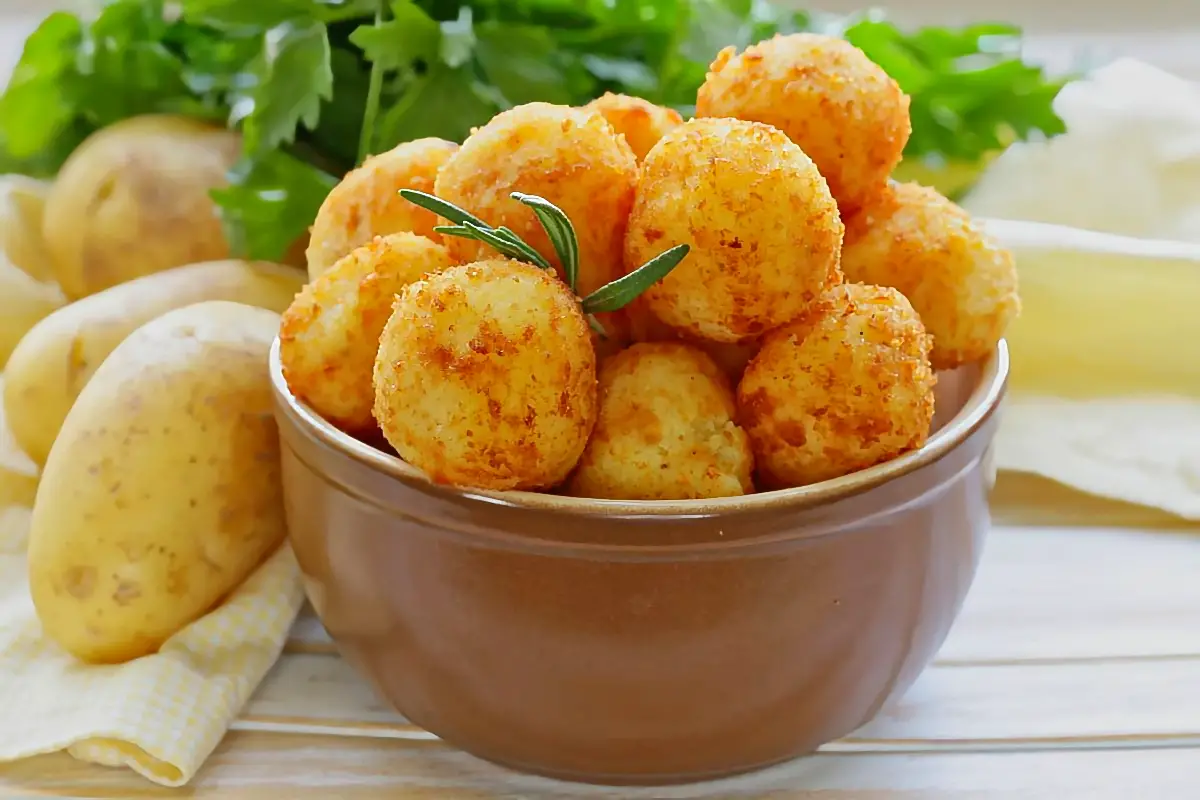
Today, I want to talk about making the Salvadoran Nuegados de Yuca recipe, a tasty treat. Hello there! I’m Laurel, and I enjoy experimenting with new dishes. Although you may not have heard of it before, I can assure you that it is absolutely delicious! It was a huge success when I recently made it. El Salvador, a tiny nation in Central America, is home to the delicious snack known as nuegados de yuca. The ingredient used to make it is yuca, also referred to as cassava. Cassava is a root vegetable that resembles a potato and is very well-liked in many nations all over the world. The yuca is used in this recipe to create a dough that is then formed into tiny balls and deep-fried until crispy and golden brown.


Want more ideas to round-out your El Salvador Recipe Box?
A lot of great options are in these posts!

  • 31 Best El Salvador Recipes and Traditional Meals

The fact that the Salvadoran Nuegados de Yuca recipe is so simple to make is one of my favorite things about it. It doesn’t take long to put the dough together, and you don’t need a lot of expensive tools or difficult-to-find ingredients. Just make sure you have a grater, a bowl, and a frying pan, and you’re ready to go! You can eat these delectable snacks by themselves or with a straightforward dipping sauce. Some people prefer to use a sugar, water, and cinnamon-based sweet sauce. Some people favor a spicy, tomato-based sauce. Both are delicious, and I’ve tried them both. Either way, you can’t go wrong!


You May Want to Join The World Recipes With Our Big Escape

Share your own recipes in our Facebook Group. Find recipes from all over the world. Learn more about International Cuisine and how you can surprise your family with new and exciting foods from all over the world.

For More Photos Visit Our Instagram at World Recipes Daily


I wholeheartedly urge you to give Nuegados de Yuca a shot if you’re looking for a new snack to try. They have a crispy exterior, a soft interior, and are flavorful. Additionally, they’re a tasty way to prepare yuca, a vegetable that not everyone may be familiar with. I’m sure you’ll love them once you’ve made them and they’ll become one of your go-to snacks! Just keep in mind to exercise caution when frying the Salvadoran Nuegados de Yuca recipe because hot oil can be fatal. Use a deep frying pan and monitor the temperature of the oil. Naturally, you should wait for the fried treats to cool down a bit before biting into them.

The Complete Recipe with Ingredients and Step by Step Instructions Listed Below

3 Reasons People Love the Salvadoran Nuegados de Yuca Recipe

1. Easy to Make: One reason people love Salvadoran Nuegados de Yuca recipe is because they are easy to make. The recipe needs only a few simple steps and basic kitchen tools. You don’t have to be an expert cook to make these delicious treats. Kids and adults alike can join in the fun of making the dough, shaping it into balls, and frying them. This ease of preparation makes Nuegados de Yuca a favorite choice for a quick and delicious snack.

2. Unique Flavor and Texture: Another reason people love Salvadoran Nuegados de Yuca recipe is their unique flavor and texture. The yuca, or cassava, gives the dough a distinct taste that is different from other snacks made with potatoes or flour. The crispy outside and soft inside make for a delightful contrast in each bite. These tasty treats are not only delicious but also offer an interesting and enjoyable eating experience that sets them apart from other fried snacks.

3. Adaptable to Different Tastes: Finally, people love Salvadoran Nuegados de Yuca recipe because they can be adapted to different tastes. The basic recipe is quite simple, allowing for the addition of various ingredients or dipping sauces to suit personal preferences. For example, some people enjoy adding cheese or other spices to the dough for an extra burst of flavor. Others like to experiment with different dipping sauces, such as sweet or savory ones. This adaptability makes Nuegados de Yuca a perfect choice for families and friends with different taste preferences, as everyone can enjoy them in their own way.

Salvadoran Pin

How To Make Our Salvadoran Nuegados de Yuca Recipe

Ingredients (8 Servings)

2 lbs. of yucca root
1 cup of sugar
1 tsp. of salt
1 tsp. of cinnamon
1 tsp. of vanilla extract
1 cup of all-purpose flour
1 cup of vegetable oil
1 cup of water

Instructions

1. Peel and wash the yucca root. Grate it finely using a cheese grater or a food processor.

2. In a mixing bowl, combine the grated yucca, sugar, salt, cinnamon, vanilla extract, and all-purpose flour. Mix well until all ingredients are fully incorporated.

3. Gradually add water to the mixture while stirring continuously until it forms a sticky dough.

4. Using your hands, form small balls (about 2 inches in diameter) with the dough.

5. In a deep skillet or frying pan, heat the vegetable oil over medium-high heat.

6. Once the oil is hot, add the yucca balls to the pan, being careful not to overcrowd the pan. Fry for about 5-7 minutes, or until they turn golden brown.

7. Use a slotted spoon to remove the yucca balls from the pan and place them on a paper towel to drain the excess oil.

8. Serve warm and enjoy!

Nutritional Information For the Salvadoran Nuegados de Yuca Recipe

Calories: 382
Carbohydrates: 72 g
Protein: 2 g
Fat: 11 g
Saturated Fat: 1 g
Cholesterol: 0 mg
Sodium: 303 mg
Potassium: 361 mg
Fiber: 3 g
Sugar: 29 g

Prep Time: 30 minutes

Cooking Time: 20 minutes

Pots, Pan and Cooking Equipment Needed for the Salvadoran Nuegados de Yuca Recipe

Cheese grater or food processor
Mixing bowl
Skillet or frying pan
Slotted spoon
Paper towels

Best Way to Store Leftovers From the Salvadoran Nuegados de Yuca Recipe

Leftover nuegados can be stored in an airtight container at room temperature for up to 2 days. For longer storage, place them in an airtight container in the refrigerator for up to 5 days. To reheat, place them in the oven at 350°F for 10-15 minutes or until heated through.

Substitutions For the Salvadoran Nuegados de Yuca Recipe

Instead of yucca root, you can use cassava or taro root.
For a gluten-free version, use gluten-free all-purpose flour.
You can substitute the vegetable oil with coconut oil or another neutral-tasting oil.

Substitutions For the Vegetarian Salvadoran Nuegados de Yuca Recipe

The recipe is already vegetarian.

Tips and Tricks For Easier Creation

To make the grating process easier, you can use a food processor with a grating attachment.
If the dough is too sticky, add more flour little by little until it reaches the desired consistency.
Be sure not to overcrowd the pan while frying to prevent the nuegados from sticking together.

Side Dishes and Desserts For the Salvadoran Nuegados de Yuca Recipe

Salvadoran curtido (pickled cabbage slaw)
Refried beans
Guacamole
Fried plantains

How To Serve the Salvadoran Nuegados de Yuca Recipe

Serve the nuegados warm as a dessert or snack. They can be served on their own or with a drizzle of honey or syrup. Alternatively, you can sprinkle them with powdered sugar or cinnamon for added flavor.

FAQ About the Salvadoran Nuegados de Yuca Recipe

What is the origin of the Salvadoran Nuegados de Yuca Recipe recipe?
The Salvadoran Nuegados de Yuca Recipe is a traditional dessert from El Salvador. It has been a staple of Salvadoran cuisine for generations and is enjoyed by many in the country.

Can I make the Salvadoran Nuegados de Yuca Recipe recipe in advance?
Yes, you can make the nuegados in advance and store them in an airtight container at room temperature or in the refrigerator for a few days. To reheat, place them in the oven at 350°F for 10-15 minutes or until heated through.

Can I make the Salvadoran Nuegados de Yuca Recipe recipe without a cheese grater or food processor?
It is possible to make the recipe without a cheese grater or food processor, but it will be more difficult to achieve the desired texture. You can try finely chopping the yucca with a knife or grating it using a box grater, but this may take more time and effort.

How can I tell if the Salvadoran Nuegados de Yuca Recipe is fully cooked?
The nuegados should be cooked until they are golden brown on the outside and fully cooked on the inside. To test if they are fully cooked, you can cut one open and check that the inside is soft and cooked through.

Can I make the Salvadoran Nuegados de Yuca Recipe recipe healthier?
You can make some substitutions to make the recipe healthier, such as using a healthier oil for frying, reducing the amount of sugar, or using a gluten-free flour. However, these changes may also affect the taste and texture of the nuegados.

Final Thoughts

You’re missing out on a great snack if you haven’t tried the Salvadoran Nuegados de Yuca recipe yet. I just made them myself, so I can see why they’re so popular. This recipe is great for people who are just starting out in the kitchen or don’t have much experience. Anyone can make a tasty dish that is sure to impress with just a few easy steps. This recipe is great for families who want to do something fun that kids and adults can both enjoy. What’s the best? You don’t need any fancy tools or ingredients that are hard to find.

Salvadoran Nuegados de Yuca recipes are a tasty treat with a unique taste and texture that comes from the main ingredient, yuca. The outside of these tasty treats is perfectly crisp, and the inside is perfectly soft, making every bite a delight. This recipe’s versatility is one of its best features. You can easily make it your own by adding different ingredients or dipping sauces to make it taste the way you like.

I have to say that making and eating the Salvadoran Nuegados de Yuca recipe was one of the best things I’ve ever done. These snacks are very easy to make and taste great. I can’t wait to make them again and tell all of my readers how to do it. I really think you should try this recipe and taste how good it is for yourself. Welcome, food lovers, to my kitchen! Today, I’m excited to give you a recipe for Nuegados de Yuca, which is a tasty treat. Get ready for a treat that is both sweet and savory and will make your taste buds happy. If you carefully follow the recipe, you’ll soon have a plate full of Nuegados de Yuca that will make your mouth water.

Salvadoran Nuegados de Yuca Recipe

Salvadoran Nuegados de Yuca

382kcal
5 from 1 vote
Pinterest Facebook Share on X
Share Print
Prep 30 minutes mins
Cook 20 minutes mins
Today, I want to talk about making the Salvadoran Nuegados de Yuca recipe, a tasty treat.
Servings 8 Servings
Course Appetizer, Side Dish, Snack
Cuisine Salvadoran

Ingredients

  • 2 lbs. of yucca root
  • 1 cup of sugar
  • 1 tsp. of salt
  • 1 tsp. of cinnamon
  • 1 tsp. of vanilla extract
  • 1 cup of all-purpose flour
  • 1 cup of vegetable oil
  • 1 cup of water

Equipment

  • Cheese grater or food processor
  • Mixing bowl
  • Skillet or frying pan
  • Slotted Spoon

Method

  1. Peel and wash the yucca root. Grate it finely using a cheese grater or a food processor.
  2. In a mixing bowl, combine the grated yucca, sugar, salt, cinnamon, vanilla extract, and all-purpose flour. Mix well until all ingredients are fully incorporated.
  3. Gradually add water to the mixture while stirring continuously until it forms a sticky dough.
  4. Using your hands, form small balls (about 2 inches in diameter) with the dough.
  5. In a deep skillet or frying pan, heat the vegetable oil over medium-high heat.
  6. Once the oil is hot, add the yucca balls to the pan, being careful not to overcrowd the pan. Fry for about 5-7 minutes, or until they turn golden brown.
  7. Use a slotted spoon to remove the yucca balls from the pan and place them on a paper towel to drain the excess oil.
  8. Serve warm and enjoy!

Nutrition

Serving1gCalories382kcalCarbohydrates72gProtein2gFat11gSaturated Fat1gSodium303mgPotassium361mgFiber3gSugar29g

Notes

Tips and Tricks

To make the grating process easier, you can use a food processor with a grating attachment.
If the dough is too sticky, add more flour little by little until it reaches the desired consistency.
Be sure not to overcrowd the pan while frying to prevent the nuegados from sticking together.

Private Notes

Click here to add your own private notes.

Tried this recipe?

Let us know how it was!
May 1, 2023 0 comments
0 FacebookTwitterPinterestEmail
Salvadoran Bread Pudding Recipe
Recipes

Easy Salvadoran Bread Pudding Recipe

by John - Laurel Rodgers May 1, 2023
written by John - Laurel Rodgers

Salvadoran Bread Pudding Recipe

I am thrilled to share this Salvadoran Bread Pudding recipe. My recent adventure in the kitchen was a result of the recipe I found on my trip. As someone who enjoys experimenting with new recipes, I was delighted to come across this sweet treat. Now, I can introduce you to this amazing dessert, so let’s dive into the world of Salvadoran Bread Pudding!


Want more ideas to round-out your El Salvador Recipe Box?
A lot of great options are in these posts!

  • 31 Best El Salvador Recipes and Traditional Meals

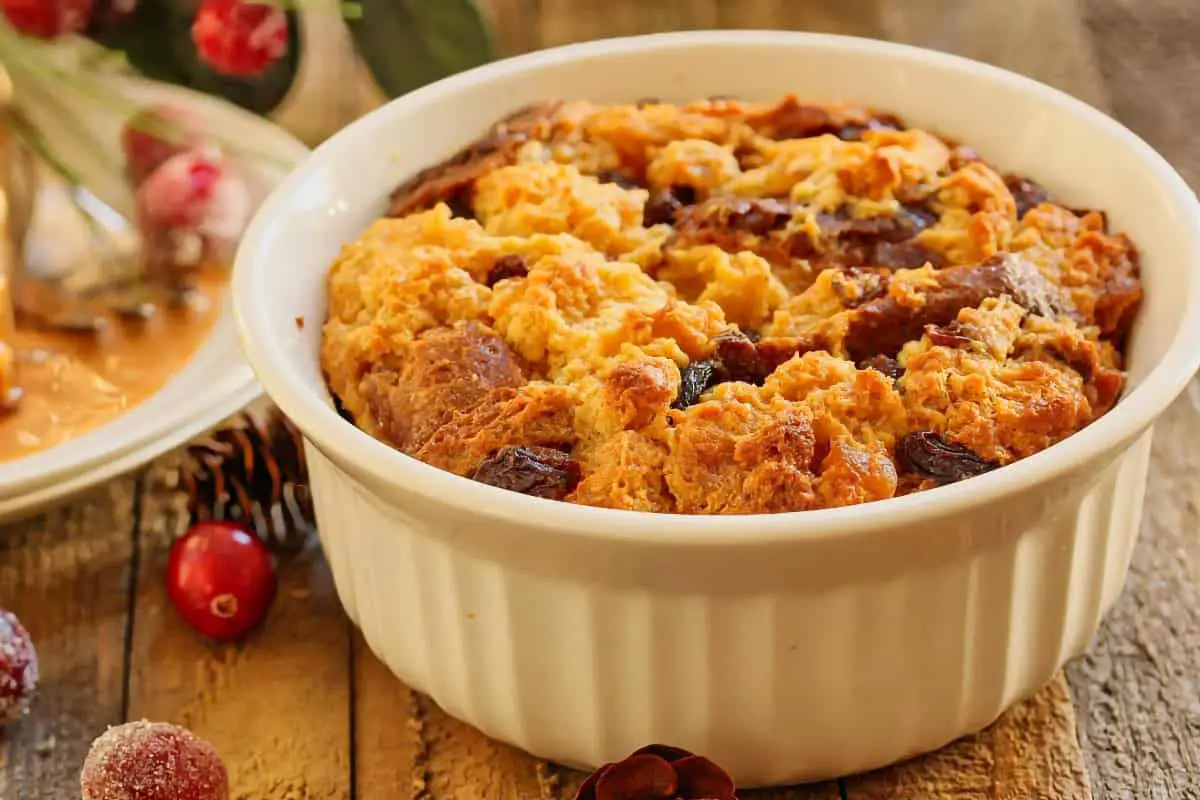
Bread Pudding, or “Budín de Pan” in Spanish, is a popular dessert in El Salvador, a charming country in Central America. This dish is made by using stale bread soaked in a sweet mixture and then baked until it reaches a perfect, golden-brown color. The result is a warm, comforting dessert that’s not only delicious but also a great way to use up leftover bread.


You May Want to Join The World Recipes With Our Big Escape

Share your own recipes in our Facebook Group. Find recipes from all over the world. Learn more about International Cuisine and how you can surprise your family with new and exciting foods from all over the world.

For More Photos Visit Our Instagram at World Recipes Daily


The wonderful thing about this Salvadoran Bread Pudding is that it’s both simple and versatile. Many families in El Salvador have their own special way of making it, adding different ingredients to create their unique version of this tasty dessert. When I made it, I couldn’t help but feel a connection to the Salvadoran culture and the generations of home cooks who have been making Bread Pudding for years.

Another reason to love this dessert is its comforting nature. Bread Pudding has a soft, tender texture that just melts in your mouth. Combined with the sweet flavors, it feels like a warm hug on a chilly day. When I made it for my family, we all gathered around the table, eager to dig into this delightful dish, and it filled our home with a cozy atmosphere.

One of the best things about Bread Pudding is that it can be enjoyed in many ways. While it’s delicious on its own, you can also serve it with whipped cream, ice cream, or fresh fruit to make it even more special. I love experimenting with different toppings and discovering new ways to enjoy this scrumptious dessert.

Lastly, making the Salvadoran Bread Pudding recipe is a fun and rewarding experience. As I followed the recipe and watched the dessert come together, I felt a sense of accomplishment. When I pulled the finished Bread Pudding from the oven, I knew I had created something that would bring joy to my family and friends. Sharing this dessert with them was the perfect way to end a lovely meal.

My recent journey in making find this Salvadoran Bread Pudding recipe was truly an enjoyable experience. This dessert has it all – a rich history, delicious flavors, and the ability to bring people together. If you haven’t tried making Bread Pudding yet, I encourage you to give it a go. You never know – it might just become one of your new favorite desserts! Happy baking!

The Complete Recipe with Ingredients and Step by Step Instructions Listed Below

3 Reasons People Love the Salvadoran Bread Pudding Recipe

1. Delicious Taste and Texture: One of the main reasons people love Salvadoran Bread Puddings recipes is the delicious taste and texture. The stale bread soaks up the sweet mixture, creating a soft, tender texture that melts in your mouth. This delightful combination of flavors and textures makes every bite enjoyable and keeps people coming back for more. The sweetness of the pudding, combined with the bread’s sponginess, creates a perfect harmony that’s hard to resist.

2. Creative Variations and Toppings: Another reason people enjoy Salvadoran Bread Puddings recipes is the opportunity to get creative with variations and toppings. While the traditional recipe is already scrumptious, adding extra ingredients like nuts, raisins, or chocolate chips can take the dessert to the next level. Additionally, serving the pudding with whipped cream, ice cream, or fresh fruit adds an extra layer of flavor and texture, making the dessert even more special and personalized to each person’s taste preferences.

3. A Fun and Rewarding Cooking Experience: Finally, people love making Salvadoran Bread Puddings recipess because it’s a fun and rewarding cooking experience. The recipe is relatively simple, and it’s enjoyable to watch the bread transform into a beautiful, golden-brown dessert as it bakes. The process of making the sweet mixture, soaking the bread, and then baking the dessert can feel like a satisfying adventure in the kitchen. As a result, home cooks feel a sense of accomplishment when they successfully create a delicious Bread Pudding that they can share with their loved ones.

Salvadoran Pin

How To Make Our Salvadoran Bread Pudding Recipe

Ingredients (8 Servings)

1 lb. of day-old bread, cut into cubes
2 cups of milk
1 can of condensed milk
3 eggs
1/2 cup of sugar
1/4 cup of raisins
1 teaspoon of vanilla extract
1 teaspoon of ground cinnamon
1/4 teaspoon of ground nutmeg
Butter for greasing the baking dish

Instructions

1. Preheat the oven to 350°F (180°C). Grease a 9×13 inch baking dish with butter.
2. In a large bowl, whisk together the milk, condensed milk, eggs, sugar, vanilla extract, cinnamon, and nutmeg.
3. Add the bread cubes and raisins to the bowl and stir until the bread is fully coated in the milk mixture.
4. Let the bread mixture sit for 10 minutes, stirring occasionally to make sure all the bread is fully soaked.
5. Pour the bread mixture into the prepared baking dish, spreading it out evenly.
6. Bake in the preheated oven for 45-50 minutes, or until the top is golden brown and the center is set.
7. Let the bread pudding cool for a few minutes before slicing and serving.

Nutritional Information For the Salvadoran Bread Pudding Recipe

Calories: 348
Carbohydrates: 57g
Protein: 11g
Fat: 9g
Saturated Fat: 4g
Cholesterol: 82mg
Sodium: 262mg
Potassium: 395mg
Fiber: 1g
Sugar: 38g

Prep Time: 15 minutes

Cooking Time: 45-50 minutes

List of What Pots, Pans and Cooking Equipment are Needed to Make the Salvadoran Bread Pudding Recipe containing 8 Servings:

1. A large mixing bowl
2. A saucepan
3. A baking dish or casserole dish
4. A whisk or mixing spoon
5. An oven

Best Way to Store Leftovers From the Salvadoran Bread Pudding Recipe

Leftover bread pudding should be covered and stored in the refrigerator for up to 3-4 days. It can also be frozen for longer storage. To freeze, cut the bread pudding into portions and wrap each portion tightly in plastic wrap or aluminum foil. Place the wrapped portions in a resealable plastic bag and freeze for up to 2 months.

Substitutions For the Salvadoran Bread Pudding Recipe

Milk can be substituted with a plant-based milk such as almond, soy or oat milk.
Eggs can be substituted with flaxseed meal mixed with water, applesauce, mashed banana or tofu.
Butter can be substituted with coconut oil, vegan butter, or vegetable oil.

Substitutions For the Vegetarian Salvadoran Bread Pudding Recipe

The Salvadoran Bread Pudding recipe is already vegetarian. However, to make it vegan, use the substitutions mentioned above for the ingredients containing dairy and eggs.

Tips and Tricks For Easier Creation

Use stale bread as it absorbs the custard mixture better.
Dried fruit like raisins or cranberries can be added to the mixture for a sweet and tangy taste.
If you don’t have time to let the bread pudding mixture sit for 30 minutes, let it sit for at least 10-15 minutes to ensure the bread soaks up the liquid mixture evenly.
If you prefer a firmer bread pudding, use less milk or add more bread to the mixture.

Side Dishes and Desserts For the Salvadoran Bread Pudding Recipe

Fresh fruit salad
Whipped cream
Ice cream
Caramel sauce
Coffee or tea

How To Serve the Salvadoran Bread Pudding Recipe

Let the bread pudding cool for a few minutes before serving. Serve with your desired toppings and enjoy!

FAQ About the Salvadoran Bread Pudding Recipe

What is Salvadoran Bread Pudding Recipe?
Salvadoran Bread Pudding Recipe is a traditional dessert made with day-old bread, milk, eggs, sugar, and spices like cinnamon and nutmeg.

Can I use fresh bread for the recipe?
It’s best to use day-old bread for this recipe as it will absorb the milk mixture better. If you don’t have day-old bread, you can lightly toast fresh bread in the oven before using it in the recipe.

Can I use a different type of milk in the recipe?
You can use any type of milk you prefer, such as almond milk or soy milk, but it may affect the flavor and texture of the bread pudding.

Is it necessary to use raisins in the recipe?
Raisins are a common ingredient in Salvadoran Bread Pudding Recipe, but if you don’t like them, you can leave them out or substitute them with chopped nuts or dried fruit.

Can I make the bread pudding ahead of time?
Yes, you can make the bread pudding ahead of time and store it in the refrigerator for up to 3 days. Reheat it in the oven or microwave before serving.

Final Thoughts

In conclusion, my adventure in making my first Salvadoran Bread Puddings recipes was a truly enjoyable and rewarding experience. This dessert has a fantastic combination of taste and texture that made every bite delightful. Its soft, tender texture and sweet flavor made it a big hit with my family, and I couldn’t have been happier with the results.

Another exciting part of making Bread Pudding was experimenting with different variations and toppings. It was so much fun to see how a simple addition of nuts, raisins, or a dollop of whipped cream could completely transform the dessert. I felt like a creative cook as I discovered new ways to make this scrumptious treat even more special.

The sense of accomplishment I felt when I finished baking the perfect golden-brown Bread Pudding was incredible. Sharing this delicious dessert with my loved ones made the entire process even more worthwhile. If you haven’t tried making this Salvadoran Bread Puddings recipes yet, I highly recommend giving it a shot. You might be surprised by how much you enjoy both the cooking process and the amazing taste of this delightful dessert.

Salvadoran Bread Pudding Recipe

Salvadoran Bread Pudding

348kcal
5 from 1 vote
Pinterest Facebook Share on X
Share Print
Prep 15 minutes mins
Cook 50 minutes mins
I am thrilled to share this Salvadoran Bread Pudding recipe. My recent adventure in the kitchen was a result of the recipe I found on my trip.
Servings 8 Servings
Course Dessert
Cuisine Salvadoran

Ingredients

  • 1 lb. of day-old bread cut into cubes
  • 2 cups of milk
  • 1 can of condensed milk
  • 3 eggs
  • 1/2 cup of sugar
  • 1/4 cup of raisins
  • 1 teaspoon of vanilla extract
  • 1 teaspoon of ground cinnamon
  • 1/4 teaspoon of ground nutmeg
  • Butter for greasing the baking dish

Equipment

  • Large mixing bowl
  • Saucepan
  • Baking dish or casserole dish
  • Whisk or mixing spoon

Method

  1. Preheat the oven to 350°F (180°C). Grease a 9x13 inch baking dish with butter.
  2. In a large bowl, whisk together the milk, condensed milk, eggs, sugar, vanilla extract, cinnamon, and nutmeg.
  3. Add the bread cubes and raisins to the bowl and stir until the bread is fully coated in the milk mixture.
  4. Let the bread mixture sit for 10 minutes, stirring occasionally to make sure all the bread is fully soaked.
  5. Pour the bread mixture into the prepared baking dish, spreading it out evenly.
  6. Bake in the preheated oven for 45-50 minutes, or until the top is golden brown and the center is set.
  7. Let the bread pudding cool for a few minutes before slicing and serving.

Nutrition

Calories348kcalCarbohydrates57gProtein11gFat9gSaturated Fat4gCholesterol82mgSodium262mgPotassium395mgFiber1gSugar38g

Notes

Tips and Tricks

Use stale bread as it absorbs the custard mixture better.
Dried fruit like raisins or cranberries can be added to the mixture for a sweet and tangy taste.
If you don't have time to let the bread pudding mixture sit for 30 minutes, let it sit for at least 10-15 minutes to ensure the bread soaks up the liquid mixture evenly.
If you prefer a firmer bread pudding, use less milk or add more bread to the mixture.

Private Notes

Click here to add your own private notes.

Tried this recipe?

Let us know how it was!
May 1, 2023 0 comments
0 FacebookTwitterPinterestEmail
Salvadoran Torrejas Recipe
Recipes

New Easy Salvadoran Torrejas Recipe

by John - Laurel Rodgers May 1, 2023
written by John - Laurel Rodgers

Salvadoran Torrejas Recipe

I just found a wonderful Salvadoran Torrejas recipe. I am thrilled to share my experience with all of you! My name is Laurel, and as a cook, I absolutely love trying out new dishes from different cultures. Recently, I had the chance to make this incredible Salvadoran dessert called Torrejas, and I am thrilled to share my experience with all of you!


Want more ideas to round-out your El Salvador Recipe Box?
A lot of great options are in these posts!

  • 31 Best El Salvador Recipes and Traditional Meals

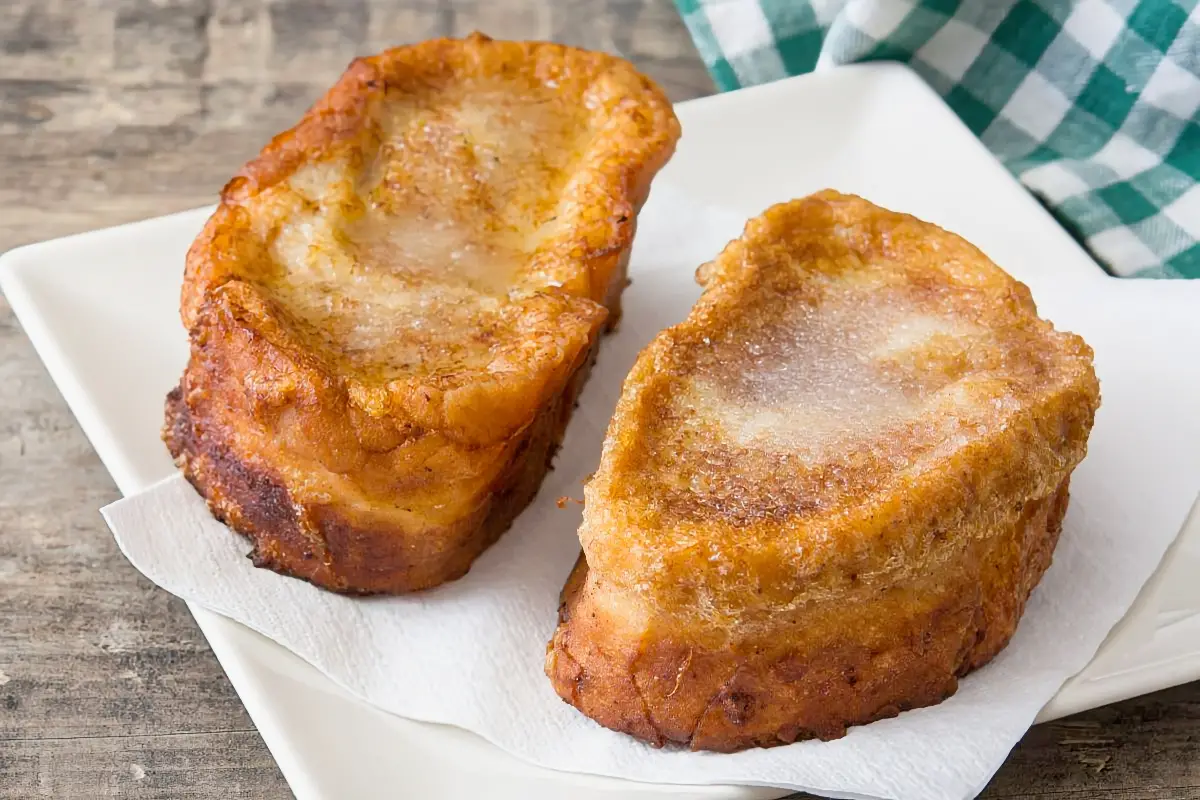
Torrejas are a popular dessert in El Salvador, similar to French toast or bread pudding. They are made from slices of bread soaked in a sweet syrup, and then fried until golden brown. This delicious treat is often served during special occasions, like Easter or Christmas, and it’s a great way to use up leftover bread. Even if you’re not an expert cook, you can still prepare this yummy dessert without much trouble!


You May Want to Join The World Recipes With Our Big Escape

Share your own recipes in our Facebook Group. Find recipes from all over the world. Learn more about International Cuisine and how you can surprise your family with new and exciting foods from all over the world.

For More Photos Visit Our Instagram at World Recipes Daily


Before I made Torrejas, I had never come across this dessert. However, I’m always excited to learn and try new recipes from different countries. When I finally made the Salvadoran Torrejas recipe, I was delighted by the outcome and couldn’t wait to share my discovery with my friends and family.

The first time I made Torrejas, I was surprised at how simple the process was. I prepared the sweet syrup, soaked the bread, and then fried the slices until they were perfectly golden brown. After letting them cool a bit, I served them warm, and they were a huge hit! The flavors were incredible, and the texture was soft and tender on the inside with a slightly crispy outside.

One of the things I love most about the Salvadoran Torrejas recipes is their versatility. You can enjoy them on their own or with your favorite toppings, like powdered sugar, whipped cream, or even fresh fruit. The possibilities are endless, making this dessert a fantastic choice for any occasion.

Making Torrejas also allowed me to learn more about Salvadoran culture. Food is such an important aspect of any culture, and by creating and sharing this dessert, we can all get a small taste of El Salvador. I find it truly rewarding to explore the world through food and to discover new flavors and recipes that I can bring to my friends and family.

If you’re looking for a unique dessert to try, I highly recommend giving This Salvadoran Torrejas recipe a go. They’re simple to make and are a tasty treat that is sure to be a hit in your home. Feel free to get creative with toppings and make this dessert your own. I hope you enjoy making and eating these delightful Salvadoran Torrejas as much as I did! Happy cooking, everyone!

The Complete Recipe with Ingredients and Step by Step Instructions Listed Below

3 Reasons People Love the Salvadoran Torrejas Recipe

1. Simple and Easy Preparation: One reason people love Salvadoran Torrejas recipes is the simplicity and ease of preparing this dessert. The recipe requires only a few basic ingredients and the cooking process is straightforward. This makes Torrejas a perfect option for both novice and experienced cooks. The fact that they are so easy to prepare encourages people to give this dessert a try, and they often find themselves enjoying the cooking process and the delicious results.

2. Unique Texture and Flavor: Another reason people love Salvadoran Torrejas recipes is their unique texture and flavor. These sweet treats are a delightful combination of soft and tender on the inside, with a slightly crispy outside. The syrup used to soak the bread adds a wonderful sweetness that enhances the overall taste. This combination of textures and flavors sets Torrejas apart from other desserts, making them a memorable and special treat that people enjoy.

3. Great for Using Leftover Bread: The third reason people love a Salvadoran Torrejas recipe is that they its a fantastic way to use up leftover bread. Instead of throwing away stale bread, Torrejas offer an opportunity to turn it into a scrumptious dessert. This not only prevents food waste but also allows people to create a delicious treat without spending a lot on ingredients. The ability to transform something simple like leftover bread into an incredible dessert is part of what makes Torrejas so appealing.

Salvadoran Pin

How To Make Our Salvadoran Torrejas Recipe

Ingredients (8 Servings)

1 pound of yucca
1 cup of grated panela (brown sugar)
1 cup of water
1 cinnamon stick
4 cups of vegetable oil
4 eggs
1 teaspoon of baking powder
1 teaspoon of salt
1 teaspoon of ground cinnamon

Instructions

1. Peel and grate the yucca into a large mixing bowl.

2. In a saucepan, combine the grated panela, water, and cinnamon stick over medium heat. Stir occasionally until the panela has dissolved completely.

3. Pour the panela mixture over the grated yucca and mix well.

4. Heat the vegetable oil in a frying pan over medium-high heat.

5. In a separate mixing bowl, beat the eggs until frothy.

6. Add the baking powder, salt, and ground cinnamon to the eggs and mix well.

7. Pour the egg mixture over the yucca mixture and stir until fully combined.

8. Use a spoon to form the mixture into small round patties.

9. Carefully place the patties in the hot oil and fry until golden brown on both sides.

10. Use a slotted spoon to remove the torrejas from the oil and place them on a paper towel-lined plate to drain excess oil.

11. Serve warm with a sprinkle of ground cinnamon on top.

Nutritional Information For the Salvadoran Torrejas Recipe

Calories: 382
Carbohydrates: 57g
Protein: 3g
Fat: 17g
Saturated Fat: 2g
Cholesterol: 93mg
Sodium: 311mg
Potassium: 89mg
Fiber: 1g
Sugar: 32g

Prep Time: 30 minutes

Cooking Time: 20 minutes

Pots, Pan and Cooking Equipment Needed for the Salvadoran Torrejas Recipe

Large mixing bowl
Saucepan
Frying pan
Slotted spoon
Paper towel-lined plate

Best Way to Store Leftovers From the Salvadoran Torrejas Recipe

Allow the Torrejas to cool completely.
Place them in an airtight container or a sealable plastic bag.
Store them in the refrigerator for up to 3 days.

Substitutions For the Salvadoran Torrejas Recipe

If yucca is not available, cassava or taro root can be used as a substitute.
Brown sugar can be substituted with granulated sugar or honey.
Vegetable oil can be substituted with canola or corn oil.

Substitutions For the Vegetarian Salvadoran Torrejas Recipe

This recipe is already vegetarian.

Tip and Tricks For Easier Creation

Make sure to grate the yucca finely for a smoother texture.
Use a non-stick frying pan to prevent sticking.
To make the Torrejas sweeter, add more grated panela to the mixture.
To make the Torrejas fluffier, beat the egg mixture until light and frothy.

Side Dishes and Desserts For the Salvadoran Torrejas Recipe

Salvadoran horchata
Fresh fruit salad
Guava paste

How To Serve the Salvadoran Torrejas Recipe

Serve the Torrejas warm with a sprinkle of ground cinnamon on top.
These can be enjoyed as a breakfast dish or a dessert.
Serve with a side of Salvadoran horchata or fresh fruit salad for a complete meal.

FAQ About the Salvadoran Torrejas Recipe

What is the Salvadoran Torrejas Recipe?
Salvadoran Torrejas Recipe is a traditional Salvadoran dessert made with grated yucca, panela (brown sugar), and cinnamon. The mixture is formed into small round patties and fried until golden brown.

Can I make the Salvadoran Torrejas Recipe ahead of time?
Yes, you can make the Torrejas ahead of time and store them in an airtight container in the refrigerator for up to 3 days. To reheat, place them in the oven or microwave until warm.

Is the Salvadoran Torrejas Recipe vegan-friendly?
No, the traditional Salvadoran Torrejas Recipe contains eggs, so it is not vegan-friendly. However, substitutions can be made to create a vegan version of the recipe.

Can I substitute the yucca with another ingredient in the Salvadoran Torrejas Recipe?
Yes, you can substitute the yucca with cassava or taro root for a similar texture and flavor.

How can I make the Salvadoran Torrejas Recipe healthier?
To make the recipe healthier, you can use a healthier oil for frying, such as olive oil, and reduce the amount of sugar in the recipe. You can also serve the torrejas with fresh fruit or a fruit salad for added nutrition.

Final Thoughts

I am so glad that I recently tried making this Salvadoran Torrejas recipe. I believe it’s important to explore new recipes, and this dessert was a delightful and delicious discovery. The simple preparation, unique flavor and texture, and the great use of leftover bread make this dessert truly special.

I enjoyed serving Torrejas to my friends and family, who were just as amazed by the taste and texture as I was. I know that I’ll be making this dessert again soon because it was such a hit. It’s a great way to add some variety to my dessert repertoire and to surprise my loved ones with something different.

I encourage you to give my Salvadoran Torrejas recipes a try, as it’s a wonderful way to expand your cooking skills and taste a unique dessert from Salvadoran cuisine. I hope that you enjoy making and sharing Salvadoran Torrejas as much as I did. Good luck, and happy cooking!

Salvadoran Torrejas Recipe

Salvadoran Torrejas

382kcal
5 from 1 vote
Pinterest Facebook Share on X
Share Print
Prep 30 minutes mins
Cook 20 minutes mins
I just found a wonderful Salvadoran Torrejas recipe. I am thrilled to share my experience with all of you!
Servings 8 Servings
Course Cake, Dessert
Cuisine Salvadoran

Ingredients

  • 1 pound of yucca
  • 1 cup of grated panela brown sugar
  • 1 cup of water
  • 1 cinnamon stick
  • 4 cups of vegetable oil
  • 4 eggs
  • 1 teaspoon of baking powder
  • 1 teaspoon of salt
  • 1 teaspoon of ground cinnamon

Equipment

  • Large mixing bowl
  • Saucepan
  • Frying pan
  • Slotted Spoon
  • Paper towel-lined plate

Method

  1. Peel and grate the yucca into a large mixing bowl.
  2. In a saucepan, combine the grated panela, water, and cinnamon stick over medium heat. Stir occasionally until the panela has dissolved completely.
  3. Pour the panela mixture over the grated yucca and mix well.
  4. Heat the vegetable oil in a frying pan over medium-high heat.
  5. In a separate mixing bowl, beat the eggs until frothy.
  6. Add the baking powder, salt, and ground cinnamon to the eggs and mix well.
  7. Pour the egg mixture over the yucca mixture and stir until fully combined.
  8. Use a spoon to form the mixture into small round patties.
  9. Carefully place the patties in the hot oil and fry until golden brown on both sides.
  10. Use a slotted spoon to remove the torrejas from the oil and place them on a paper towel-lined plate to drain excess oil.
  11. Serve warm with a sprinkle of ground cinnamon on top.

Nutrition

Calories382kcalCarbohydrates57gProtein3gFat17gSaturated Fat2gCholesterol93mgSodium311mgPotassium89mgFiber1gSugar32g

Notes

Tips and Tricks

Make sure to grate the yucca finely for a smoother texture.
Use a non-stick frying pan to prevent sticking.
To make the Torrejas sweeter, add more grated panela to the mixture.
To make the Torrejas fluffier, beat the egg mixture until light and frothy.

Private Notes

Click here to add your own private notes.

Tried this recipe?

Let us know how it was!
May 1, 2023 0 comments
0 FacebookTwitterPinterestEmail
Salvadoran Leche Poleada Recipe
Recipes

Great Salvadoran Leche Poleada Recipe

by John - Laurel Rodgers May 1, 2023
written by John - Laurel Rodgers

Salvadoran Leche Poleada Recipe

Recently I tried making a delicious Salvadoran Leche Poleada recipe. My name is Sam, and I’m a cook who loves trying new dishes from different cultures. I am so excited to share my experience with you! Leche Poleada is a popular dessert in El Salvador. It is a creamy, smooth, and sweet treat made from milk and cornstarch. The texture is similar to a pudding, and it’s served chilled. What’s great about this dessert is that it is simple to make and only uses a few ingredients. Even if you’re not an experienced cook, you can make this yummy dessert easily!


Want more ideas to round-out your El Salvador Recipe Box?
A lot of great options are in these posts!

  • 31 Best El Salvador Recipes and Traditional Meals

I have to admit, before I tried making this Salvadoran Leche Poleada recipe, I had never heard of it. But I am always eager to learn about new recipes, especially when they come from other countries. I found this dessert to be a delightful surprise, and I can’t wait to make it again for my friends and family. When I made Leche Poleada for the first time, I was amazed at how quickly it came together. The cooking process was simple, and it didn’t take long for the dessert to set in the fridge. Once it was ready to serve, I added a sprinkle of cinnamon on top, which added a nice touch of warmth and flavor.


You May Want to Join The World Recipes With Our Big Escape

Share your own recipes in our Facebook Group. Find recipes from all over the world. Learn more about International Cuisine and how you can surprise your family with new and exciting foods from all over the world.

For More Photos Visit Our Instagram at World Recipes Daily


One of the things I liked most about this Salvadoran Leche Poleada recipe is how versatile it can be. You can enjoy it just as it is, or you can add your favorite toppings, like fruit or whipped cream. It’s a fantastic way to end a meal or serve as a tasty snack. Not only is Leche Poleada a tasty treat, but it’s also a great way to learn about Salvadoran culture. Food is an essential part of any culture, and by making and sharing this dessert, we can all enjoy a small taste of El Salvador. I find it so exciting to explore the world through food and to discover new flavors and recipes.

If you’re looking for a new dessert to try, I highly recommend giving Leche Poleada a go. It’s a simple, delicious treat that’s sure to become a favorite in your home. Don’t be afraid to get creative with your toppings and make this dish your own. I hope you enjoy making and eating this scrumptious Salvadoran dessert as much as I did! Happy cooking!

The Complete Recipe with Ingredients and Step by Step Instructions Listed Below

3 Reasons People Love the Salvadoran Leche Poleada Recipe

1. Easy to Make: One reason people love the Salvadoran Leche Poleada recipe is that it is very easy to make. This dessert has only a few ingredients, and the cooking process is simple. Even if you’re not an experienced cook, you can make this tasty treat without much trouble. It’s a great option when you want a delicious dessert but don’t have a lot of time to spend in the kitchen. The fact that it’s so easy to make encourages more people to try making it, and they often find themselves enjoying the process as well as the final result.

2. Unique Flavor and Texture: Another reason people love the Salvadoran Leche Poleada recipe is because of its unique flavor and texture. The dessert is creamy, smooth, and sweet, with a texture similar to pudding. It’s made from milk and cornstarch, giving it a different taste than many other desserts. The smooth texture feels nice in your mouth, and the mild sweetness is satisfying without being overpowering. The combination of flavors and textures makes Leche Poleada stand out from other desserts, making it a special treat that people enjoy trying and sharing with others.

3. Customizable Toppings: The third reason people love making this Salvadoran Leche Poleada recipe is that it’s easy to customize with your favorite toppings. While the dessert is delicious on its own, you can also add various toppings to make it even more enjoyable. Some people like to sprinkle cinnamon on top, which adds warmth and a bit of spice. Others might choose to add fruit, such as berries or sliced bananas, for a fresh and fruity twist. You can even add a dollop of whipped cream for extra indulgence. The possibilities for toppings are nearly endless, allowing you to make this dessert your own and cater it to your specific taste preferences.

Salvadoran Pin

How To Make Our Salvadoran Leche Poleada Recipe

Ingredients (8 Servings)

4 cups whole milk
1 cup sugar
4 egg yolks
1 cinnamon stick
1 tsp vanilla extract
4 tbsp. cornstarch
Ground cinnamon (for garnish)

Instructions

1. In a medium saucepan, heat the milk and cinnamon stick over medium heat until it begins to simmer.

2. In a separate bowl, whisk together the sugar, egg yolks, and cornstarch until smooth.

3. Remove the cinnamon stick from the milk and gradually pour the egg mixture into the saucepan while continuously whisking.

4. Cook the mixture over medium heat for about 10-15 minutes or until it thickens, stirring occasionally.

5. Remove the mixture from the heat and stir in the vanilla extract.

6. Pour the mixture into a serving dish and let it cool to room temperature.

7. Once cooled, sprinkle ground cinnamon over the top and refrigerate until ready to serve.

Nutritional Information For the Salvadoran Leche Poleada Recipe

Calories: 276
Carbohydrates: 50g
Protein: 5g
Fat: 7g
Saturated Fat: 3g
Cholesterol: 98mg
Sodium: 72mg
Potassium: 232mg
Fiber: 0g
Sugar: 42g

Prep Time: 10 minutes

Cooking Time: 20 minutes

Pots, Pan and Cooking Equipment Needed for the Salvadoran Leche Poleada Recipe

Medium saucepan
Whisk
Serving dish
Storage container with a lid

Best Way to Store Leftovers From the Salvadoran Leche Poleada Recipe

Leftovers can be stored in an airtight container in the refrigerator for up to 3-4 days.

Substitutions For the Salvadoran Leche Poleada Recipe

Whole milk can be substituted with almond milk or soy milk for a dairy-free version.
Cornstarch can be replaced with flour or arrowroot powder.

Substitutions For the Vegetarian Salvadoran Leche Poleada Recipe

The recipe is already vegetarian-friendly.

Tips and Tricks For Easier Creation

Whisk the egg yolks and sugar mixture until it is smooth to avoid lumps in the final dish.
When pouring the egg mixture into the saucepan with the milk, do it gradually while continuously whisking to avoid curdling the eggs.

Side Dishes and Desserts For the Salvadoran Leche Poleada Recipe

Fresh fruit, such as sliced strawberries or mangoes, can be served alongside the Leche Poleada.
A side of toasted bread or biscuits can complement the creamy texture of the dish.

How To Serve the Salvadoran Leche Poleada Recipe

Sprinkle ground cinnamon over the top of the leche poleada.
Serve chilled from the refrigerator in a serving dish.

FAQ About the Salvadoran Leche Poleada Recipe

What is the Salvadoran Leche Poleada Recipe?
The Salvadoran Leche Poleada Recipe is a traditional Salvadoran dessert made with milk, sugar, egg yolks, and cornstarch. It has a thick and creamy texture and is usually topped with ground cinnamon.

Is the Salvadoran Leche Poleada Recipe difficult to make?
No, the Salvadoran Leche Poleada Recipe is relatively easy to make with simple ingredients and straightforward instructions.

Can the Salvadoran Leche Poleada Recipe be made ahead of time?
Yes, the Salvadoran Leche Poleada Recipe can be made ahead of time and stored in the refrigerator until ready to serve.

Is the Salvadoran Leche Poleada Recipe gluten-free?
Yes, the Salvadoran Leche Poleada Recipe is gluten-free as it does not contain any wheat or gluten-containing ingredients.

What occasions is the Salvadoran Leche Poleada Recipe typically served for?
The Salvadoran Leche Poleada Recipe is a popular dessert for holidays and special occasions in El Salvador, such as Christmas and Easter. It can also be served as a sweet treat after a meal or as a snack.

Final Thoughts

In conclusion, I am so happy that I recently tried making this Salvadoran Leche Poleada recipe. As a cook, I find it important to explore new recipes, and this dessert was a delightful discovery. The simple, easy-to-make recipe and the unique flavor and texture make this dessert a true winner.

I enjoyed being able to customize Leche Poleada with my favorite toppings, which made it even more fun to prepare and share with others. It was such a hit in my home that I know I’ll be making it again soon. My friends and family loved it, and I’m sure they will request it again in the future.

Salvadoran Leche Poleada Recipe

Salvadoran Leche Poleada Recipe

276kcal
5 from 1 vote
Pinterest Facebook Share on X
Share Print
Prep 10 minutes mins
Cook 20 minutes mins
Recently I tried making a delicious Salvadoran Leche Poleada recipe.
Servings 8 Servings
Course Dessert
Cuisine Salvadoran

Ingredients

  • 4 cups whole milk
  • 1 cup sugar
  • 4 egg yolks
  • 1 cinnamon stick
  • 1 tsp vanilla extract
  • 4 tbsp cornstarch
  • Ground cinnamon for garnish

Equipment

  • Medium saucepan
  • whisk
  • serving dish
  • Storage container with a lid

Method

  1. In a medium saucepan, heat the milk and cinnamon stick over medium heat until it begins to simmer.
  2. In a separate bowl, whisk together the sugar, egg yolks, and cornstarch until smooth.
  3. Remove the cinnamon stick from the milk and gradually pour the egg mixture into the saucepan while continuously whisking.
  4. Cook the mixture over medium heat for about 10-15 minutes or until it thickens, stirring occasionally.
  5. Remove the mixture from the heat and stir in the vanilla extract.
  6. Pour the mixture into a serving dish and let it cool to room temperature.
  7. Once cooled, sprinkle ground cinnamon over the top and refrigerate until ready to serve.

Nutrition

Calories276kcalCarbohydrates50gProtein5gFat7gSaturated Fat3gCholesterol98mgSodium72mgPotassium232mgSugar42g

Notes

Tips and Tricks

Whisk the egg yolks and sugar mixture until it is smooth to avoid lumps in the final dish.
When pouring the egg mixture into the saucepan with the milk, do it gradually while continuously whisking to avoid curdling the eggs.

Private Notes

Click here to add your own private notes.

Tried this recipe?

Let us know how it was!
May 1, 2023 0 comments
0 FacebookTwitterPinterestEmail
Salvadoran Gallo en Chicha Recipe
Recipes

The Best Salvadoran Gallo en Chicha Recipe

by John - Laurel Rodgers May 1, 2023
written by John - Laurel Rodgers

Salvadoran Gallo en Chicha Recipe

Hi everyone! I am so excited to share a delicious Salvadoran Gallo en Chicha recipe. As a cook, I love trying out new recipes from different cultures, and this one quickly became a favorite of mine. I can’t wait to tell you all about it, so let’s dive in!


Want more ideas to round-out your El Salvador Recipe Box?
A lot of great options are in these posts!

  • 31 Best El Salvador Recipes and Traditional Meals

Gallo en Chicha is a popular Salvadoran Gallo en Chicha recipe from El Salvador, a beautiful country in Central America. The name might sound a bit strange at first, but let me explain it to you. “Gallo” means rooster, but don’t worry, we use chicken in this dish. “En” means “in,” and “Chicha” is a traditional fermented drink made from corn or other grains. So, basically, this dish is chicken cooked in a special Chicha sauce. Trust me, it tastes amazing!


You May Want to Join The World Recipes With Our Big Escape

Share your own recipes in our Facebook Group. Find recipes from all over the world. Learn more about International Cuisine and how you can surprise your family with new and exciting foods from all over the world.

For More Photos Visit Our Instagram at World Recipes Daily


One of the things I love about this dish is its rich history. People have made the Salvadoran Gallo en Chicha recipe for a very long time, and it’s a well-known part of their food culture. Many Salvadoran families have their own special way of making this dish, passing down their secret tips and tricks from one generation to the next. When I made it, I felt like I was a part of that wonderful tradition.

What makes this Salvadoran Gallo en Chicha recipe so tasty is the unique mix of flavors. The Chicha sauce has a sweet and tangy taste, which comes from the fermented drink and other special ingredients. When the chicken is cooked in this sauce, it absorbs all those yummy flavors, making every bite a delightful surprise. Plus, the dish is usually served with rice or tortillas, so you can enjoy it in many different ways.

Another thing I really like about this dish is how it brings people together. In El Salvador, it is often cooked for celebrations and family gatherings. When I made Gallo en Chicha for my family, we all sat down at the table and shared a wonderful meal together, laughing and talking about our day. It was such a warm and happy experience that I will always remember.

The Complete Recipe with Ingredients and Step by Step Instructions Listed Below

3 Reasons People Love the Salvadoran Gallo en Chicha Recipe

1. Unique Flavor Combination: People love this Salvadoran Gallo en Chicha recipe because of its unique mix of flavors. The Chicha sauce has a sweet and tangy taste that comes from the special fermented drink and other ingredients. When the chicken is cooked in this sauce, it soaks up all those yummy flavors, making every bite a real treat. This sweet and tangy taste is not something you find in many dishes, which makes Gallo en Chicha stand out. People love trying new and different flavors, and this dish certainly delivers an unforgettable experience for their taste buds.

2. Rich Cultural Tradition: Another reason people love Salvadoran Gallo en Chicha recipes because of their rich cultural tradition. This dish has been a part of Salvadoran food culture for a very long time. Families in El Salvador have their own special ways of making this dish and pass down their secret tips and tricks from one generation to the next. When people cook and eat Gallo en Chicha, they feel connected to this beautiful history and tradition. This connection makes the dish even more enjoyable and meaningful, and it’s one of the reasons why people keep coming back to it.

3. Brings People Together: The third reason people love the Salvadoran Gallo en Chicha recipes is that they brings people together. In El Salvador, this dish is often cooked for celebrations and family gatherings. When friends and family members sit down to share a meal of Gallo en Chicha, it creates a warm and happy atmosphere. Everyone enjoys the delicious flavors while they laugh, talk, and make wonderful memories together. In a world where people can sometimes feel disconnected, Gallo en Chicha reminds us of the importance of sharing a meal with our loved ones and the special moments that can come from it.

Salvadoran Pin

How To Make Our Salvadoran Gallo en Chicha Recipe

Ingredients (8 Servings)

2 lbs. of chicken, cut into pieces
2 cups of Chicha (fermented corn drink)
2 cups of water
1 onion, chopped
3 garlic cloves, minced
1 red bell pepper, chopped
1 green bell pepper, chopped
2 tomatoes, chopped
2 teaspoons of ground cumin
1 teaspoon of dried oregano
Salt and pepper to taste

Instructions

1. In a large pot, combine the chicken, chicha, and water. Bring to a boil and then reduce heat to medium-low. Cover and simmer for 30 minutes.

2. While the chicken is cooking, heat some oil in a skillet over medium heat. Add the onion and garlic and sauté until softened.

3. Add the red and green bell peppers and cook until they start to soften.

4. Add the tomatoes, cumin, oregano, salt, and pepper. Cook until the tomatoes have broken down and the mixture has thickened.

5. Once the chicken has cooked for 30 minutes, add the sautéed vegetables to the pot. Cover and simmer for an additional 10-15 minutes, or until the chicken is fully cooked.

6. Serve hot with rice or tortillas.

Nutritional Information For the Salvadoran Gallo en Chicha Recipe

Calories: 332
Carbohydrates: 17g
Protein: 31g
Fat: 14g
Saturated Fat: 4g
Cholesterol: 114mg
Sodium: 165mg
Potassium: 661mg
Fiber: 2g
Sugar: 5g

Prep Time: 15 minutes

Cooking Time: 45 minutes

Pots, Pan and Cooking Equipment Needed for the Salvadoran Gallo en Chicha Recipe

Large pot with lid
Skillet
Cutting board
Knife
Wooden spoon
Measuring cups and spoons

Best Way to Store Leftovers From the Salvadoran Gallo en Chicha Recipe

To store leftovers, let the Gallo en Chicha cool to room temperature and then transfer it to an airtight container. It can be kept in the refrigerator for up to 3 days or frozen for up to 2 months. When reheating, add some water or broth to the pot to thin it out and prevent it from sticking to the bottom.

Substitutions For the Salvadoran Gallo en Chicha Recipe

Chicha: If you can’t find Chicha, you can substitute with beer or chicken broth.
Chicken: You can substitute with turkey, beef, or pork.
Bell peppers: You can use any color bell pepper or substitute with poblano peppers.
Oregano: You can use any dried herb like thyme or rosemary.

Substitutions For the Salvadoran Gallo en Chicha Recipe

To make a vegetarian version of this dish, you can substitute the chicken with tofu or seitan. Instead of using Chicha, you can use vegetable broth. You can also add more vegetables like carrots, zucchini, or eggplant.

Tips and Tricks For Easier Creation

To save time, chop the vegetables and garlic ahead of time.
If you prefer a thicker sauce, remove the chicken from the pot and reduce the sauce over high heat until it thickens.
If you want a spicier dish, add some chopped jalapenos or chili powder.

Side Dishes and Desserts For the Salvadoran Gallo en Chicha Recipe

Rice: Gallo en Chicha is traditionally served with rice. You can serve it with white rice, brown rice, or quinoa.
Beans: You can serve it with black beans, pinto beans, or refried beans.
Tortillas: You can serve it with corn or flour tortillas.

How To Serve the Salvadoran Gallo en Chicha Recipe

To serve, spoon some Gallo en Chicha onto a plate or bowl. Serve with rice or tortillas and your choice of side dishes. Garnish with fresh cilantro or green onions if desired.

FAQ About the Salvadoran Gallo en Chicha Recipe

What is Salvadoran Gallo en Chicha Recipe?
Salvadoran Gallo en Chicha Recipe is a traditional Salvadoran stew made with chicken, Chicha (fermented corn drink), and a variety of vegetables and spices.

Is it necessary to use Chicha in the recipe?
Chicha is an important ingredient in this recipe and gives the dish its distinct flavor. However, if you can’t find Chicha, you can substitute it with beer or chicken broth.

Can I use a different type of meat in the recipe?
Yes, you can use turkey, beef, or pork instead of chicken. However, the cooking time may vary depending on the type of meat you use.

Is the recipe spicy?
The recipe does not call for any spicy ingredients, but you can add some chopped jalapenos or chili powder if you prefer a spicier dish.

Can I make a vegetarian version of the recipe?
Yes, you can make a vegetarian version of the recipe by substituting the chicken with tofu or seitan and using vegetable broth instead of Chicha. You can also add more vegetables like carrots, zucchini, or eggplant.

Final Thoughts

In conclusion, I am so happy I recently began cooking the Salvadoran Salvadoran Gallo en Chicha recipe. As a cook, I love exploring new recipes, and this dish has quickly become one of my favorites. The unique mix of sweet and tangy flavors makes it stand out from other dishes and offers a taste experience that is truly special.

Not only is the flavor amazing, but I also enjoyed learning about the rich cultural tradition behind this dish. I felt connected to the people of El Salvador and their history as I cooked and shared Gallo en Chicha with my loved ones.

One of the best parts of making this Salvadoran Gallo en Chicha recipe was how it brought everyone together. We sat around the table, enjoying the delicious meal while laughing, and talking. Gallo en Chicha is a dish that has it all – amazing flavors, a beautiful history, and the ability to bring people together. I can’t wait to make it again and share this incredible recipe with more friends and family. Happy cooking!

Salvadoran Gallo en Chicha Recipe

Salvadoran Gallo en Chicha

332kcal
5 from 1 vote
Pinterest Facebook Share on X
Share Print
Prep 15 minutes mins
Cook 45 minutes mins
I am so excited to share a delicious Salvadoran Gallo en Chicha recipe. As a cook, I love trying out new recipes from different cultures
Servings 8 People
Course Dinner, Lunch, Main Course
Cuisine Salvadoran

Ingredients

  • 2 lbs. of chicken cut into pieces
  • 2 cups of chicha fermented corn drink
  • 2 cups of water
  • 1 onion chopped
  • 3 garlic cloves minced
  • 1 red bell pepper chopped
  • 1 green bell pepper chopped
  • 2 tomatoes chopped
  • 2 teaspoons of ground cumin
  • 1 teaspoon of dried oregano
  • Salt and pepper to taste

Equipment

  • Large pot with lid
  • skillet
  • Cutting board
  • knife
  • wooden spoon
  • Measuring cups and spoons

Method

  1. In a large pot, combine the chicken, chicha, and water. Bring to a boil and then reduce heat to medium-low. Cover and simmer for 30 minutes.
  2. While the chicken is cooking, heat some oil in a skillet over medium heat. Add the onion and garlic and sauté until softened.
  3. Add the red and green bell peppers and cook until they start to soften.
  4. Add the tomatoes, cumin, oregano, salt, and pepper. Cook until the tomatoes have broken down and the mixture has thickened.
  5. Once the chicken has cooked for 30 minutes, add the sautéed vegetables to the pot. Cover and simmer for an additional 10-15 minutes, or until the chicken is fully cooked.
  6. Serve hot with rice or tortillas.

Nutrition

Calories332kcalCarbohydrates17gProtein31gFat14gSaturated Fat4gCholesterol114mgSodium165mgPotassium661mgFiber2gSugar5g

Notes

Tips and Tricks

To save time, chop the vegetables and garlic ahead of time.
If you prefer a thicker sauce, remove the chicken from the pot and reduce the sauce over high heat until it thickens.
If you want a spicier dish, add some chopped jalapenos or chili powder.

Private Notes

Click here to add your own private notes.

Tried this recipe?

Let us know how it was!
May 1, 2023 0 comments
0 FacebookTwitterPinterestEmail
Salvadoran Elotes Locos Recipe
Recipes

Easy Salvadoran Elotes Locos Recipe

by John - Laurel Rodgers May 1, 2023
written by John - Laurel Rodgers

Salvadoran Elotes Locos Recipe

I recently made a fun and tasty Salvadoran Elotes Locos recipe. This creative snack really caught my eye, and I was excited to try it out in my kitchen. Elotes Locos means “crazy corn” in Spanish, and it’s a popular street food in El Salvador. It’s a fantastic way to enjoy corn on the cob, as it’s dressed up with lots of flavorful toppings.


Want more ideas to round-out your El Salvador Recipe Box?
A lot of great options are in these posts!

  • 31 Best El Salvador Recipes and Traditional Meals

The first thing I did was to cook the corn on the cob. I could choose to boil, grill, or steam the corn, which made it versatile for any cooking setup. Once the corn was cooked, I let it cool down a little before getting it ready for the toppings. This is where the “crazy” part of Elotes Locos comes in! To make these corn on the cob treats extra special, I added several layers of different ingredients. Each layer brought its own unique taste and texture to the dish, making it even more enjoyable. The combination of flavors in Elotes Locos was exciting and delicious. Every bite was a fun surprise, and I couldn’t wait to see what the next mouthful would bring.


You May Want to Join The World Recipes With Our Big Escape

Share your own recipes in our Facebook Group. Find recipes from all over the world. Learn more about International Cuisine and how you can surprise your family with new and exciting foods from all over the world.

For More Photos Visit Our Instagram at World Recipes Daily


One great thing about making this Salvadoran Elotes Locos recipe is that it’s easy to customize the toppings based on personal preference or what you have in your pantry. You can also adjust the spiciness, sweetness, and saltiness to create the perfect balance that suits your taste buds. It’s an excellent way to get creative in the kitchen and experiment with new flavors. Serving Elotes Locos at a gathering is a fantastic idea, as they make a unique and entertaining appetizer or side dish. Everyone will love the exciting presentation and the amazing taste of this Salvadoran treat. Plus, they’re easy to eat with your hands, so you don’t need to worry about finding utensils for your guests.

I also found that the Salvadoran Elotes Locos recipe is a kid-friendly dish, especially because they can have fun customizing their own corn on the cob. It’s a great way to get kids involved in the kitchen and teach them about different cultures and their cuisines. I was so happy with how my Salvadoran Elotes Locos turned out. They were a big hit with my family and friends, and I can’t wait to make them again. The best part is that they’re easy to prepare, and they taste amazing. This dish is truly a unique and delightful way to enjoy corn on the cob, and I highly recommend giving it a try!

The Complete Recipe with Ingredients and Step by Step Instructions Listed Below

3 Reasons People Love the Salvadoran Elotes Locos Recipe

1. Exciting Flavor Combinations: People love Salvadoran the Elotes Locos recipe because of the exciting flavor combinations. This dish takes corn on the cob to a whole new level by adding layers of tasty toppings. Each topping brings a different taste and texture, making every bite a fun adventure. You get to experience salty, spicy, sweet, and tangy flavors all in one bite. The unique blend of flavors keeps your taste buds guessing and makes you want to keep eating more.

2. Fun to Make and Customize: Another reason people love a Salvadoran Elotes Locos recipe is that they’re fun to make and customize. Preparing this dish is a creative process, allowing you to add or change toppings based on your preferences or what you have available. You can adjust the spiciness, sweetness, and saltiness to create a perfect balance for your taste buds. This also means that Elotes Locos can be made to suit the tastes of anyone, making it a great dish for gatherings.

3. Kid-Friendly and Interactive: Lastly, Elotes Locos is a kid-friendly dish that encourages kids to get involved in the kitchen. The colorful and playful presentation of the Salvadoran Elotes Locos recipe captures the attention of children, and they love customizing their corn on the cob with different toppings. Making Elotes Locos can be a fun family activity that introduces kids to different cultures and their cuisines. Plus, since it’s easy to eat with your hands, it’s a stress-free and enjoyable treat for people of all ages.

Salvadoran Pin

How To Make Our Salvadoran Elotes Locos Recipe

Ingredients (8 Servings)

8 ears of fresh corn
1/2 cup mayonnaise
1/4 cup sour cream
1/4 cup crumbled cotija cheese
2 tablespoons chopped fresh cilantro
1 tablespoon lime juice
1/2 teaspoon chili powder
Salt and pepper to taste
8 wooden skewers

Instructions

1. Preheat a grill to medium-high heat.

2. Peel back the husks of the corn, but leave them attached at the bottom. Remove the silk from the corn.

3. In a small bowl, combine the mayonnaise, sour cream, cotija cheese, cilantro, lime juice, chili powder, salt, and pepper. Mix well.

4. Brush the corn with the mayonnaise mixture, making sure to cover it evenly.

5. Place the corn on the grill and cook for about 10-15 minutes, turning occasionally, until the corn is charred in spots and cooked through.

6. Remove the corn from the grill and let it cool slightly.

7. While the corn is cooling, soak the wooden skewers in water for at least 10 minutes to prevent them from burning on the grill.

8. When the corn is cool enough to handle, insert a skewer into the end of each ear of corn.

9. Serve the corn hot with additional cotija cheese and cilantro on top, if desired.

Nutritional Information For the Salvadoran Elotes Locos Recipe

Calories: 239
Carbohydrates: 28g
Protein: 5g
Fat: 14g
Saturated Fat: 3g
Cholesterol: 13mg
Sodium: 199mg
Potassium: 356mg
Fiber: 3g
Sugar: 7g

Prep Time: 15 minutes

Cooking Time: 15 minutes

Pots, Pan and Cooking Equipment Needed for the Salvadoran Elotes Locos Recipe

Grill
Mixing bowl
Basting brush
Wooden skewers

Best Way to Store Leftovers From the Salvadoran Elotes Locos Recipe

Leftovers should be stored in an airtight container in the refrigerator. They can be kept for up to 3 days. To reheat, wrap the corn in foil and heat in a 350°F oven for 10-15 minutes, or until heated through.

Substitutions For the Salvadoran Elotes Locos Recipe

Cotija cheese can be substituted with feta cheese or queso fresco.
Mayonnaise can be substituted with Greek yogurt or sour cream.
Sour cream can be substituted with plain Greek yogurt.

Substitutions For the Vegetarian Salvadoran Elotes Locos Recipe

This recipe is already vegetarian.

Tips and Tricks For Easier Creation

Soaking the wooden skewers in water for at least 10 minutes before using them on the grill will prevent them from burning.
To make the corn easier to handle, insert the skewers into the end of the corn before grilling.
If you don’t have a grill, you can also roast the corn in the oven at 400°F for 20-25 minutes, or until charred in spots and cooked through.

Side Dishes and Desserts For the Salvadoran Elotes Locos Recipe

Grilled steak or chicken
Spanish rice
Black beans
Avocado salad
Ceviche

How To Serve the Salvadoran Elotes Locos Recipe

Serve the hot corn on the cob on a platter or individually with additional cotija cheese and cilantro on top, if desired. You can also squeeze some extra lime juice over the top for added flavor.

FAQ About the Salvadoran Elotes Locos Recipe

What is the origin of the Salvadoran Elotes Locos Recipe recipe?
The Salvadoran Elotes Locos Recipe recipe is a popular street food in El Salvador, made with grilled corn on the cob that’s coated in a mayonnaise-based sauce and topped with cheese, cilantro, and spices.

Can I make the Salvadoran Elotes Locos Recipe recipe without a grill?
Yes, if you don’t have a grill, you can also roast the corn in the oven at 400°F for 20-25 minutes, or until charred in spots and cooked through.

How do I store leftover Salvadoran Elotes Locos Recipe?
Leftovers should be stored in an airtight container in the refrigerator. They can be kept for up to 3 days. To reheat, wrap the corn in foil and heat in a 350°F oven for 10-15 minutes, or until heated through.

Can I make any substitutions in the Salvadoran Elotes Locos Recipe recipe?
Yes, you can substitute cotija cheese with feta cheese or queso fresco, mayonnaise with Greek yogurt or sour cream, and sour cream with plain Greek yogurt.

What are some good side dishes to serve with the Salvadoran Elotes Locos Recipe recipe?
Some good side dishes to serve with the Salvadoran Elotes Locos Recipe recipe include grilled steak or chicken, Spanish rice, black beans, avocado salad, and ceviche.

Final Thoughts

I recently had the pleasure of making a Salvadoran Elotes Locos recipe, and I can say that this dish is truly something special. From the exciting flavor combinations to the fun, creative process of preparing the corn, Elotes Locos is a one-of-a-kind treat that everyone should try. The mix of sweet, salty, spicy, and tangy flavors on the corn makes every bite an amazing experience. I loved customizing the toppings and creating a dish that suited my taste buds perfectly. It’s such a versatile dish that can be adjusted to anyone’s preferences, making it a great choice for family gatherings or parties.

Elotes Locos also provided a fantastic opportunity to get kids involved in the kitchen. It’s a fun and interactive way to introduce them to new flavors and teach them about different cultures. The fact that it’s easy to eat with your hands makes it a stress-free and enjoyable snack for all ages. In conclusion, I can’t recommend Salvadoran Elotes Locos recipe enough. It’s a unique and delightful dish that adds a fun twist to the traditional corn on the cob. Give it a try, and I’m sure you’ll fall in love with it just like I did!

Salvadoran Elotes Locos Recipe

Salvadoran Elotes Locos Recipe

239kcal
5 from 1 vote
Pinterest Facebook Share on X
Share Print
Prep 15 minutes mins
Cook 15 minutes mins
I recently made a fun and tasty Salvadoran Elotes Locos recipe. This creative snack really caught my eye, and I was excited to try it out in my kitchen.
Servings 8 Servings
Course Side Dish, Snack
Cuisine Salvadoran

Ingredients

  • 8 ears of fresh corn
  • 1/2 cup mayonnaise
  • 1/4 cup sour cream
  • 1/4 cup crumbled cotija cheese
  • 2 tablespoons chopped fresh cilantro
  • 1 tablespoon lime juice
  • 1/2 teaspoon chili powder
  • Salt and pepper to taste
  • 8 wooden skewers

Equipment

  • Grill
  • Mixing bowl
  • Basting brush
  • Wooden skewers

Method

  1. Preheat a grill to medium-high heat.
  2. Peel back the husks of the corn, but leave them attached at the bottom. Remove the silk from the corn.
  3. In a small bowl, combine the mayonnaise, sour cream, cotija cheese, cilantro, lime juice, chili powder, salt, and pepper. Mix well.
  4. Brush the corn with the mayonnaise mixture, making sure to cover it evenly.
  5. Place the corn on the grill and cook for about 10-15 minutes, turning occasionally, until the corn is charred in spots and cooked through.
  6. Remove the corn from the grill and let it cool slightly.
  7. While the corn is cooling, soak the wooden skewers in water for at least 10 minutes to prevent them from burning on the grill.
  8. When the corn is cool enough to handle, insert a skewer into the end of each ear of corn.
  9. Serve the corn hot with additional cotija cheese and cilantro on top, if desired.

Nutrition

Serving1gCalories239kcalCarbohydrates28gProtein5gFat14gSaturated Fat3gCholesterol13mgSodium199mgPotassium356mgFiber3gSugar7g

Notes

Tips and Tricks

Soaking the wooden skewers in water for at least 10 minutes before using them on the grill will prevent them from burning.
To make the corn easier to handle, insert the skewers into the end of the corn before grilling.
If you don't have a grill, you can also roast the corn in the oven at 400°F for 20-25 minutes, or until charred in spots and cooked through.

Private Notes

Click here to add your own private notes.

Tried this recipe?

Let us know how it was!
May 1, 2023 0 comments
0 FacebookTwitterPinterestEmail
Salvadoran Pupusas with Refried Beans Recipe
Recipes

Great Salvadoran Pupusas with Refried Beans Recipe

by John - Laurel Rodgers May 1, 2023
written by John - Laurel Rodgers

Salvadoran Pupusas with Refried Beans Recipe

I just tried making this Salvadoran Pupusas with Refried Beans recipe for the first time, and I want to tell you all about it! Pupusas are a famous dish from El Salvador that are made of corn dough filled with different ingredients. The one I made was filled with refried beans, which made them super tasty and filling. I’m so excited to share my experience with you!


Want more ideas to round-out your El Salvador Recipe Box?
A lot of great options are in these posts!

  • 31 Best El Salvador Recipes and Traditional Meals

Before I started making my Salvadoran Pupusas with Refried Beans recipe, I didn’t know much about them or where they came from. But now I know that they are an important part of El Salvador’s culture and history. People in El Salvador have been making Pupusas for hundreds of years. It’s amazing how a simple dish can have such a long history and be so loved by many people. I think that’s really special. I was a little nervous to try making Pupusas at first because it seemed like it might be hard. But I was surprised by how easy it was to make them once I got the hang of it. With some practice, I was able to shape the dough and fill it with the refried beans just like the people in El Salvador do. I felt so proud when I made my first Pupusa recipe!


You May Want to Join The World Recipes With Our Big Escape

Share your own recipes in our Facebook Group. Find recipes from all over the world. Learn more about International Cuisine and how you can surprise your family with new and exciting foods from all over the world.

For More Photos Visit Our Instagram at World Recipes Daily


Making Salvadoran Pupusas with Refried Beans is a fun way to learn about another country’s food and culture. It’s also a great dish to share with friends and family. When I served my Pupusas to my family, they were amazed at how delicious they were. We all loved the warm corn dough and the yummy refried bean filling. I even showed my kids how to make them, and they had a blast helping me in the kitchen. One of the best things about this dish is that it’s very versatile. You can fill the Pupusas with different ingredients like cheese, meat, or vegetables. That means you can make them to suit everyone’s taste, even if someone in your family is a picky eater. It’s a great meal idea if you want to try something new and different from your usual dinner routine.

I’m so happy I tried making this Salvadoran Pupusas with Refried Beans recipe. It’s a delicious, fun, and easy recipe that can be enjoyed by the whole family. If you haven’t tried making Pupusas before, I encourage you to give it a try. You’ll learn about a new culture and make a yummy meal that will impress everyone who tastes it. I know I’ll be making these tasty treats again soon!

The Complete Recipe with Ingredients and Step by Step Instructions Listed Below

3 Reasons People Love the Salvadoran Pupusas with Refried Beans Recipe

1. Delicious Taste: Salvadoran Pupusas with Refried Beans are loved by many people because they have a yummy taste. The corn dough is soft and warm, which makes them so enjoyable to eat. The refried beans inside add a delicious, savory flavor that fills your mouth with happiness. When you bite into a Pupusa, the mix of tastes is perfect, and you can’t help but want to take another bite. People enjoy eating them because they are so tasty and satisfying.

2. Cultural Experience: Another reason people love Salvadoran Pupusas with Refried Beans is that they offer a unique cultural experience. Pupusas come from El Salvador, so making and eating them helps people learn about this country’s food and traditions. When you try new foods from different places, you get a better understanding of the world around you. People appreciate the chance to explore and learn about other cultures through delicious dishes like Pupusas.

3. Fun and Easy to Make: Finally, Salvadoran Pupusas with Refried Beans are loved because they are fun and easy to make. Shaping the dough and filling it with refried beans is a simple process that anyone can learn. It’s a great recipe for people who want to try making something new in the kitchen. Kids can also help make Pupusas, which turns cooking into a fun family activity. People enjoy making these tasty treats because the process is enjoyable and not too hard, even for beginners in the kitchen.

Salvadoran Pin

How To Make Our Salvadoran Pupusas with Refried Beans Recipe

Ingredients (8 Servings)

2 cups masa Harina (corn flour)
1 1/2 cups warm water
1/2 cup refried beans
1/4 cup grated cheese
1/4 cup chopped onion
1/4 cup chopped cilantro
1/4 tsp salt
1/4 tsp cumin
1/4 tsp chili powder
vegetable oil for cooking

Instructions

1. In a mixing bowl, combine masa Harina, salt, cumin, chili powder, and warm water. Mix well to form a soft dough.

2. Cover the dough with a damp cloth and let it rest for 10-15 minutes.

3. In another bowl, mix refried beans, grated cheese, chopped onion, and chopped cilantro to make the filling.

4. Heat a non-stick pan or griddle over medium heat.

5. Divide the dough into 8 equal portions and roll them into balls.

6. Take one ball of dough and make a well in the center with your thumb.

7. Fill the well with about 2 tbsp. of the filling mixture and pinch the dough closed to seal the filling inside.

8. Flatten the ball with your hands to form a thick disk about 1/4 inch thick.

9. Place the Pupusa on the heated pan and cook for 2-3 minutes on each side or until lightly browned.

10. Repeat the process with the remaining dough and filling, adding more oil to the pan as needed.

Nutritional Information For the Salvadoran Pupusas with Refried Beans Recipe

Calories: 190
Carbohydrates: 32g
Protein: 5g
Fat: 4g
Saturated Fat: 1g
Cholesterol: 3mg
Sodium: 180mg
Potassium: 180mg
Fiber: 3g
Sugar: 1g

Prep Time: 20 minutes

Cooking Time: 20 minutes

Pots, Pan and Cooking Equipment Needed for the Salvadoran Pupusas with Refried Beans Recipe

Mixing bowl
Non-stick pan or griddle
Spatula

Best Way to Store Leftovers From the Salvadoran Pupusas with Refried Beans Recipe

Leftover Pupusas can be stored in an airtight container in the refrigerator for up to 3 days. To reheat, place the Pupusas on a non-stick pan over medium heat and cook for 2-3 minutes on each side, or until heated through.

Substitutions For the Salvadoran Pupusas with Refried Beans Recipe

Masa Harina: You can use regular cornmeal instead, but the texture may be slightly different.
Refried beans: Black beans or pinto beans can be used instead of refried beans.
Grated cheese: You can use any type of cheese that melts well, such as cheddar, Monterey jack, or Queso fresco.
Onion and cilantro: These can be substituted with other herbs and spices of your choice, such as scallions, parsley, or oregano.

Substitutions For the Vegetarian Salvadoran Pupusas with Refried Beans Recipe

This recipe is already vegetarian. However, if you want to make it vegan, you can use vegan cheese or omit the cheese altogether.

Tip and Tricks For Easier Creation

Use warm water when making the dough to help it come together more easily.
Make sure to seal the filling inside the Pupusa properly to prevent it from leaking out during cooking.
Flatten the Pupusa to a consistent thickness to ensure even cooking.
Use a non-stick pan or griddle to prevent the Pupusas from sticking and breaking apart.

Side Dishes and Desserts For the Salvadoran Pupusas with Refried Beans Recipe

Curtido (pickled cabbage salad)
Salsa Roja or salsa Verde
Guacamole
Fried plantains
Rice and beans

How To Serve the Salvadoran Pupusas with Refried Beans Recipe

Serve the Pupusas hot with your choice of side dishes. You can either serve them individually or on a platter for everyone to share. Top them with extra cheese, salsa, or sour cream if desired.

FAQ About the Salvadoran Pupusas with Refried Beans Recipe

What is a Salvadoran Pupusas with Refried Beans Recipe?
Salvadoran Pupusas with Refried Beans Recipe is a traditional Salvadoran dish made with masa Harina (corn flour) dough filled with refried beans, cheese, onion, and cilantro, then cooked on a griddle until lightly browned.

Can I make Salvadoran Pupusas with Refried Beans Recipe without masa Harina?
While masa Harina is the traditional ingredient used to make Salvadoran Pupusas, you can try using regular cornmeal instead. However, the texture may be slightly different.

How long do I need to cook Salvadoran Pupusas with Refried Beans Recipe on each side?
Cook the Pupusas on a non-stick pan or griddle for 2-3 minutes on each side, or until lightly browned.

Can I freeze Salvadoran Pupusas with Refried Beans Recipe?
Yes, you can freeze Salvadoran Pupusas after cooking. Allow them to cool completely, then wrap them individually in plastic wrap or aluminum foil and store them in a freezer-safe bag or container. To reheat, place the Pupusas on a non-stick pan over medium heat and cook for 4-5 minutes on each side, or until heated through.

Can I make Salvadoran Pupusas with Refried Beans Recipe ahead of time?
Yes, you can make the dough and filling ahead of time and store them separately in the refrigerator for up to 2 days. When ready to cook, simply assemble the Pupusas and cook them on a non-stick pan or griddle.

Final Thoughts

I recently tried making Salvadoran Pupusas with Refried Beans, and they were delicious! Pupusas are a traditional Salvadoran dish that are like stuffed pancakes. These tasty treats are made from a dough of corn flour, which is filled with yummy ingredients. In this case, I used refried beans as the main filling.

Making Pupusas was a fun and easy process. It was exciting to shape the dough and stuff it with the beans. The end result was a warm, golden brown pupusa that was crispy on the outside and soft on the inside.

The refried beans added a rich and creamy texture that made each bite so enjoyable. These Pupusas are perfect for sharing with family and friends. You can even serve them with different toppings like salsa, sour cream, or avocado. I loved the unique and satisfying taste of these Salvadoran Pupusas with Refried Beans. This recipe is definitely one I will make again and again!

Salvadoran Pupusas with Refried Beans Recipe

Salvadoran Pupusas with Refried Beans

190kcal
5 from 1 vote
Pinterest Facebook Share on X
Share Print
Prep 20 minutes mins
Cook 20 minutes mins
I just tried making Salvadoran Pupusas with Refried Beans Recipe for the first time, and I want to tell you all about it!
Servings 8 Servings
Course Breakfast, Dinner, Lunch
Cuisine Salvadoran

Ingredients

  • 2 cups masa harina corn flour
  • 1 1/2 cups warm water
  • 1/2 cup refried beans
  • 1/4 cup grated cheese
  • 1/4 cup chopped onion
  • 1/4 cup chopped cilantro
  • 1/4 tsp salt
  • 1/4 tsp cumin
  • 1/4 tsp chili powder
  • vegetable oil for cooking

Equipment

  • Mixing bowl
  • Non-stick pan or griddle
  • Spatula

Method

  1. In a large mixing bowl, combine masa harina, warm water, and salt until it forms a soft dough.
  2. Divide the dough into 16 equal parts and roll them into balls.
  3. Flatten each ball with your palm and make an indentation in the center.
  4. Fill the indentation with a spoonful of refried beans, a sprinkle of queso fresco, onion, and cilantro.
  5. Pinch the edges of the dough together to seal the filling inside and reshape it into a ball.
  6. Flatten the ball into a disk about 1/4 inch thick.
  7. Heat a griddle or skillet over medium heat and brush it with vegetable oil.
  8. Cook the pupusas for 2-3 minutes on each side or until they turn golden brown and slightly crispy.
  9. Serve hot with a side of refried beans, curtido (a Salvadoran cabbage slaw), and salsa.

Nutrition

Serving1gCalories190kcalCarbohydrates32gProtein5gFat4gSaturated Fat1gCholesterol3mgSodium180mgPotassium180mgFiber3gSugar1g

Notes

Tips and Tricks

Use warm water when making the dough to help it come together more easily.
Make sure to seal the filling inside the pupusa properly to prevent it from leaking out during cooking.
Flatten the pupusa to a consistent thickness to ensure even cooking.
Use a non-stick pan or griddle to prevent the Pupusas from sticking and breaking apart.

Private Notes

Click here to add your own private notes.

Tried this recipe?

Let us know how it was!
May 1, 2023 0 comments
0 FacebookTwitterPinterestEmail
Salvadoran Rice and Vegetables Recipe
Recipes

Easy Salvadoran Rice and Vegetables Recipe

by John - Laurel Rodgers May 1, 2023
written by John - Laurel Rodgers

Salvadoran Rice and Vegetables Recipe

I want to share this Salvadoran Rice and Vegetables recipe from my trip. Its a wonderful dish I and is so quick and easy. This Salvadoran Rice and Vegetables recipe comes from the beautiful country of El Salvador, located in Central America. I discovered this recipe not too long ago, and I fell in love with it. Now, I can’t wait to tell you more about this healthy and flavorful dish that is great for any time of the day, not just dinner. What I love about this dish is how it is packed with colorful and fresh vegetables that not only make the dish look appetizing but also add many different flavors and textures. It’s a delightful way to eat more veggies and create a wholesome meal. The combination of rice with the vegetables provides a filling and satisfying dish that you can enjoy alone or share with friends and family.


Want more ideas to round-out your El Salvador Recipe Box?
A lot of great options are in these posts!

  • 31 Best El Salvador Recipes and Traditional Meals

One great thing about Salvadoran Rice and Vegetables recipe is that it is versatile. You can use different types of vegetables depending on what you have in your kitchen or what’s in season. This means that every time you make this dish, you can create a unique and exciting flavor. I also like how it is easy to adapt the recipe to suit your personal taste, whether you prefer your food spicy, mild, or somewhere in between. Another reason why I enjoy making this dish is that it is perfect for those busy days when you want a quick and nutritious meal. It doesn’t take much time to prepare, and the cooking process is simple. This is great when you have a lot on your plate and need a delicious meal that won’t take hours to make.


You May Want to Join The World Recipes With Our Big Escape

Share your own recipes in our Facebook Group. Find recipes from all over the world. Learn more about International Cuisine and how you can surprise your family with new and exciting foods from all over the world.

For More Photos Visit Our Instagram at World Recipes Daily


One more thing I appreciate about this Salvadoran Rice and Vegetables recipe is how it encourages me to explore other dishes from El Salvador. Salvadoran cuisine has many tasty options to offer, and trying out new recipes is a fun way to learn about the culture and traditions of this Central American country. The Salvadoran Rice and Vegetables recipe is a delightful, healthy, and versatile dish that I have enjoyed making lately. It is perfect for busy cooks who want a nutritious and satisfying meal without spending too much time in the kitchen. The dish is also a great way to eat more vegetables and explore the wonderful flavors of Salvadoran cuisine. I hope you give this recipe a try and fall in love with it just as I did.

The Complete Recipe with Ingredients and Step by Step Instructions Listed Below

3 Reasons People Love the Salvadoran Rice and Vegetables Recipe

1. Healthy and Delicious: People love the Salvadoran Rice and Vegetables recipe because it is both healthy and delicious. This dish is full of colorful veggies that add important nutrients to the meal. Eating vegetables is good for our bodies and helps keep us strong. The rice adds a filling and satisfying touch. When you combine the rice and vegetables, you get a meal that tastes great and makes you feel good too.

2. Easy and Versatile: Another reason people love this recipe is that it is easy to make and versatile. You can use different types of vegetables depending on what you have at home or what is in season. This makes it simple to create a unique and exciting meal each time. It is also perfect for busy days when you need a quick and tasty meal that doesn’t take too much effort.

3. Learn About Salvadoran Cuisine: The Salvadoran Rice and Vegetables recipe is a great way for people to explore the flavors of El Salvador. This Central American country has a rich food culture, and trying new recipes is a fun way to learn about its traditions. People love this dish because it opens the door to new tastes and helps them appreciate the delicious cuisine of El Salvador.

Salvadoran Pin

How To Make Our Salvadoran Rice and Vegetables Recipe

Ingredients (8 Servings)

2 cups long-grain white rice
4 cups water
1 tablespoon vegetable oil
1 onion, chopped
2 cloves garlic, minced
1 green bell pepper, chopped
1 red bell pepper, chopped
2 tomatoes, chopped
2 carrots, peeled and chopped
1 cup frozen green peas
1 teaspoon ground cumin
1 teaspoon dried oregano
2 teaspoons salt
1/2 teaspoon black pepper
3 cups vegetable broth

Instructions:

1. Rinse the rice in a fine mesh strainer and set aside.

2. In a large pot, heat the vegetable oil over medium-high heat.

3. Add the onion and garlic and sauté for 2-3 minutes, until softened.

4. Add the bell peppers, tomatoes, and carrots and sauté for another 5-7 minutes, until the vegetables are tender.

5. Add the rice, green peas, cumin, oregano, salt, and black pepper to the pot and stir well to combine.

6. Add the vegetable broth and bring the mixture to a boil.

7. Reduce the heat to low and cover the pot with a tight-fitting lid.

8. Cook for 18-20 minutes, or until the rice is tender and the liquid has been absorbed.

9. Remove the pot from the heat and let it sit, covered, for an additional 5-10 minutes to allow the rice to steam and absorb any remaining liquid.

10. Fluff the rice with a fork and serve hot.

Nutritional Information For the Salvadoran Rice and Vegetables Recipe

Calories: 295
Carbohydrates: 61g
Protein: 7g
Fat: 3g
Saturated Fat: 0g
Cholesterol: 0mg
Sodium: 950mg
Potassium: 356mg
Fiber: 4g
Sugar: 6g

Prep Time: 15 minutes

Cooking Time: 30 minutes

Pots, Pan and Cooking Equipment Needed for the Salvadoran Rice and Vegetables Recipe

Large pot with a tight-fitting lid
Fine mesh strainer
Cutting board
Chef’s knife
Measuring cups and spoons

Best Way to Store Leftovers From the Salvadoran Rice and Vegetables Recipe

Leftovers can be stored in an airtight container in the refrigerator for up to 4 days. To reheat, add a splash of water to the rice and vegetables and microwave for 1-2 minutes, or until heated through.

Substitutions For the Salvadoran Rice and Vegetables Recipe

Brown rice can be used instead of white rice.
Any type of broth can be used in place of vegetable broth.
Other vegetables, such as corn, zucchini, or green beans, can be added or substituted based on personal preference.

Substitutions For the Vegetarian Salvadoran Rice and Vegetables Recipe

This recipe is already vegetarian.

Tips and Tricks For Easier Creation

Make sure to rinse the rice thoroughly before cooking to remove excess starch.
Use a sharp knife to make chopping the vegetables easier and quicker.
If the vegetables are taking too long to cook, cover the pot with the lid to help trap heat and steam.

Side Dishes and Desserts For the Salvadoran Rice and Vegetables Recipe

Fried plantains
Grilled chicken or tofu
Avocado salad
Black beans
Guacamole and tortilla chips

How To Serve the Salvadoran Rice and Vegetables Recipe

Serve the rice and vegetables hot as a main dish or side dish. It can also be topped with avocado, cilantro, or lime juice for added flavor.

FAQ About the Salvadoran Rice and Vegetables Recipe

What makes the Salvadoran Rice and Vegetables Recipe unique?
The Salvadoran Rice and Vegetables Recipe is unique because of its combination of long-grain white rice, vegetables such as onions, peppers, and tomatoes, and flavorful spices like cumin and oregano. It is a popular dish in El Salvador and is often served as a side dish or main course.

Can the Salvadoran Rice and Vegetables Recipe be made ahead of time?
Yes, the Salvadoran Rice and Vegetables Recipe can be made ahead of time and stored in the refrigerator for up to 4 days. To reheat, add a splash of water to the rice and vegetables and microwave for 1-2 minutes, or until heated through.

Is the Salvadoran Rice and Vegetables Recipe vegan?
Yes, the Salvadoran Rice and Vegetables Recipe is vegan as it does not contain any animal products.

Can I use brown rice instead of white rice in the Salvadoran Rice and Vegetables Recipe?
Yes, brown rice can be used instead of white rice in the Salvadoran Rice and Vegetables Recipe. However, the cooking time may need to be adjusted accordingly.

What are some possible variations of the Salvadoran Rice and Vegetables Recipe?
Some possible variations of the Salvadoran Rice and Vegetables Recipe include adding other vegetables such as corn or green beans, using different types of broth, or adding a protein source such as chicken or tofu.

Final Thoughts

I recently made the Salvadoran Rice and Vegetables recipe, and it was amazing! It was so tasty and full of different flavors. This meal is perfect for people who love both rice and vegetables. The mix of veggies made the dish very colorful and healthy too. It was easy to make, and I didn’t need any fancy kitchen tools. Everyone in my family enjoyed it, even the kids. They kept asking for more! This recipe is great for family dinners or for when you have friends over. It’s something new and exciting to share with others. I love that it’s from El Salvador because I like trying foods from different countries. It’s a fun way to learn about other cultures.

I highly recommend trying the Salvadoran Rice and Vegetables recipe. It’s simple to make, and the results are delicious. You won’t be disappointed with this tasty and healthy meal. Give it a try, and I’m sure it will become one of your favorites too.

Salvadoran Rice and Vegetables Recipe

Salvadoran Rice and Vegetables Recipe

295kcal
5 from 1 vote
Pinterest Facebook Share on X
Share Print
Prep 15 minutes mins
Cook 30 minutes mins
I want to share this Salvadoran Rice and Vegetables recipe from my trip. Its a wonderful dish I and is so quick and easy.
Servings 8 Servings
Course Side Dish
Cuisine Salvadoran

Ingredients

  • 2 cup long-grain white rice
  • 4 cup water
  • 1 tbsp. vegetable oil
  • 1 onion, chopped
  • 2 cloves garlic, minced
  • 1 green bell pepper, chopped
  • 1 red bell pepper, chopped
  • 2 tomatoes, chopped
  • 2 carrots, peeled and chopped
  • 1 cup frozen green peas
  • 1 tsp. ground cumin
  • 1 tsp. dried oregano
  • 2 tsp. salt
  • 1/2 tsp. black pepper
  • 3 cups vegetable broth

Equipment

  • Large pot with a tight-fitting lid
  • Fine-mesh strainer
  • Cutting board
  • Chef's knife
  • Measuring cups and spoons

Method

  1. Rinse the rice in a fine mesh strainer and set aside.
  2. In a large pot, heat the vegetable oil over medium-high heat.
  3. Add the onion and garlic and sauté for 2-3 minutes, until softened.
  4. Add the bell peppers, tomatoes, and carrots and sauté for another 5-7 minutes, until the vegetables are tender.
  5. Add the rice, green peas, cumin, oregano, salt, and black pepper to the pot and stir well to combine.
  6. Add the vegetable broth and bring the mixture to a boil.
  7. Reduce the heat to low and cover the pot with a tight-fitting lid.
  8. Cook for 18-20 minutes, or until the rice is tender and the liquid has been absorbed.
  9. Remove the pot from the heat and let it sit, covered, for an additional 5-10 minutes to allow the rice to steam and absorb any remaining liquid.
  10. Fluff the rice with a fork and serve hot

Nutrition

Calories295kcalCarbohydrates61gProtein7gFat3gSodium950mgPotassium356mgFiber4gSugar6g

Notes

Tips and Tricks

 
Make sure to rinse the rice thoroughly before cooking to remove excess starch.
Use a sharp knife to make chopping the vegetables easier and quicker.
If the vegetables are taking too long to cook, cover the pot with the lid to help trap heat and steam.

Private Notes

Click here to add your own private notes.

Tried this recipe?

Let us know how it was!
May 1, 2023 0 comments
0 FacebookTwitterPinterestEmail
Salvadorian Shrimp Soup Recipe
Recipes

Great New Salvadorian Shrimp Soup Recipe

by John - Laurel Rodgers May 1, 2023
written by John - Laurel Rodgers

Salvadorian Shrimp Soup Recipe

I just made my Salvadorian Shrimp Soup recipe, and I want to share my experience with you. This soup comes from El Salvador, a souvenir from my trip there. People there love this tasty soup, and I can understand why. Not long ago, I found the recipe and decided to try it. I gathered all the ingredients and followed the cooking steps. I was excited to make this yummy Salvadorian Shrimp Soup recipe for my family. The recipe was easy to follow, and it didn’t take me a long time to prepare.


Want more ideas to round-out your Salvadoran Recipe Box?
A lot of great options are in these posts!

  • 31 Best El Salvador Recipes and Traditional Meals

First, I had to clean the shrimp. This part was important because it helps make the soup taste better. Once the shrimp were ready, I moved on to the next step, which was preparing the vegetables. I used fresh ingredients like tomatoes, bell peppers, onions, and cilantro. These veggies made the soup colorful and gave it a delicious flavor. When the shrimp and vegetables were ready, I started cooking. The smell coming from the pot was amazing, and it filled my kitchen. I knew I was in for a treat. I kept stirring the soup and let it cook for the right amount of time. This step is important because it helps the flavors mix together and makes the soup taste great.


You May Want to Join The World Recipes With Our Big Escape

Share your own recipes in our Facebook Group. Find recipes from all over the world. Learn more about International Cuisine and how you can surprise your family with new and exciting foods from all over the world.

For More Photos Visit Our Instagram at World Recipes Daily


While the soup was cooking, I prepared the side dishes. Rice and tortillas are common with Salvadorian Shrimp Soup, so I made both. My family loves to eat the soup with warm tortillas and a scoop of rice. It adds a nice touch to the meal. Finally, the soup was ready. I couldn’t wait to taste it! I carefully poured it into bowls and added a sprinkle of fresh cilantro on top. This made the soup look beautiful and added more flavor.

My family gathered around the table, and we all tried the Salvadorian Shrimp Soup recipe. It was a hit! Everyone loved the tasty shrimp and the mix of flavors from the vegetables. We all agreed that this recipe was a keeper, and we’ll be making it again soon. This soup is perfect for any time of year, but it’s especially good on chilly days. It’s a warm and comforting dish that brings people together. I hope you give this Salvadorian Shrimp Soup a try. I’m sure you’ll love it as much as we did!

Remember to use fresh ingredients, clean the shrimp well, and cook it with love. With these tips in mind, you’ll create a delicious meal that everyone will enjoy.

The Complete Recipe with Ingredients and Step by Step Instructions Listed Below

3 Reasons People Love the Salvadorian Shrimp Soup Recipe

1. Tasty and Flavorful: People love the Salvadorian Shrimp Soup recipe because it is very tasty and flavorful. When I cooked it lately, I used a mix of fresh ingredients like tomatoes, onions, bell peppers, garlic, and cilantro. These ingredients made the soup very yummy. The mix of spices, like cumin and paprika, added a nice taste too. When you take a bite, your mouth will fill with amazing flavors that make you want more. The shrimp in the soup also adds a wonderful taste. Shrimp is a favorite seafood for many people. It is delicious and has a soft, tender texture. When you cook the shrimp in the soup, it soaks up all the flavors from the spices and vegetables. This makes the shrimp extra yummy.

This Salvadorian Shrimp Soup recipe is not just tasty, but it also looks beautiful. The bright colors from the tomatoes, bell peppers, and cilantro make the soup look very pretty. When you serve this soup to your family or friends, they will be excited to try it because it looks so good. So, the first reason people love the Salvadorian Shrimp Soup recipe is that it is tasty, flavorful, and pretty.

2. Easy to Make: Another reason people love the Salvadorian Shrimp Soup recipe is that it is easy to make. When I made it, I found the steps to be simple and clear. First, I chopped all the vegetables, like onions, bell peppers, tomatoes, and garlic. Then, I cooked them in a big pot with some oil. Next, I added the shrimp, spices, and water. After that, I let the soup cook for a little while until the shrimp was done.

The whole Salvadorian Shrimp Soup recipe process took me only a short time. It was very simple, and I didn’t need any special tools or skills. This recipe is perfect for busy people who want to cook a delicious meal without spending too much time in the kitchen. This soup is also great because you can adjust the ingredients based on what you have at home. If you don’t have some of the vegetables or spices, you can still make the soup with what you have. It will still taste good. So, the second reason people love the Salvadorian Shrimp Soup recipe is that it is easy to make and flexible.

3. Healthy and Nutritious: The third reason people love the Salvadorian Shrimp Soup recipe is that it is healthy and nutritious. When I cooked the soup, I used many fresh vegetables. Vegetables are very good for our health because they have vitamins, minerals, and fiber. These things help our bodies stay strong and healthy.
Shrimp is also a healthy food choice. It is low in calories and fat, but high in protein. Protein is important for our bodies because it helps us build and repair muscles. Eating shrimp is a good way to get the protein we need.

This soup is a great meal choice for people who want to eat healthy foods. It is packed with good things for our bodies, like vitamins, minerals, and protein. Plus, it is low in calories and fat, so it is a good choice for people who want to lose weight or stay slim. The third reason people love the Salvadorian Shrimp Soup recipe is that it is healthy, nutritious, and good for our bodies.

Salvadoran Pin

How To Make Our Salvadorian Shrimp Soup Recipe

Ingredients (8 Servings)

2 pounds of shrimp, peeled and deveined
8 cups of chicken broth
2 tablespoons of vegetable oil
1 onion, chopped
1 green bell pepper, chopped
2 cloves of garlic, minced
1 tomato, diced
1 teaspoon of dried oregano
1/2 teaspoon of ground cumin
1/2 teaspoon of paprika
1/4 teaspoon of cayenne pepper
1 bay leaf
Salt and black pepper, to taste
2 tablespoons of chopped fresh cilantro

Instructions

1. In a large pot, heat the vegetable oil over medium-high heat.

2. Add the onion and bell pepper, and sauté until the onion is translucent, about 5 minutes.

3. Add the garlic and tomato, and cook for another 2-3 minutes.

4. Stir in the oregano, cumin, paprika, and cayenne pepper, and cook for 1-2 minutes.

5. Pour in the chicken broth and add the bay leaf.

6. Bring the soup to a boil, then reduce the heat to low and let it simmer for 10-15 minutes.

7. Add the shrimp and let them cook for 5-7 minutes, or until they turn pink and are cooked through.

8. Remove the bay leaf and discard.

9. Season the soup with salt and black pepper to taste.

10. Stir in the chopped cilantro.

11. Serve hot.

Nutritional Information For the Salvadorian Shrimp Soup Recipe

Calories: 196
Carbohydrates: 7g
Protein: 29g
Fat: 6g
Saturated Fat: 1g
Cholesterol: 239mg
Sodium: 1262mg
Potassium: 511mg
Fiber: 1g
Sugar: 3g

Prep Time: 15 minutes

Cooking Time: 30 minutes

Pots, Pan and Cooking Equipment Needed for the Salvadorian Shrimp Soup Recipe

Large pot for soup
Cutting board
Knife
Measuring cups and spoons
Wooden spoon
Ladle
Bowls for serving

Best Way to Store Leftovers From the Salvadorian Shrimp Soup Recipe

The Salvadoran Shrimp Soup can be stored in an airtight container in the refrigerator for up to 3-4 days. To reheat, simply heat it up on the stove over medium heat, stirring occasionally, until heated through.

Substitutions For the Vegetarian Salvadorian Shrimp Soup Recipe

Shrimp: If you want to make a vegetarian version of this soup, you can substitute the shrimp with tofu or mushrooms.
Chicken broth: You can use vegetable broth instead of chicken broth for a vegetarian version.
Oregano: If you don’t have dried oregano, you can use fresh oregano or substitute with dried basil.

Tips and Tricks For Easier Creation

You can save time by using pre-peeled and deveined shrimp.
If you don’t have chicken broth, you can make your own by simmering chicken bones in water with vegetables and herbs.
Chopping the vegetables in advance can make the cooking process quicker.

Side Dishes and Desserts For the Salvadorian Shrimp Soup Recipe

Rice
Tortillas
Avocado and tomato salad
Plantains

How To Serve the Salvadorian Shrimp Soup Recipe

Ladle the Salvadoran Shrimp Soup into bowls and serve hot with your desired side dishes. You can garnish with additional fresh cilantro if desired.

FAQ About the Salvadorian Shrimp Soup Recipe

Can I adjust the spice level of the Salvadoran Shrimp Soup Recipe?
Yes, you can adjust the amount of cayenne pepper to make the soup more or less spicy to your liking.

Is it necessary to use fresh cilantro in the Salvadoran Shrimp Soup Recipe?
Fresh cilantro is recommended to give the soup a fresh, bright flavor. However, you can use dried cilantro if fresh cilantro is not available.

Can I use a seafood broth instead of chicken broth in the Salvadoran Shrimp Soup Recipe?
Yes, you can use seafood broth instead of chicken broth to enhance the seafood flavor of the soup.

Can I use different types of seafood in the Salvadoran Shrimp Soup Recipe?
Yes, you can add different types of seafood to the soup, such as clams, mussels, or white fish, to make it a seafood medley soup.

Can I make the Salvadoran Shrimp Soup Recipe in a slow cooker?
Yes, you can make the soup in a slow cooker by sautéing the vegetables and spices first before adding them to the slow cooker with the chicken broth and shrimp. Cook on low for 4-6 hours or until the shrimp are cooked through.

Final Thoughts

I recently tried making a yummy soup from El Salvador using this Salvadorian Shrimp Soup recipe. It was super easy to make and so tasty! The soup has many good things in it, like shrimp, vegetables, and spices. I loved how the flavors came together, and I think you will too. When I first started making the soup, I was a little nervous because it looked like it might be hard. But once I got started, I found out it was very easy. First, I prepared all the ingredients. This part is important because it makes the cooking part easier. I cleaned the shrimp, cut the vegetables, and measured the spices. Then, I was ready to start cooking!

I cooked the shrimp soup in a big pot. It’s important to cook the soup slowly and let all the flavors mix together. I really enjoyed smelling the soup as it cooked. It made my kitchen smell so good, and I knew it was going to taste great too. When the soup was almost done, I had to be patient. It’s important to let this Salvadorian Shrimp Soup recipe rest for a while so the flavors can get even better. After waiting, I knew it was finally time to taste the soup. I was so excited to try it!

The Salvadorian Shrimp Soup recipe was delicious. The shrimp were cooked just right, and the vegetables were nice and tender. The spices made the soup taste amazing, too. I liked how the soup had a little bit of heat from the spices, but it wasn’t too spicy. I shared the soup with my family, and they all loved it. They said it was one of the best soups they have ever had. I was so happy to hear that they liked it as much as I did.

I think this Salvadorian Shrimp Soup recipe is perfect for a special dinner or just a regular day. If you like shrimp and tasty soup, you should give this recipe a try. I can’t wait to make it again!

Salvadorian Shrimp Soup Recipe

Salvadorian Shrimp Soup Recipe

196kcal
3.5 from 2 votes
Pinterest Facebook Share on X
Share Print
Prep 15 minutes mins
Cook 30 minutes mins
I just made my Salvadorian Shrimp Soup recipe, and I want to share my experience with you. This soup comes from El Salvador, a souveiner from my trip there.
Servings 8 Servings
Course Appetizer, Dinner, Lunch, Main Course
Cuisine Salvadoran

Ingredients

  • 2 lbs. shrimp, peeled and deveined
  • 8 cups chicken broth
  • 2 tbsp. vegetable oil
  • 1 onion, chopped
  • 1 green bell pepper, chopped
  • 2 cloves of garlic, minced
  • 1 tomato, diced
  • 1 tsp. dried oregano
  • 1/2 tsp. ground cumin
  • 1/2 tsp. paprika
  • 1/4 tsp. cayenne pepper
  • 1 bay leaf
  • 2 tbsp. chopped fresh cilantro
  • Salt and black pepper, to taste

Equipment

  • Large pot for soup
  • Cutting board and knife
  • Measuring cups and spoons
  • Wooden spoon or ladle
  • Bowls for serving

Method

  1. In a large pot, heat the vegetable oil over medium-high heat.
  2. Add the onion and bell pepper, and sauté until the onion is translucent, about 5 minutes.
  3. Add the garlic and tomato, and cook for another 2-3 minutes.
  4. Stir in the oregano, cumin, paprika, and cayenne pepper, and cook for 1-2 minutes.
  5. Pour in the chicken broth and add the bay leaf.
  6. Bring the soup to a boil, then reduce the heat to low and let it simmer for 10-15 minutes.
  7. Add the shrimp and let them cook for 5-7 minutes, or until they turn pink and are cooked through.
  8. Remove the bay leaf and discard.
  9. Season the soup with salt and black pepper to taste.
  10. Stir in the chopped cilantro.
  11. Serve hot.

Nutrition

Serving1gCalories196kcalCarbohydrates7gProtein29gFat6gSaturated Fat1gCholesterol239mgSodium1262mgPotassium511mgFiber1gSugar3g

Notes

Tip and Tricks

 
You can save time by using pre-peeled and deveined shrimp.
If you don't have chicken broth, you can make your own by simmering chicken bones in water with vegetables and herbs.
Chopping the vegetables in advance can make the cooking process quicker.

Private Notes

Click here to add your own private notes.

Tried this recipe?

Let us know how it was!
May 1, 2023 0 comments
0 FacebookTwitterPinterestEmail
Salvadoran Stuffed Masa Cakes Recipe
Recipes

Great Salvadoran Stuffed Masa Cakes Recipe

by John - Laurel Rodgers May 1, 2023
written by John - Laurel Rodgers

Salvadoran Stuffed Masa Cakes Recipe

I recently made this Salvadoran Stuffed Masa Cakes recipe. I want to share my experience with you. These cakes are also known as “pupusas.” They are tasty treats from El Salvador. Pupusas are a famous food from this Central American country. People there have been making them for a very long time.


Want more ideas to round-out your El Salvador Recipe Box?
A lot of great options are in these posts!

  • 31 Best El Salvador Recipes and Traditional Meals

To make this Salvadoran Stuffed Masa Cakes recipe, you start by making a dough. This dough is made of corn flour and water. It is important to mix them well until the dough is smooth. The dough should be easy to shape. It is better to let the dough rest for a little while. This helps the dough become better for making the cakes.Next, you need to prepare the filling. Pupusas can have different fillings. Some common fillings are cheese, beans, and meat. I decided to use a mix of cheese, beans, and a vegetable called Loroco. Loroco is a yummy plant from Central America. You can find it in some stores or even online.


You May Want to Join The World Recipes With Our Big Escape

Share your own recipes in our Facebook Group. Find recipes from all over the world. Learn more about International Cuisine and how you can surprise your family with new and exciting foods from all over the world.

For More Photos Visit Our Instagram at World Recipes Daily


When the dough and filling are ready, it is time to make the cakes. To do this, you need to make a small ball of dough. Then, press it down to make a flat circle. After that, you put some filling on the dough. Then you need to close the dough around the filling. This makes a ball with the filling inside. Finally, you press it down again to make a cake.When all the cakes are made, it is time to cook them. To cook pupusas, you can use a pan or a griddle. You need to heat it up to the right temperature. Once the pan is hot, you can start cooking. Pupusas should be cooked on both sides. They will turn golden brown when they are ready.

Pupusas are usually eaten with a special side dish. It is called “curtido.” Curtido is a mix of cabbage, carrots, and onions. It is flavored with vinegar and some spices. This side dish adds a great taste to the pupusas.I enjoyed making and eating these Salvadoran Stuffed Masa Cakes. They were delicious and not too hard to make. If you want to try a new dish, I think you should give this Salvadoran Stuffed Masa Cakes recipe a chance. It is a fun way to learn about the food and culture of El Salvador. So go ahead and try making these tasty cakes!

The Complete Recipe with Ingredients and Step by Step Instructions Listed Below

3 Reasons People Love the Salvadoran Stuffed Masa Cakes Recipe

Reason 1: Delicious and Satisfying Taste: I recently made Salvadoran Stuffed Masa Cakes recipe, and I can say that the taste is amazing. People love these cakes because they are full of flavor. The dough is made from corn flour, which gives the cakes a tasty, unique taste. The fillings, like cheese, beans, and loroco, make the cakes even more yummy. When you bite into a pupusa, you get a mix of soft dough and delicious filling. It’s a treat for your taste buds! The mix of flavors is so good that you’ll want to eat more and more of these yummy cakes.

Reason 2: Easy to Make at Home: Another reason people love the Salvadoran Stuffed Masa Cakes recipe is that they are easy to make at home. The ingredients are simple and can be found in many stores. Even if you’ve never made pupusas before, you can do it with a little practice. You don’t need any fancy tools or machines to make them. A pan, your hands, and a little patience are all you need to create these tasty treats. It’s fun to learn how to shape and fill the cakes. Once you get the hang of it, you’ll be able to make pupusas for your friends and family.

Reason 3: They Connect You to Salvadoran Culture: People love these Salvadoran Stuffed Masa Cakes recipe because they help you learn about Salvadoran culture. Pupusas are an important food in El Salvador. They have been part of the culture for many years. When you make and eat pupusas, you are taking part in a tradition that goes back a long time. You can also learn about the different fillings and flavors that Salvadoran people enjoy. For example, loroco is a plant that comes from Central America. It’s a tasty way to learn about new ingredients and how they are used in other countries. Eating pupusas can bring you closer to the people and culture of El Salvador.

Salvadoran Pin

How To Make Our Salvadoran Stuffed Masa Cakes Recipe

Ingredients (8 Servings)

For the dough

3 cups masa harina
1 tsp salt
3 cups warm water
1/4 cup vegetable oil

For the filling

1 lb ground pork
1/2 cup chopped onion
1/2 cup chopped green bell pepper
2 cloves garlic, minced
1/2 tsp cumin
1/2 tsp dried oregano
1/4 tsp salt
1/4 tsp black pepper
1/4 cup tomato sauce
1/4 cup water

Instructions

1. In a large mixing bowl, combine the masa harina and salt.

2. Gradually add the warm water and vegetable oil, stirring until the dough is smooth and well combined.

3. Cover the dough with a damp cloth and set aside to rest for 10 minutes.

4. In a large skillet, cook the ground pork over medium-high heat until browned and cooked through.

5. Add the onion, green bell pepper, and garlic to the skillet and cook until the vegetables are soft and translucent.

6. Add the cumin, oregano, salt, and black pepper to the skillet and stir well.

7. Pour in the tomato sauce and water, and stir to combine.

8. Reduce the heat to low and simmer the pork mixture for 10-15 minutes, or until the sauce has thickened.

9. Preheat a comal or griddle over medium-high heat.

10. Take a small amount of the masa dough (about 1/4 cup) and form it into a ball.

11. Flatten the ball into a disc shape, about 1/2 inch thick.

12. Spoon a small amount of the pork filling (about 2 tbsp) onto the center of the masa disc.

13. Fold the edges of the masa disc up and around the filling, pinching the edges together to seal.

14. Place the stuffed masa cake onto the preheated comal or griddle and cook for 2-3 minutes on each side, or until golden brown and cooked through.

15. Serve hot with your choice of toppings.

Nutritional Information For the Salvadoran Stuffed Masa Cakes Recipe

Calories: 400
Carbohydrates: 45g
Protein: 15g
Fat: 18g
Saturated Fat: 5g
Cholesterol: 45mg
Sodium: 470mg
Potassium: 320mg
Fiber: 4g
Sugar: 1g

Prep Time: 30 minutes

Cooking Time: 30 minutes

Pots, Pan and Cooking Equipment Needed for the Salvadoran Stuffed Masa Cakes Recipe

Skillet
Comal or griddle
Wooden spoon or spatula

Best Way to Store Leftovers From the Salvadoran Stuffed Masa Cakes Recipe

Allow the stuffed masa cakes to cool to room temperature before storing them in an airtight container in the refrigerator.
Leftovers can be stored for up to 3 days.

Substitutions For the Salvadoran Stuffed Masa Cakes Recipe

Ground beef or turkey can be used instead of pork for the filling.
For a spicier filling, add chopped jalapenos or other chili peppers.

Substitutions For the Vegetarian Salvadoran Stuffed Masa Cakes Recipe

Replace the ground pork with sauteed mushrooms or diced potatoes for a vegetarian option.
Use vegetable broth instead of the water in the masa dough for more flavor.

Tips and Tricks For Easier Creation

Use a tortilla press or a flat-bottomed heavy object (such as a cast-iron skillet) to flatten the masa dough into discs.
Make the filling ahead of time and store it in the refrigerator until you are ready to assemble the stuffed masa cakes.

Side Dishes and Desserts For the Salvadoran Stuffed Masa Cakes Recipe

Curtido (pickled cabbage slaw)
Salsa or hot sauce
Refried beans
Fried plantains

How To Serve the Salvadoran Stuffed Masa Cakes Recipe

Serve the stuffed masa cakes hot as a main dish or as an appetizer with your choice of toppings.
Garnish with chopped fresh cilantro, diced tomatoes, or crumbled queso fresco for added flavor.

FAQ About the Salvadoran Stuffed Masa Cakes Recipe

What is a Salvadoran Stuffed Masa Cake?
A Salvadoran Stuffed Masa Cake recipe is a traditional Central American dish made of masa dough filled with a savory mixture of ground pork, onions, peppers, and spices.

Can I make the masa dough from scratch for the Salvadoran Stuffed Masa Cakes Recipe?
Yes, the masa dough can be made from scratch using masa harina, warm water, salt, and vegetable oil.

Can I substitute the ground pork in the Salvadoran Stuffed Masa Cakes Recipe with another type of meat?
Yes, ground beef or turkey can be used instead of pork for the filling in the Salvadoran Stuffed Masa Cakes recipe.

How do I assemble the stuffed masa cakes?
Take a small amount of the masa dough, form it into a ball, flatten it into a disc shape, spoon a small amount of the pork filling onto the center of the masa disc, fold the edges of the masa disc up and around the filling, pinching the edges together to seal, and cook on a comal or griddle until golden brown and cooked through.

What are some traditional toppings or side dishes to serve with the Salvadoran Stuffed Masa Cakes Recipe?
Some traditional toppings or side dishes to serve with the Salvadoran Stuffed Masa Cakes recipe are curtido (pickled cabbage slaw), salsa or hot sauce, refried beans, and fried plantains.

Final Thoughts

In conclusion, I am very happy that I tried making Salvadoran Stuffed Masa Cakes, or pupusas. As a cook, I think these cakes are a great dish for many reasons. First, they are super tasty. The mix of corn dough and yummy fillings like cheese, beans, and loroco creates a delicious flavor. People of all ages can enjoy this meal. Second, pupusas are not too hard to make. Even though it might take a little practice, you can learn how to shape and fill the cakes at home. This means you can share this tasty food with your friends and family.

Lastly, making pupusas is a fun way to learn about the culture of El Salvador. When you eat these masa cakes, you are taking part in a special tradition. You can learn about the flavors and ingredients that people in El Salvador love. This helps you understand and connect with their way of life. So, if you are looking for a new and delicious dish to try, I highly recommend making Salvadoran Stuffed Masa Cakes. They are yummy, fun to make, and can teach you about a different culture. Give them a try, and I am sure you will love them too!

Salvadoran Stuffed Masa Cakes Recipe

Salvadoran Stuffed Masa Cakes Recipe

400kcal
5 from 1 vote
Pinterest Facebook Share on X
Share Print
Prep 30 minutes mins
Cook 30 minutes mins
I recently made Salvadoran Stuffed Masa Cakes. I want to share my experience with you.
Servings 8 Servings
Course bread, Side Dish
Cuisine Salvadoran

Ingredients

Masa Cake Dough
  • 3 cups masa harina
  • 1 tsp. salt
  • 3 cups warm water
  • 1/4 cup vegetable oil
For the Filling
  • 1 lb. ground pork
  • 1/2 cup chopped onion
  • 1/2 cup chopped green bell pepper
  • 2 cloves garlic, minced
  • 1/2 tsp. cumin
  • 1/2 tsp. dried oregano
  • 1/4 tsp. salt
  • 1/4 tsp. black pepper
  • 1/4 cup tomato sauce
  • 1/4 cup water

Equipment

  • skillet
  • Comal or griddle
  • Wooden spoon or spatula

Method

  1. In a large mixing bowl, combine the masa Harina and salt.
  2. Gradually add the warm water and vegetable oil, stirring until the dough is smooth and well combined.
  3. Cover the dough with a damp cloth and set aside to rest for 10 minutes.
  4. In a large skillet, cook the ground pork over medium-high heat until browned and cooked through.
  5. Add the onion, green bell pepper, and garlic to the skillet and cook until the vegetables are soft and translucent.
  6. Add the cumin, oregano, salt, and black pepper to the skillet and stir well.
  7. Pour in the tomato sauce and water, and stir to combine.
  8. Reduce the heat to low and simmer the pork mixture for 10-15 minutes, or until the sauce has thickened.
  9. Preheat a Comal or griddle over medium-high heat.
  10. Take a small amount of the masa dough (about 1/4 cup) and form it into a ball.
  11. Flatten the ball into a disc shape, about 1/2 inch thick.
  12. Spoon a small amount of the pork filling (about 2 tbsp.) onto the center of the masa disc.
  13. Fold the edges of the masa disc up and around the filling, pinching the edges together to seal.
  14. Place the stuffed masa cake onto the preheated Comal or griddle and cook for 2-3 minutes on each side, or until golden brown and cooked through.
  15. Serve hot with your choice of toppings.

Nutrition

Serving1gCalories400kcalCarbohydrates45gProtein15gFat18gSaturated Fat5gCholesterol45mgSodium470mgPotassium320mgFiber4gSugar1g

Notes

Tip and Tricks

 
Use a tortilla press or a flat-bottomed heavy object (such as a cast-iron skillet) to flatten the masa dough into discs.
Make the filling ahead of time and store it in the refrigerator until you are ready to assemble the stuffed masa cakes.

Private Notes

Click here to add your own private notes.

Tried this recipe?

Let us know how it was!
May 1, 2023 0 comments
0 FacebookTwitterPinterestEmail
Newer Posts
Older Posts


  • 10 Proven Acorn Squash Recipes
  • Acorn Squash Salad Recipe
  • Acorn Squash Casserole Recipe
  • Acorn Squash Pasta Recipe
  • Turkey Stuffed Acorn Squash Recipe
  • Facebook
  • Twitter

@2021 - All Right Reserved. Designed and Developed by PenciDesign


Back To Top
Our Big Escape
  • Home
  • Recipe Roundups
  • World Recipes
  • About Us
  • Contact

Rate This Recipe

Your vote:


A rating is required
A name is required
An email is required